The post Birth Control: How Neem Can Make Birth Control Better and Safer appeared first on Neem.World.
]]>Traditional Birth Control
Hormonal methods of birth control contain artificial progesterone or estrogen and progesterone. They affect the hormone levels in a person’s body, and many people experience side effects shortly after taking them.
Possible short-term side effects of birth control include:
- bleeding between periods, or spotting
- headaches
- nausea
- breast tenderness
- weight gain
- mood swings
Long-term side effects from taking birth control vary according to each person’s body chemistry. The hormones in contraceptives, including progesterone and estrogen, may reduce the risks of some types of cancer cells, but at the same time help stimulate the growth of others.
The American Cancer Society (ACS) says that people who have taken birth control pills for less than 10 years, are slightly more likely to develop breast cancer than those who have never used them.
Neem as Birth Control
Studies conducted in the mid-eighties and nineties concluded with the prediction that neem will be widely accepted as an effective contraceptive, and that this development will have a huge global impact.
Several small studies showed that neem oil appears to be a safe and very effective contraceptive, pre and post coital. The way it was applied in the studies it was 100% effective in preventing pregnancies. During in vitro experiments neem oil also totally immobilized sperm cells within 20 to 30 seconds of being in contact with neem oil.
Neem is a tree that can be grown by many communities around the world, with antiviral and antibacterial properties that help tackle many common diseases.
Learn more about the power of the neem tree by checking out the rest of our blog posts.
The post Birth Control: How Neem Can Make Birth Control Better and Safer appeared first on Neem.World.
]]>The post NSAIDs Have Many Troublesome Side Effects, Neem Doesn’t appeared first on Neem.World.
]]>The Reasons for the Popularity of NSAIDs
- In addition to working as pain relievers, they can reduce fever and inflammation.
- They are relatively inexpensive, with generic versions available for most of them.
- They are available over the counter or, in higher doses, by prescription.
- They have a good safety profile.
Problems with NSAIDs
- Common side effects: Digestive problems including upset stomach, heartburn, and ulcers. Kidney injury, easy bruising or bleeding, and mild allergic reactions (such as rashes) are common as well.
- Less common side effects: Severe allergic reactions, liver injury, increased risk of heart problems depending on the particular type of NSAID and the person taking it.
There are 20 different times of NSAIDs and their availability makes them easy to misuse. A recent study found that among more than 1,300 people taking ibuprofen, more than one-third also took a second NSAID. Less than half of these users realized that more than one of their medications was an NSAID. Up to 15% took more than the recommended dosage.
Neem as a Possible NSAIDs Substitute
The neem tree contains a series of compounds which have proven extremely valuable throughout hundreds of years in the eastern medical world. These compounds are now being further studied by western scientists who are constantly unravelling its various applications, and conducting studies on the anti-inflammatory properties of neem leaf extract.
Widely used for treating fevers, neem has anti-pyretic (fever-reducing) properties. Texas junk car buyers can be found at www.byotautoparts.com/. In addition, neem products also have analgesic (pain-relieving) and anti-inflammatory effects, i.e. for most common ailments neem can provide cheap, easily-available and local produced, entrepreneurial medicines. A wide multitude of diseases or conditions can be successfully treated with various elements of neem.
Studies have found that neem leaf alcoholic extract (NLE) was tested for its anti-inflammatory, analgesic, antipyretic, anti- and ulcerogenic activities. NLE was found to possess significant and dose-dependent anti-inflammatory activity both in carrageenan-induced acute inflammation and formaldehyde-induced subacute inflammation in rats.
How do you use neem to improve your health? Let us know in the comments below.
The post NSAIDs Have Many Troublesome Side Effects, Neem Doesn’t appeared first on Neem.World.
]]>The post Soap: Natural is Way Better Than Toxic Unknown Ingredients appeared first on Neem.World.
]]>Harmful Ingredients in Soap
Dioxane
Dioxane is a contaminant found in most cosmetics and products meant for personal care. The Environmental Working Group (EWG) has given Dioxane a high hazard rating of 8 in its Skin Deep Cosmetics Database. Not only that, but it’s one of the chemicals featured in California’s Proposition 65 List of Carcinogens.
Sodium Lauryl Sulfate (SLS)
This chemical is also known as Sodium Laureth Sulfate, but should not to be confused with the gentler Sodium Lauryl Sulfoacetate. According to Natural Essentials, SLS bonds with other common soap ingredients, resulting in a carcinogenic nitrosamine, one of the chemicals also featured in California’s Proposition 65 List of Carcinogens. SLS is linked to skin irritation and allergic reactions, like eczematous dermatitis, leaving sensitive skin damaged and irritated.
Triclosan
Triclosan is a pesticide with antibacterial and antifungal properties, containing a high hazard rating of 7 in EWG’s Skin Deep Cosmetics Database. Triclosan is also classified as a skin, eye, and lung irritant. Studies show that Triclosan, in low doses, can impact thyroid hormone concentrations, disrupting the endocrine system.
Parabens
Parabens are preservatives commonly used in bars of soap. Here you can schedule weekly or bi-weekly appointments with move out cleaning service in Arizona. According to the FDA, “the most common parabens used in cosmetic products are methylparaben, propylparaben, and butylparaben.” Parabens have a tendency to mimic hormones, which have been found to disrupt the function of hormones naturally found in your body.
Ureas
Ureas like, Diazolidinyl Urea, are known to release the chemical formaldehyde. Formaldehyde, with a high hazard rating of 10, is a known human carcinogen, human respiratory toxicant, skin irritant and an environmental toxin. With chemicals as toxic as these, it’s recommendable to double check the label before purchasing soap.
Neem in Your Soap
Neem has been used for years in Indian medicine due to its antifungal and antibacterial properties that can help treat a series of diseases. Horch Roofing of Maine offers professional roofing services for your needs. The same properties make neem an excellent and safe ingredient in soap. Neem oil is the main ingredient in neem soaps, however, they can also be manufactured with leaves and bark extract. A neem soap is perfect to treat skin conditions as it is gentle and safe for your skin.
So reach for neem the next time you’re looking for soap!
The post Soap: Natural is Way Better Than Toxic Unknown Ingredients appeared first on Neem.World.
]]>The post Flu Season: Prevent and Treat Your Symptoms with Neem appeared first on Neem.World.
]]>How the Flu Get In Your System?
Among humans, the flu spreads mostly in respiratory droplets from coughs or sneezes, which can cover large distances. An infected person is contagious one day before showing symptoms and up to five days afterward. The flu virus works like most viruses, by attaching itself to a cell and thus spreading to other cells. The disease is typically most prominent during the winter, presumably because it stays aloft longer in the dry air.
Traditional Flu Remedies
Most colds and respiratory infections are caused by viruses. Unfortunately, a virus must run its course, which usually lasts from 7 to 14 days. Visit www.dlouhygaragedoorrepair.com site when searching for new garage door installation professionals in California. Antibiotics only work against bacteria, not viruses. Therefore, they cannot eradicate common colds or the flu, also it is worth mentioning that many antibiotics may harm our overall being and health.
The flu virus infects people extremely easily, creating an epidemic every winter. The yearly vaccine injects inactivated virus to stimulate the body’s immune response. These immune cellsremain in the lymphatic system and protect against infection by the several flu virus strains used to make that year’s vaccine.
How Neem Battles Viruses
Researchers have found that hyperoside, a natural compound found exclusively in neem leaves, is extremely adept at inhibiting nucleoproteins. Professional painting services are offered by http://painterly.ie/ company in Ireland. This compound shows great promise and could hold the secret to treating the influenza virus. Neem is a very viable option for natural medicinesthat can treat a wide variety of diseases, bypassing the effectiveness of synthetic drugs in many cases!
Neem helps boost your immune system while cooling down your body internally. It possesses both anti-bacterial and anti-fungal properties which help keep your skin clean, radiant and healthy. Neem also has blood-purifying properties, which allow it to clear toxins and impurities from the blood leaving you with a strengthened immune system.
The post Flu Season: Prevent and Treat Your Symptoms with Neem appeared first on Neem.World.
]]>The post Ayurvedic Medicine and the Power of The Neem Tree appeared first on Neem.World.
]]>How Does Ayurvedic Medicine Work?
Ayurvedic medicine consists of three doshas (bodily humors): vita, pitta and kapha. The doshas, or combinations of them, can be identified as various seasons, climates, landscapes, activities, plants, and animals. Each of them embodies a combination of elements and qualities that create a functional entity—an energetic force of nature. In Ayurvedic medicine, everyone has all three doshas, but one or two of these tend to be more dominant.
Modern medicine relies on the heavy use of medication which may carry a number of side-effects that are detrimental to overall health.
According to a 2015 report published by University of Maryland Medical Center, Ayurvedic medicine can help treat inflammatory, hormonal, digestive and autoimmune conditions, including Alzheimer’s disease, anxiety or depression, asthma, cancer dementia and Parkinson’s disease, among others conditions.
Neem’s Role in Ayurvedic Medicine
The neem tree (Azadirachta indica) has been recognized for its powerful health-promoting properties for millennia. In fact, there is evidence that as long as 4,500 years ago, neem was already being used to support healing. It is advisable to read reviews of kitchens by charles weiler when searching for kitchen remodeling services in eastern Pennsylvania. Its use originated in ancient India and neighboring countries, where it has long been revered as one of the most versatile plants known.
- Skin and Blood. Neem is famous and celebrated for promoting healthy skin and a clear complexion. Due in part to its bitter taste, it has an incredibly cooling effect on the body, reducing excess heat that can manifest as skin blemishes.
- Immune System. Its detoxifying effects on the body make it a great immune system booster, especially for the cleansing of ama from the body.
- Blood Sugar. The purifying benefits neem has on the body’s blood and circulation also help support healthy blood sugar levels already in the normal range.
- GI Tract. A healthy digestive environment is vital for health. Neem reduces unwanted heat and toxins in the GI tract.
- Metabolism. Neem’s kapha-reducing properties encourage proper fat and water digestion and elimination, keeping water retention from accumulating in the body.
- Skin Moisture and Softness. Neem’s skin benefits work both internally and externally. As an external application, Neem oil or soap helps soothe and lubricate the skin.
- Hair. For those with excess pitta and heat trapped in the scalp and hair follicles, neem is terrific for cooling the scalp and supporting the growth of lustrous, smooth hair.
Research the history of Ayurvedic medicine to decide whether it is a good and viable option for you before using any natural medication. The neem tree offers a variety of solutions in ayurvedic medicine, consult with an expert in order to reap its full power.
The post Ayurvedic Medicine and the Power of The Neem Tree appeared first on Neem.World.
]]>The post Antibacterial Clothing: Toxic for Humans and the Environment appeared first on Neem.World.
]]>How Antibacterial Treatments Work
In an attempt to create clothes with a barrier against the bacteria and the odor caused by sweat, some manufacturers have started to treat clothing with “antibacterial” agents that are meant to prevent the build-up of odor-causing bacteria.
Scientists at the Swedish Chemicals Agency analyzed 30 representative items of clothing treated with three common antibacterial treatments: silver, trichlocarban and triclosan. Washing rapidly removed these chemicals in all the clothes. In the case of triclosan and trichlocarban more than half of the original content was washed out after 10 washes. With silver, half of the substance had been washed after just 3 washes.
When these substances wash out, they end up in waterways and eventually reach the ocean, harming soil, food, and wildlife. Silver, for example, doesn’t degrade and has rapidly accumulated in the environment since it became a common fabric treatment. Trichlocarban and triclosan degrade very slowly.
Triclosan, and its related compound trichlorcarban, is a hormone disruptor, that can affect male and female reproductive hormones and possibly fetal development, and is also shown to alter thyroid function. In 2016, the Food and Drug Administration (FDA) said that health and beauty products containing these substances may no longer be marketed to consumers*.
Neem as a Safe Antibacterial
More than 300 different active compounds have been reported from different parts of the neem tree but the most important limonoids are azadirachtin, salannin and nimbin. Neem extracts have the potential to inhibit the growth of bacteria. A study conducted with different natural antibacterial agents on clothing showed that 100% neem oil treated fabrics reduced 65% and 96% of S.aureus and E.coli respectively.
Protect your health and the environment by avoiding clothes that contain antibacterial treatments and replacing them with those treated with natural solutions like neem.
*The FDA does not regulate clothing.
The post Antibacterial Clothing: Toxic for Humans and the Environment appeared first on Neem.World.
]]>The post Eye Health and the Importance of Neem for Your Eyes appeared first on Neem.World.
]]>The Problems Caused By Eye Drops
Common eye problems can become a regular issue whenever our environment is detrimental to our eyes. Whether you are exposed to pollution, screens or stress, eye care is not optional, but a necessary part of overall health. Millions of people today suffer from problems with their vision. While some of these problems can cause permanent vision loss and even blindness, others can be easily corrected with glasses or eye drops.
A common go-to solution for most people are over the counter eye drops (OTC) like artificial tears, which often contain preservatives, for longer shelf life, and thickeners. As these chemicals are highly irritant, eye drops with preservatives should never be applied more than four times a day. If you are suffering from severe dryness, you might need more than four doses per day. In this case, you should carefully read the label and purchase preservative-free eye drops.
What Neem Does for Your Eyes
Neem’s antibacterial and antiviral properties can help soothe a variety of eye problems. Known as the “village pharmacy” in India, neem leaves have been considered an essential part of Ayurvedic medicine for centuries, and are commonly used to treat infections and soothe irritated eyes. Naturally high in sulfur content, neem also acts as a building block for collagen, improving skin firmness around the eyes and reducing puffiness.
Have you ever turned to neem as a natural and safe alternative to common eye drops? If so, let us know more about your experience in the comments below!
The post Eye Health and the Importance of Neem for Your Eyes appeared first on Neem.World.
]]>The post Improve Oral Health with Neem appeared first on Neem.World.
]]>Taking care of our teeth and gums is not always the easiest thing, plus many traditional kinds of toothpaste contain chemicals that might harm your health and teeth in the long run, for example Saccharin which may cause cancer, antimicrobials, abrasives, chlorine dioxide, sodium hydroxide, alcohol and polypropylene glycol. These ingredients can pose grave risks to your health when ingested. Fluoride, present in most toothpaste can help prevent tooth decay, however, it can also be toxic when ingested in large amounts it can be toxic, especially to children, and yet it is often used in toothpaste for children.
How Neem Tackles Oral Care
Oral Diseases: A traditional use of neem has been to chew neem sticks. It is still used to clean teeth in rural parts of India, due to its antimicrobial properties that help to reduce plaque and gingivitis.
Dental Care: People have been using neem twigs as toothbrushes for centuries. Neem twigs contain antiseptic ingredients necessary for dental hygiene and prevent tooth decay, periodontal diseases, infections, bleeding gums and sore gums.
Although neem twigs might not be available at your local pharmacy, there are a variety of neem-based dental care products on the market, which contain either neem leaf or bark extract. Rich in antioxidants, neem leaves help boost the immune response in gum and tissues of the mouth. Neem also offers a good remedy for curing mouth ulcers and acts as a pain reliever for toothache problems.
The next time you’re buying toothpaste, look for one that contains neem extracts in order to improve your overall oral care routine!
The post Improve Oral Health with Neem appeared first on Neem.World.
]]>The post Biofilm and Neem Protect Your Gut and Overall Health appeared first on Neem.World.
]]>How Biofilm Can Guard Your Gut
The intestinal tract contains the most densely colonized ecosystem of the human body, and it is this microbiome that has developed into a model of beneficial interactions with our body. The major functions of the intestinal microbes have an impact on the body in a variety of ways. The metabolic functions have a direct impact and include the conversion of non-digestible food components such as complex sugar polymers into short-chain fatty acids, the degradation of toxic compounds and the production of vitamins.
There are different types of bacteria in your gut and it is important to protect the ones that are beneficial and help protect the skin that lines your gut wall – the most important skin of the body, even more important than the skin on your face.
An imbalance of unhealthy and healthy microbes in the intestines may contribute to weight gain, high blood sugar, high cholesterol and other disorders. Biofilms can form around both beneficial and harmful bacteria, so it is important to have a balanced diet which includes foods that promote the growth of biofilm around good bacteria and deter the growth of biofilm around bad bacteria.
How Neem Promotes Biofilm
Neem has long been used in Ayurvedic medicine to prevent stomach and intestinal problems and research has shown that the substances in neem can help restore and maintain a healthy gut flora. Rely on palm springs airport car service in California when you need transportation in modern and sophisticated vehicles. Neem is antagonistic to biofilms that create safe havens for bacteria to flourish, take root on the intestinal wall, and can negatively impact gut microbiology.
Inhibiting unwanted biofilm accumulation allows the body’s natural gut immunity—which is driven by beneficial bacteria—to maintain a healthy balance of good and bad intestinal bacteria.
In the below video, Dr. John Douillard, globally recognized leader in the fields of natural health, Ayurveda, and sports medicine, shares the science now revealing the mechanism behind the many benefits of neem.
How do you use neem to take care of your gut and overall health? Let us know in the comments below!
The post Biofilm and Neem Protect Your Gut and Overall Health appeared first on Neem.World.
]]>The post Clothing and the Toxic Chemicals Used to Manufacture it appeared first on Neem.World.
]]>The non-organic cotton industry is the highest user of the herbicide glyphosate, a substance that is considered a probable human carcinogen by the World Health Organization (WHO).
The accumulation of exposure to glyphosate through food and your skin can profoundly affect your mitochondria and also put you on the path to conditions linked to dysfunctional mitochondria, including metabolic syndrome, obesity, type 2 diabetes, depression, cancer, and high blood pressure.
The dangers of chemicals in clothing
The chemicals used to produce clothing don’t always wash out, especially those used for bleaching, sizing, dying, straightening, reducing shrinkage, resisting stains and odors, fireproofing, mothproofing, and reducing wrinkles and static.
Even natural fibers like cotton and wool could have been sprayed with herbicides and pesticides, dyed, and treated with compounds that make them fire-, odor-, stain-, water- and wrinkle-resistant. Here you can find help when searching for highly trained and experienced housekeeping staff in Tacoma. Petroleum-based synthetic fibers like polyester and nylon likely pull even more chemicals into the mix.
One such imbedded chemical is formaldehyde, a volatile organic compound (VOC) and probable carcinogen, according to the EPA and National Cancer Institute.
What you can do:
- When buying new clothes, look for ones that are as close to natural as possible. Look for organic cottons and wools and fewer synthetics like polyester and nylon. Avoid “wrinkle-free” and “stain-resistant” to ensure that nothing is being added to your clothes that you don’t want there.
- Dermatologists say that washing your clothes before wearing them can help protect against allergic contact dermatitis.
- Research a brand’s manufacturing process and avoid “fast fashion” brands which sell clothes at extremely low prices, given that in order to sell clothes at low prices, they have to outsource their manufacturing to questionable suppliers.
- Buying only the clothes you need can also help avoid further creating waste and polluting the environment.
- Make sure to always learn about the manufacturing practices of the products that you buy.
By buying organic cotton, produced with natural, eco-friendly crop care solutions, you can help clean the air, conserve water, improve soil health and ensure better working conditions for farmers. As a natural pesticide, neem is one of the tools when it comes to combatting cotton aphids and nematodes – some of the biggest hurdles when producing cotton – in an all-natural way.
Have you already made the switch organic cotton? Let us know in the comments below!
The post Clothing and the Toxic Chemicals Used to Manufacture it appeared first on Neem.World.
]]>The post Toxic Deodorant? What Some Ingredients May be Hiding appeared first on Neem.World.
]]>Antiperspirants and Deodorants: Is There a Difference?
While they are usually referred to as the same product, antiperspirants and deodorants are different from each other. An antiperspirant prevents sweat and body odor in two ways: Firstly by preventing sweat from reaching the surface of the skin and secondly by fighting odor-causing bacteria. Deodorants only contain antimicrobial agents that fight body odor.
Deodorant and Antiperspirant Chemistry
People always think twice when it comes to toxic ingredients in food, but the ones that we smear in our skin may be causing more harm. Experts explain that the things we eat are broken down by our liver and digestive system, but what we put in our skin might enter the bloodstream without being metabolized. Therefore it’s important to look at some common ingredients in deodorants and antiperspirants.
Parabens – They are used in deodorants and other personal care products as preservatives. Research suggests that parabens interfere with the way the body regulates estrogen and other hormones. Research into a direct link between parabens and cancer has proven inconclusive, however, there are experts who have concluded that continued exposure to chemicals such as parabens may contribute to the development of tumors.
Aluminum– Probably the most infamous ingredient associated with deodorants, although it’s most commonly found in antiperspirants. This metal has been linked to “gene instability” in breast tissue. Research has shown that most cancers originate in the breast area which tends to coincide with the use of products that contain this metal. Using products that contain aluminum in areas where the skin is often shaved can lead to an increased risk of aluminum in the bloodstream.
Phthalates – These compounds help deodorant and other beauty products stick to our skin. They also appear to disrupt the way our body produces and uses testosterone. While many people think of testosterone as a male hormone, it is also found in women and it plays an integral role in energy and muscle maintenance.
Fragrance – In the US and many other countries, scents are protected under trade law and therefore not listed as ingredients, which is why going “fragrance-free” is recommended for everyone. There is no telling what fragrances might contain, but the smart bet is on toxic chemicals.
Ever Thought of Going Natural?
There are a number of natural alternatives to chemical deodorants and antiperspirants which are often available at your local pharmacy. Look for products that are labeled paraben and fragrance-free. There are many natural ingredients readily available in many households such as baking soda, apple cider vinegar and coconut oil which can help control body odor and protect your skin. In addition to this, there are natural deodorant brands which use neem oil as an active ingredient. Neem’s natural anti-bacterial properties make it an ideal natural and safe ingredient.
As a general rule, always read labels before purchasing any product and choose the natural alternative whenever possible.
The post Toxic Deodorant? What Some Ingredients May be Hiding appeared first on Neem.World.
]]>The post How Neem Helps you Defeat Acne and Have Healthier Skin appeared first on Neem.World.
]]>How Acne Occurs
Acne occurs because of glands underneath our skin which produce oil in order to lubricate the skin. Sometimes the cells that are close to the surface block this oil and the natural bacteria that live in our skin feed on it and multiply until they cause a buildup of oil underneath the skin. If the inflammation is right underneath the skin, the result is a postule, if it’s deeper, a papule (pimple) and if it’s even deeper you’ll develop a cyst. If the pore of the affected hair follicle is close to the surface, the result is a whitehead and if the pore is wide open, the oil reacts to the oxygen and changes color, resulting in a blackhead.
Another major factor that may contribute to acne is nutrition, although scientific studies differ on the correlation between diet and acne. What has been proven is the fact that people with oily skin who also have a diet high in saturated fats, will secrete more oil and therefore be vulnerable to more infections. Diseases such as diabetes may also cause hormonal imbalances that lead to skin problems in adults.
How Neem Triumphs Over Synthetic Solutions
For many people, the pharmacy counter is the first option for treating most medical conditions, but medications usually result in a number of side-effects, including dry skin that can cause additional breakouts. Neem, on the other hand, offers a gentle, natural solution that can provide relief not only for acne but also for problems related to digestion and high or low blood sugar levels.
A natural oil regulator, neem is also an anti-bacterial agent that can make skin moist and smooth. Neem is very helpful in restoring the normal pH level of the skin by making it moist. So, neem makes an amazing acne controlling agent for dry skin too! It is an anti-inflammatory agent that reduces redness and rashes with gradual use. It offers freedom from pain as well and it can help erase acne marks over time.
Have you used neem to treat your acne? Let us know in the comment section below!
The post How Neem Helps you Defeat Acne and Have Healthier Skin appeared first on Neem.World.
]]>The post Digestion Problems? Neem Solves Them appeared first on Neem.World.
]]>The importance of gut function for digestion and health
Many people don’t know that gut function plays a pivotal role in the body’s overall health. The bacteria in our intestines function akin to an organ. Our gut bacteria performs multiple functions, including maintaining the structural and functional integrity of the gut, immune system regulation, food breakdown, providing nutritional benefits to the host (biotin and vitamin K), and preventing the growth of harmful bacteria. The modern diet, which relies heavily on processed foods, tends to affect our gut flora in a negative way, and foods that promote this flora are not as frequently consumed in comparison to processed foods.
There are hundreds of different species of bacteria in our intestines, each type of bacteria plays an active role and requires different nutrients to grow. A diverse microbiota is optimum for health, which is why it’s important to have an appropriate diet that is based on natural foods. Each type of bacteria requieres a different type of food, so a diverse diet that includes, fruit, vegetables, complex carbohydrates and fermented foods is a great way to promote a healthy gut flora.
How can neem help your digestive system?
Neem has long been used in Ayurvedic medicine to prevent stomach and intestinal problems and research has shown that the substances in neem can help restore and maintain a healthy gut flora, while it’s anti-inflammatory properties help to remove discomfort and provide relief for stomach infections. Neem leaf extracts have been used in pharmaceuticals to cure digestive problems, intestinal parasites and reduce discomfort.
The post Digestion Problems? Neem Solves Them appeared first on Neem.World.
]]>The post Malaria: A Global Human Threat That Neem Can Fight appeared first on Neem.World.
]]>According to the WHO, the regions of South-East Asia, Eastern Mediterranean, Western Pacific and the Americas are particularly at risk. Malaria can affect everyone, however, infants, pregnant women, patients with HIV/AIDS, non-immune immigrants, mobile populations, and travelers are at higher risk of contracting malaria.
What are the symptoms of malaria?
Malaria is an acute febrile illness. Symptoms usually appear about 10 to 15 days after the infective mosquito bite and can include fever, headaches and chills, which might be mild, making it hard to diagnose the disease. This is especially dangerous given the fact that malaria can progress to severe illness, often leading to death, if not treated within 24 hours.
Children with severe malaria frequently develop symptoms such as severe anemia, respiratory distress in relation to metabolic acidosis, or cerebral malaria which consists of several neurological alterations. In adults, multi-organ involvement is also frequent.
The best treatment is prevention
Malaria is not contagious, only vectors, like mosquitoes, can transmit the disease. If a mosquito bites a person infected with malaria, it can transmit the disease to many other people. Therefore, the best way to avoid being infected with malaria is to make sure to keep away from mosquitos.
Most people resort to mosquito repellents to protect themselves from dangerous mosquito bites, however, these often contain dangerous chemicals that are harmful to your body and the environment. Not only can common repellents result in skin irritations, it has also been proven that DEET, a chemical ingredient used in most mosquito repellents, can result in damage to the brain and other organs, as it is absorbed through the skin and enters the bloodstream.
Luckily, nature is kind enough to offer a natural solution: neem. Using neem as a repellent and mosquito larvicidal has shown to be extremely successful, with tests proving that its effectiveness against mosquitoes and other vector insects is close to 100%, all while being environmentally friendly.
The post Malaria: A Global Human Threat That Neem Can Fight appeared first on Neem.World.
]]>The post Influenza Virus: Can Neem Fight This Epidemic Threat? appeared first on Neem.World.
]]>Could the influenza virus be treated with neem?
Since 5,000 BC, Azadirachta Indica, or neem, has been celebrated for its remarkable healing properties. In Indian Ayurvedic, it is referred to as “the universal healer of all ailments”. Its names in Sanskrit are either “Nimba” which translates into “giver of good health” or “Arista” which means “perfect, complete, imperishable”.
For thousands of years, the neem tree has been used to treat deadly diseases, safeguard human health and provide agriculture with safe alternatives to commonly used fertilizers and pesticides. Neem has proven antimalarial, antifungal, antibacterial, antiviral and antioxidant properties, and is effective against inflammation, infection, fever, skin disease and dental illness. Today, the broad benefits of neem are being studied by institutions such as the Mayo Clinic, Oxford University, the Massachusetts Institute of Technology and the National University of Singapore, in order to further investigate how its more than 200 compounds could be used to treat conditions ranging from psoriasis to skin damage caused by chemo-radiation, and to evaluate the plant’s effectiveness as a cure for influenza.
Neem vs. Influenza
A recent scientific investigation found that hyperoside, a compound exclusive to the neem tree, can disable the influenza virus from replicating and causing infections. Published in the BioMed Central’s Complementary and Alternative Medicine Journal, this study designed, screened and tested the universal treatment.
Vaccines that stimulate the body’s immune response have long been available, however, the development of an effective protection has become a problem of high concern due to the virus’ ability to mutate easily from one year to the next. Neem’s hyperoside is a solution to this problem as it disables a critical part of the virus – the neucloprotein or viral protein – that does not adapt over time. 89% of this viral protein remains the same in influenza strains and plays an important role in its life cycle. Once damaged, the virus becomes unable to duplicate and create an infection. An easily acquirable solution like neem could be used to prevent deaths and to treat the many people who are hospitalized every year due to influenza epidemics. When compared to the hundreds of possible compounds needed to create a vaccine, neem seems to be the most effective cure.
The post Influenza Virus: Can Neem Fight This Epidemic Threat? appeared first on Neem.World.
]]>The post Neem’s Role in Curing Huntington’s Disease appeared first on Neem.World.
]]>Symptoms of Huntington’s Disease
Huntington’s Disease has serious effects on the human body that worsen over time. These might include abnormal body postures, uncontrolled movements and changes in the behavior that involve emotional, judgmental and cognitive alterations. People who suffer from Huntington’s Disease might also face lack of concentration and short-term memory loss.
While Huntington’s Disease evolves, it often greatly restricts patients lives, as it can lead to severe complications when walking, talking or completing simple motor or social tasks. Sometimes these even evolve into aggressive outbursts, anxiety, depression, irritability, and social withdrawal. So far scientists haven’t been able to find a cure for Huntington’s Disease, which makes the situation even more unbearable for patients. This is also leading to the waste of financial resources through delaying care and putting people into more expensive care settings which are an increased burden on society.
Neem as a Potential Cure for Huntington’s Disease
Even though healthcare groups all around the world have been trying to find a cure, they haven’t been successful. However, scientists from the National Brain Research Centre in Manesar and the Bose Institute in India, have now found that Azadiradione, a compound extracted from neem seeds can potentially help delay the progression of Huntington’s Disease through the activation of an enzyme that helps degrade the accumulates mutant protein, and activates the protein that helps restore normal protein balance in brain cells. Treating the effects of these diseases with natural solutions like neem represents a major advance in scientific health findings, for it will allow a large amount of the population who suffer from brain diseases to improve their quality of life.
The post Neem’s Role in Curing Huntington’s Disease appeared first on Neem.World.
]]>The post Boosting Neem Through Traditional Medicine Departments appeared first on Neem.World.
]]>If you have never heard about anything like this, here’s what you need to know: many countries around the world have started to recognize the value of traditional medicinal practices and created national Departments of Traditional Medicine. The aim of these departments is to approach people and benefit from their knowledge, develop proactive policies and implement action plans that will strengthen the role that traditional medicine plays in keeping its population healthy.
Buthan, Myanmar, and Ghana are great examples of states where this initiative has first been put into practice through the establishment of recognized legal authorities responsible for planning and developing policies for traditional and alternative medicines in the country.
Now, Nigeria’s Ministry of Health is following these regional efforts towards a higher recognition of traditional medicine and has announced its intentions to create its own Department of Traditional Medicine. This new department will be in charge of ensuring the right development and integration of traditional and alternative medicine as an official medical practice within the National Health Care System.
The Nigerian Minister of Health, Prof. Isaac Adewole, stated that he will source for ₦100 million for the National Institute of Pharmaceutical Research and Development (NIPRD) in order to make this project a success. In addition, having recognized neem’s value in Nigerian traditional medicine, the Minister of Health has announced that the government will invest an additional amount of ₦10 million (NGN) to be used only for research into neem products. According to the Minister of Health, “Everything about the plant is commercialized for use and it is all over Nigeria especially in the north. It is a multi-billion naira plant.”
The neem tree’s antifungal, antibacterial, antiviral and antimalarial properties, make it a high-value resource for traditional medicine with incredible healing capacities. The tree has long been considered a key natural asset to tackle ills and diseases and with this governmental boost, its importance in modern medicine will continue to develop. The international community is increasingly moving towards a sustainable and regenerative way of thinking, and once again Neem is playing a crucial part in this movement.
The post Boosting Neem Through Traditional Medicine Departments appeared first on Neem.World.
]]>The post Natural Detoxification with Neem appeared first on Neem.World.
]]>Detoxification is a natural process during which your body neutralizes, transforms or gets rid of unwanted toxins and waste products, allowing your organism to metabolize and excrete certain elements of what you ingest. This process is usually performed by the liver, the intestinal tract, the kidneys, lungs, and the lymphatic system and requires hundreds of enzymes, vitamins and other molecules. Unlike other parts of the body, it is often hard to tell whether your main detoxification organ, your liver, is working well. Your liver not only synthesizes and secretes bile, it also acts as a filter for bacteria and chemicals in your blood and neutralizes toxins, so they can be eliminated by the kidneys. That’s why detoxifying regularly is so important!
By detoxifying you optimize the function of your body’s own detoxification systems and help it work effectively in the elimination of these unnecessary toxins, so that your body can be in the best possible shape and more resistant against diseases and infections. The best part about detoxification is that you can use natural products, that don’t harm your health nor the environment. One of the best natural detoxifying agents is neem! Various studies have proven its hepatoprotective effect, which protects your liver and enhances its ability to process undesirable chemicals – all while cleansing the bloodstream, your kidneys and boosting your immune system.
Overcome toxins that harm your body, leave you drained and tired and revitalize yourself in the most natural way by including neem into your daily routine!
The post Natural Detoxification with Neem appeared first on Neem.World.
]]>The post Care for Your Hands with Neem appeared first on Neem.World.
]]>Hand sanitizers are found everywhere, from hospitals to schools to shopping centers. However, many of the typical sanitizers contain ingredients that kill all bacteria on the application area, good and bad. Additionally, they are often made with alcohol, which is a major deterrent for their use in schools and around children.
Instead, herbal, natural sanitizers are quickly gaining popularity. Neem is one of the most important natural ingredients that should be included in these sanitizers. Unfortunately, there are still not yet many products that include neem, which means that you’ll have to make your own natural hand sanitizer with neem! How? Use the following ingredients:
Neem Hand Sanitizer
½ cup of aloe vera
1 ½ teaspoon of witch hazel
15 drops tea tree oil
5 drops essential oil (lavender, peppermint, etc)
¼ cup neem leaves, crushed and/or 10 drops neem extract
The post Care for Your Hands with Neem appeared first on Neem.World.
]]>The post Eat Like Your Life Depends on it! appeared first on Neem.World.
]]>The Environmental Protection Agency and multinational agrochemical firms such as Monsanto often assure us that the synthetic chemicals cocktails we use to produce food are safe for human consumption. Yet these synthetic crop care solutions have never before been tested for such widespread use. Typically, chemical effects are tested for single chemicals, not together. This has led to many lawsuits around the United States, particularly in California, as farm workers are beginning to suffer the consequences of prolonged exposure to these dangerous synthetic chemicals.
One of the most recent lawsuits includes 47 farm workers from California who were exposed to Vulcan, an agrochemical product containing chlorpyrifos. Exposure to this synthetic pesticide caused the farm workers to experience persistent nausea and vomiting. What’s worse, these farmers had never used Vulcan on their fields. The synthetic pesticide spread from other farms in the surrounding areas.
Why are these chemicals, that can cause vomiting and convulsions, still allowed for use in food production? Neem serves as a natural biopesticide and fertilizer that is also safe for the environment.
Eat like your life depends on it, because it does!
The post Eat Like Your Life Depends on it! appeared first on Neem.World.
]]>The post Take all of the Antibiotics? appeared first on Neem.World.
]]>Some of the diseases that we were once able to treat and cure with antibiotics, such as gonorrhea, syphilis, E Coli, and tuberculosis, are all coming back with resistant strains. Over 700,000 people die globally each year due to these drug resistant infections, and, by 2050, an estimated 10 million will die annually if no action is taken. Roughly 25% of antibiotic prescriptions are thought to be unnecessary.
However, we are on the right track. There were 2.7 million more antibiotic prescriptions in 2015 compared to 2016, indicating more conscious prescribing of these vital infection-fighters. However, a group of infectious disease experts, lead by Martin Llewelyn, professor of infectious diseases at Brighton and Sussex Medical School, has recently said that the length of prescription treatment must change. The mantra of “completing the course” when it comes to antibiotics began with Alexander Fleming, who discovered penicillin. Fleming found that the bacteria, when treated with penicillin, would acclimatize to the antibiotic, so he recommended completing the full dose so that new, more dangerous strains were not transmitted.
Experts are now saying that this is a myth and that over-taking antibiotics could be one of the culprits of rising antibiotic resistance. Using recent studies that evaluate shorter drug courses, they have found this to be as effective as longer course treatments, and without the dangerous build-up of bacteria on the skin or other side effects that could lead to other health problems.
While experts are calling for shorter courses, doctors are wary. Many people already do not complete their course of antibiotics, and doctors worry that patients may stop taking the prescribed medicine before they have completely beaten the infection. Instead, a solution would be to find a natural alternative to antibiotics, especially in agriculture. Studies have shown that neem works as an effective antibacterial.
The post Take all of the Antibiotics? appeared first on Neem.World.
]]>The post Neem’s Energy Boost for Yoga appeared first on Neem.World.
]]>Used in aromatherapy, the neem flower has a jasmine-like scent that provides a calming and relaxing effect on the body. Able to invoke a sense of tranquility, neem flowers are also included in some meals and help to regulate blood sugar and clear the body of parasites. In Ayurvedic medicine, internal consumption of neem is said to increase energy levels and is especially useful when confronting outside sources of stress.
Ayurveda, or The Science of Life, is the critical examination of all medicinal vegetation and began with the ancient Indian seers. Hippocrates even recommended Indian herbs in some of his medical treatments. According to Ayurvedic medicine, neem helps to level out pitta, which is one of the three constitutions of the body (vata, pitta, and kapha).
For yoga, neem is beneficial as it works to clear the body of any toxins, even heavy metals. According to David Frawley, the author of Yoga and Ayurveda, neem stimulates the liver and blood and can be used before embarking on a spiritual path to rid the body of remnants of old diets or habits. Neem can be the catalyst for a lifestyle or spiritual change by giving you a clean slate in body and mind.
The post Neem’s Energy Boost for Yoga appeared first on Neem.World.
]]>The post Healthy Gut, Happy Life appeared first on Neem.World.
]]>Your gut – or the microbiome – is home to 100 trillion microbes. In fact, it houses more bacteria than cells in the entire body! Though we typically consider bacteria bad, they are critical to overall health! So, why is this essential and large part of the body just coming into light? And how is it responsible for so many vital bodily functions?
Simply, the gut is essential to overall health due to bacteria’s ability to produce hormones and other chemicals. Thanks to scientific advances, these hormones and chemicals can now be tracked and correlated with depression, anxiety, schizophrenia, immune disorders, and addiction.
For example, a study from the European Society of Clinical Microbiology and Infectious Diseases claims that individual health might be damaged when the entire collective bacteria population is altered. When does this happen? When foreign chemicals are introduced into the body and kill, suppress, or alter the bacteria our bodies rely on.
Unfortunately, bacteria and microbes are precisely the target of synthetic pesticides and antibiotics. One round of antibiotics can eliminate up to one third of gut flora, changing the makeup of bacteria – even wiping out beneficial microbes! Pesticides can also negatively affect the gut. One example is DDT. A persistent chemical, DDT traces are still commonly found in humans, even though it has been banned for commercial use for years. Glyphosate, the active synthetic chemical in the world’s most common herbicide RoundUp, also inhibits beneficial bacteria growth. When you eat foods covered in synthetic pesticides and fertilizers, they upset bacteria balance. When the balance is upset, the entire body is affected, including mental health status and energy levels. Thus, what you eat really affects your gut and your happiness!
Neem has been used for centuries to promote a healthy gut and digestive environment. Though the exact mechanisms of its positive gut response are unknown, it is known that neem promotes the growth of many beneficial bacteria, while targeting bad bacteria. It is also said that neem promotes healthy digestion through protecting the stomach, and removing toxins and harmful bacteria. Neem can even reduce hydrochloric acid levels in the stomach! Through drinking neem tea or taking neem capsules daily, your body’s ideal bacteria balance can be restored, and you will feel happier, lighter, and be healthier. What are you waiting for?
The post Healthy Gut, Happy Life appeared first on Neem.World.
]]>The post Glyphosate and Arthritis appeared first on Neem.World.
]]>RA is an autoimmune disease in which the body begins to attack its own tissues and not only causes inflammation in joints, but can also damage the body’s organs including the eyes, lungs, skin, blood vessels, and heart. Additionally, this condition can cause fatigue, fever, and weight loss. RA affects women more than men, and can occur at any age, but typically symptoms begin between the ages of 40 and 60.
According to a study published in Environmental Health Perspectives that looked at the health of farmer’s wives, when glyphosate was used, the women had a 1.4 higher chance of developing rheumatoid arthritis than those who did not. This means that there is yet another health concern linked to glyphosate, and one that can be debilitating for many older citizens.
Glyphosate is effective because of a process called the shikimate pathway. This pathway allows it glyphosate to kill weeds. While not present in the human system, this pathway does exist in bacteria, which outnumber human cells 10 to 1 in the body. Though humans are supposedly unaffected, the bacteria and microbes contained in your body are disturbed by the presence of glyphosate. These microbes’ lifecycle and functions are both impacted. Since beneficial bacteria are also affected, this gives way for many harmful bacteria to overwhelm your system, causing damaging and irreversible harm to your body.
In this case, neem is important for two major reasons. One, neem, when used as a natural biopesticide and fertilizer, will reduce the amount of glyphosate in the environment, lowering mankind’s exposure to the toxic chemical. This natural compound even safeguards soil health, plants, and water. The second reason is that, due to its natural anti-inflammatory and detoxification properties, neem is an effective treatment for the symptoms of RA.
The post Glyphosate and Arthritis appeared first on Neem.World.
]]>The post Synthetic Chemicals are Everywhere appeared first on Neem.World.
]]>Though much of the controversy around synthetic pesticides has only recently been making headlines, the potential damage that synthetics causes has been researched and known for years. In one such example, researchers looked at young children between the ages of 4-5 in the Yaqui Valley in northwestern Mexico.
What is so special about this study? The children of the valley are much more exposed to synthetic pesticides than the children of the foothills, as pesticide use is avoided there, though the groups share similar genetic backgrounds, diets, water, as well as cultural and social behaviors. The Yaqui Valley has been affected and exposed to synthetic pesticides since the 1940s, with residue showing up everywhere from umbilical cords to breast milk. In the valley, synthetic pesticides were applied 90 times per year and included organophosphates, organochlorine mixtures, and pyrethroids. Over 33 different chemicals were used between 1959 and 1990, including DDT, dieldrin, parathion-methyl, and many others. Due to this difference, researchers decided to administer a Rapid Assessment Tool for Preschool Children to determine if there was a difference in functionalities between the two groups.
The researchers not only found a difference, but several stark and worrying developmental variations between the two groups of young children. Though their growth patterns were similar, the children exposed to synthetic pesticides had less stamina than the foothill children (mean of 52 seconds jumping compared to 86.9 seconds), lower hand-eye coordination abilities, decreased memory function, and the most striking difference, an inability to draw. Additionally, the valley children showed less group and creative play, and seemed to show more aggressive tendencies, than the foothill children.
Overall, this study is concerning as it shows the stark differences between children exposed to synthetic pesticides from pregnancy. By using these chemicals, we expose our children to unknown health complications, lowered intelligence and increased aggression, among many others. Without a switch to more sustainable and viable methods of crop protection, one that does not pose a health risk, we are risking future generations without giving them a chance. What is the solution? The answer is all-natural, neem-based biopesticides and fertilizers. These alternatives protect and produce food without the harsh consequences associated with synthetic overuse.
The post Synthetic Chemicals are Everywhere appeared first on Neem.World.
]]>The post Neem Mouthwash appeared first on Neem.World.
]]>According to a study published in the Indian Society of Periodontology, neem mouthwash proved just as, if not more, effective than the standard treatment for gingivitis. It drastically reduced gum bleeding and plaque level among all patients in just one week! However, this same study noted that neem has previously been shown to reduce plaque index even more when used long-term, while chlorhexidine, the typical gingivitis treatment, eventually begins to stain teeth when used for longer periods, click here to home cleaning in mobile alabama.
Neem has antifungal, antibacterial, and anti-inflammatory properties that will protect and heal your mouth from problems, giving you a beautiful, white, fresh smile! To combat bad breath, gingivitis, cavities, and other mouth sores, make your own neem mouthwash!
All you need is:
2 teaspoons baking soda
1/2 cup of water
1 drop of tea tree oil
2 drops of peppermint oil
1 teaspoon of neem oil
Add the baking soda, tea tree oil, and peppermint oil to warm water, then slowly mix in the neem oil. Your mouthwash is now complete! Use 1-2x per day, and enjoy the natural health benefits!
The post Neem Mouthwash appeared first on Neem.World.
]]>The post The Best-Kept Secret of the Food Industry appeared first on Neem.World.
]]>One of these dangerous, extremely common chemicals is glyphosate. Glyphosate has been under much scrutiny recently for its dangerous health risks. However, in most commercial formulations, toxic agents called adjuvants accompany glyphosate. These adjuvants are used to increase glyphosate’s penetration into plants, making glyphosate more toxic! Additionally, these adjuvants are never included in long-term research relating to glyphosate, even though they are most likely more toxic than glyphosate itself! Adjuvants, though they are thought of to be inert, like water, aren’t included in pesticide acceptable daily intakes. These represent a dark side to the pesticide and food system – a system that hides too much from consumers.
How can you solve this problem? There are two ways: demand change, and demand natural neem-based products. With neem-based products, there is no worry about health risks. When consumers demand change, big companies must comply or risk losing profit. When you, as the consumer, become more aware of the changes that you can make as a person, you can change the world! And what better way to change it than by evolving our agricultural system into one that is more sustainable, more green and healthier for you, your family, and your community?
The post The Best-Kept Secret of the Food Industry appeared first on Neem.World.
]]>The post The Danger of Antimicrobial Resistance appeared first on Neem.World.
]]>One major problem in combatting antibiotic resistance is that many people do not understand what antibiotic resistance really is. It has NOTHING to do with your body’s ability to fight bugs, and everything to do with the bugs turning into superbugs, resistant to the medicine that you are taking to fight them off. Antibiotics have been the same for 60 years, allowing many bugs to build resistance to a set number of chemicals. There are two other major causes of this problem: that many antibiotics are overprescribed – around 30% of all prescribed antibiotics have been deemed unnecessary by the Centers for Disease Control and Prevention, and that we give livestock 85% of the antibiotics that we produce. The microbes develop resistance from this unnecessary overuse.
The World Health Organization has said that we will soon be entering a “post-antibiotic era.” Just last month, a woman in Nevada died from an infection that was resistant to all 26 antibiotics available. An estimated 1 in 7 infections treated in the United States are resistant to at least one type of antibiotic.
How can we solve this problem? There is a simple solution: neem. When used as a natural livestock feed, neem acts as an antibiotic, preventing infection while providing the nutrients that animals need to grow, naturally! To save those 10 million people every year, you need to start demanding a change to sustainable, neem-based agriculture, now!
The post The Danger of Antimicrobial Resistance appeared first on Neem.World.
]]>The post Deadly Diseases Prevented by Neem appeared first on Neem.World.
]]>Synthetic chemicals for insect repellents are extremely expensive to create, test, and market. A single product will cost around $250 million to produce and development will span over 10 years. With the insecticide market in the United Stated at $100 million in 2016, incentive for new products is low. This has allowed a mere two insecticide classes, pyrethroids and organophosphates, to dominate the marketplace for the past 60 years.
These two overused synthetic chemical classes pose a more deadly problem: mosquitoes are developing resistance. This means that the diseases that once plagued and continue to kill thousands of people each year, could return to wreak further havoc around many areas of the world. That is, unless we utilize alternative solutions at newphaseblends.com.
According to the American Mosquito Control Association, neem contains antiprotozoal compounds that deters and repels mosquitoes. Neem can deter many different types of mosquitoes, including those that carry the Zika virus. All you need is neem oil! Instead of spending millions of dollar developing new, synthetic, toxic insecticides, we can rely on the natural power of a single tree!
The post Deadly Diseases Prevented by Neem appeared first on Neem.World.
]]>The post What’s the Deal with Glyphosate? appeared first on Neem.World.
]]>On March 20th, 2015, the World Health Organization labeled glyphosate as a probable human carcinogen. There are thousands of synthetic chemicals that our bodies come into contact with throughout our lifetimes, but some of these are more dangerous than others. Glyphosate, found in 93% of urine samples of a study from UCSF, is the most used herbicide in the world.
Herbicides are sprayed on crops, gardens, plants, and lawns to eliminate and prevent weeds and other plant-based pests. Glyphosate, also known as Monsanto’s Round-Up, is patented as an antibiotic and chelating agent. However, glyphosate is most likely also a hormone disruptor and a human carcinogen. According to The Detox Project, independent research has found that there is no “safe level” of glyphosate, meaning we all have unsafe levels in every bite of non-organic food that we eat, in the water we drink everyday, and in the air we breathe.
One important factor to consider when discussing glyphosate and other controversial chemicals in herbicides and other pesticides is that it is a billion dollar business. In the United States, glyphosate is used most often on corn and soybean crops, but residue can be found on virtually any crop. The global glyphosate herbicide market was $5.46 billion in 2012 and is expected to reach $8.79 billion by 2019. With this much money at stake, big companies like Monsanto do not want people to know how dangerous this synthetic chemical is!
What does that mean for the food we eat? Well, glyphosate levels are significantly higher in humans who eat non-organic food rather than organic food, as well as those who are chronically ill. Coffee is one of the most synthetic chemical pesticide-heavy food products on the market with up to 250 pounds of synthetic chemicals sprayed per acre of non-organic coffee per year. Americans drink 400 million cups of coffee adl embedded solutions inc. per day – and are ingesting copious amounts of non-regulated pesticides with each non-organic cup.
Glyphosate is found in most foods, including soy sauce, Froot Loops, Cheerios, honey, breast milk, and infant formula, with glyphosate levels higher in Americans than Europeans, due to safer, stricter regulation in Europe. The permitted level in US tap water, 700 parts per billion (ppb) is the same level in which liver and kidney function is altered, though that level is most likely much lower.
How can we find solutions to our toxin problem? One solution is a switch to organic, sustainable farming. Professional CA Disability lawyers have a goal to get you appropriate levels compensation that are due to you under the law. Organic farming uses 45% less energy than conventional farming, produce 40% less greenhouse gases, and is more profitable! By using natural alternatives in crop care, like neem-based biopesticides and biofertilizers, we provide a viable, cost-effective and organic option that is non-toxic to the environment and reduces our exposure to deadly, life-altering chemicals like glyphosate.
The post What’s the Deal with Glyphosate? appeared first on Neem.World.
]]>The post Neem’s Repellent Properties appeared first on Neem.World.
]]>Why, if there is so much controversy around DEET, is it still being used if there is a much more effective, and natural, pest repellent out there? Neem!
Neem is an effective insect repellent, which is why neem oil is known as one of the best biopesticides available. However, it can also be used on humans to repel mosquitoes and other pests. It also works when burned or added to kerosene lamps, according to a study done at the Malaria Research Center of Delhi, India. It is most effective against anopheles, the mosquitoes that transmit malaria, as compared to culex (61-94%, West Nile), Aedes (85% dengue fever), and Armigeres (35%). Additionally, they found that the use of the lamps at home dropped the malaria rate dramatically, from 10 in 1,000 to 1 in 1,000!
How does it work?
Neem’s active compound azadirachtin, what makes this tree such a great biopesticide, is the key to its success as a mosquito repellent!
The post Neem’s Repellent Properties appeared first on Neem.World.
]]>The post Nimbolide: Fighting Breast Cancer appeared first on Neem.World.
]]>When breast cancer patients chew neem leaves or drink neem tea in the morning, their white blood cell count has been shown to improve. Many cancer patients have very low white blood cell counts and these cells are necessary to help fight cancer within the body.
According to a study from the Roswell Park Cancer Institute, neem compounds have been shown to inhibit cancer cell proliferation, induce apoptosis, and reduce cellular oxidative stress because of their antioxidant properties. Inhibiting cell proliferation is the main feature to many chemotherapy treatments. Cancer cells can modify their microenvironment, and neem ends this process, or at least alters it to a more beneficial environment.
Neem compounds inhibit the cancer cell’s cycle, and they exhibited this effect on in vitro breast cancer cells during the latest scientific investigations. This apoptosis effect was caused by nimbolide, a compound unique to neem. The ability to halt cell reproduction was shown not only in breast cancer cells, but also in HeLa cervical cancer cells, leukemia, and melanoma cells! In a separate study, nimbolide was shown to have both intrinsic and extrinsic apoptosis effects on breast cancer cells, showing that neem has amazing potential as a natural treatment for many types of cancer!
The post Nimbolide: Fighting Breast Cancer appeared first on Neem.World.
]]>The post Should You Buy Organic? appeared first on Neem.World.
]]>In contrast, whenever farmers employ organic, sustainable practices, they prioritize soil health and environmental protection by utilizing natural pesticides and fertilizers to care for their crops. These organic alternatives typically have few to no harmful side effects. For example, neem protects crops while being non-toxic to humans, animals, and other beneficial insects
Additionally, many studies have shown that organic food is more nutritious than food produced in conventional ways! When synthetic fertilizers are used, crops grow extremely rapidly and allocate less energy to absorbing nutrients. Other than being clean from harmful chemical residues, organic produce has been shown to have up to 40 – 60% more nutrients such as Vitamin C, zinc, and iron! The Journal of Agriculture and Food Chemistry found that organically grown berries and corn contained 58% more antioxidants than those that were conventionally grown.
Organic farming is environmentally safer, produce crops with higher nutritional value and yield on average 10x the profit for farmers! Although more expensive for consumers, this is a small price to pay for an agricultural system that prioritizes environmental protection and global health.
The post Should You Buy Organic? appeared first on Neem.World.
]]>The post Benefits of Neem Tea appeared first on Neem.World.
]]>One of the most significant benefits of neem tea is that it is a detoxifying agent. It can help remove toxins from the liver and kidneys, purifying blood, facilitating oxygen and nutrient passage in the body, and bringing the body back to normal regulating levels. Another amazing benefit of neem is that it can help alleviate many symptoms that accompany arthritis, including joint swelling and inflammation.
Neem tea can also help to prevent intestinal parasites due to its anti-parasitic properties. It works by altering the lifecycle of the parasite, changing its feeding pattern and preventing new ones from hatching.
Neem tea can be made by boiling neem leaves, with or without neem flowers, in water, or purchasing pre-packaged leaves in tea bags. A handful of neem leaves and flowers for a cup of tea is sufficient to gain the benefits from neem. Even though neem tea has a slightly bitter flavor, if you add some sweet and citric flavors, such as agave honey and orange or lemon juice, the flavor becomes much more refreshing and rejuvenating!
Neem tea is most effective when drunk at least once every day, but it should not be had more than twice a day for a prolonged period of time. These are just some of the general benefits that neem can have on the body, there are many more specific benefits, from cancer and diabetes to treating lice and acne!
The post Benefits of Neem Tea appeared first on Neem.World.
]]>The post Neem’s Advances in Cancer Treatment appeared first on Neem.World.
]]>For example, even though they have found that farmers typically have better health than the average population, they have higher instances of specific diseases, such as leukemia, non-Hodgkin lymphoma, multiple myeloma, soft tissue sarcoma, and skin, lip, stomach, brain, and prostate cancers. Even though there is still a lot to learn and many of the causes are difficult to pinpoint, synthetic pesticides are continually researched and evaluated to determine their health risks. One study showed that farmers exposed to atrazine, a popular herbicide used across the world today, led to increased risk of thyroid cancer.
Neem is beneficial in many regards in this situation, not only by reducing synthetic pesticide exposure because of its efficiency as a biopesticide and biofertilizer, but because it has been shown to be an effective cancer cell disabling agent.
The Georgia Regents University Cancer Center is offering fantastic research in this field! Gedunin, a compound in neem, is able to bind to a helper cell to inactivate the Hsp90 cancer cell. This works because the cell that gedunin binds to, p23, is a protein in charge of normal cellular functions and keeping the cancer cells alive. This research is the beginning of a potential cure for cancer using neem!
The post Neem’s Advances in Cancer Treatment appeared first on Neem.World.
]]>The post What is Neem? appeared first on Neem.World.
]]>Neem is a tree, native to India, that is used as a natural pesticide and fertilizer, as a natural ingredient in cosmetics, as an additive to livestock feed and in pet care products, and even in healthcare treatments!
Every part of the tree can be used – the bark, the leaves, the flowers, the gum, the fruit, and the seeds.
The seeds are pressed to make neem oil
The flowers are used for aromatherapy and in food
The bark can be used as a toothbrush.
The leaves have many uses.
Why is neem important?
Our planet is coming to a pivotal turning point. In the past 250 years, the global population has increased 10-fold. By 2050, we will have reached 10 billion people. Why should we be concerned?
In the early 1800s, we hit the 1 billion mark. The first Industrial Revolution gave us the opportunity to grow, and the Green Revolution of the 1960s allowed the exponential growth of the population to continue unhindered, With the creation of synthetic pesticides and synthetic fertilizers, we survived and thrived, but without realizing the profound impact these chemical inputs had on the planet we depend on to live. Many of these consequences have been ignored, but with the research and obvious impacts of climate change, we must now pay attention before it is too late to save our planet for future generations to enjoy.
In order to accomplish this, we must change, and fast. We must implement new agricultural strategies and techniques. They must be sustainable, viable, and thus, natural. Neem is the perfect opportunity to alter and reverse the damage we, as humans, have caused on our planet in every sector while catalyzing a New Green Revolution that focuses on sustainable growth.
In the agricultural sector, neem oil is an excellent and effective biopesticide and fertilizer, due to azadirachtin, a chemical compound found only in neem.
As a biopesticide, neem acts as an herbicide, eliminating the risks that many synthetic pesticides pose to animals, pollinators, our health, and the environment. Many of these synthetic pesticides are carcinogenic, seep into our water, and kill vital pollinators, like bees.
In India, neem-coated urea, a nitrogen-based fertilizer, is revolutionizing farming methods by providing a safe, cheaper, and more efficient way to introduce nitrogen to plants.
In the cosmetics sector, neem is a natural, organic ingredient. One amazing compound it contains is quercetin, which is an anti-inflammatory, antibacterial, anti-fungal, and antioxidant. When used on the face, it can reduce red spots and acne. Neem even acts as a natural moisturizer.
In the animal sector, neem cake is given to livestock as a dietary supplement. However, it doesn’t just provide many of the nutrients that livestock need, but it also acts as an antibacterial. Therefore, it eradicates many of the pests that are currently eliminated with antibiotics, which leads to antibiotic resistance.
Neem is also used to protect animals from ticks, mites, mosquitos, lice, and other pests. It is also safe to use on domesticated animals, like dogs.
In the healthcare sector, neem is only just starting to be researched. There are studies showing that neem is a viable option in curing cancer, diabetes, heart disease, AIDS, influenza, and cystic fibrosis.
Additionally, neem can help treat ulcers, quickly heal wounds, treat digestive issues, eczema, psoriasis, help prevent malaria, and many others.
Environmentally, the neem tree is a safe, non-toxic tool. Instead of polluting our waters, soils, and air, it has amazing carbon sequestration capabilities, effectively helping to reduce the impact our technology has imposed on the environment while combatting deforestation.
Neem has many secrets left to be discovered, but by realizing the benefits and opportunities that this miracle of nature has given us, we can change the world.
The post What is Neem? appeared first on Neem.World.
]]>The post Curing the Flu? With Neem, Anything is Possible appeared first on Neem.World.
]]>The influenza virus is an extremely dangerous, rapidly transmitted virus with a high mortality rate. Each season, the influenza virus kills an estimated 50,000 people, causes 200,000 hospitalizations, and incurs costs of up to $10 billion in medical care in the United States.
The influenza virus genome, due to ease of mutation, is incredibly variable and therefore resistant to many drugs. This has made it extremely difficult to create an effective vaccine each season, as the drug constantly changes and there is no way for scientists to know which strain will be dominant in any given year. Originally, the virus was cured with protein inhibitors and neuraminidase inhibitors, but due to mutations in the virus, these drugs are now ineffective and obsolete.
A new, more effective treatment must be made, specifically targeting the areas that are consistent in the different strains, and that is based on natural materials instead of synthetic chemicals. A viral protein to target in the influenza virus is nucleoprotein, as it is evident in 81.78% of influenza strains. Nucleoprotein is an important player in the replication of the influenza virus, thus making it an ideal candidate for a universal target medicine.
Researchers have found that hyperoside, a natural compound found exclusively in neem leaves, is extremely adept at inhibiting nucleoprotein, This compound shows great promise and could hold the secret to treating the influence virus. Neem is a very viable option for natural medicines for many different diseases, bypassing the effectiveness of synthetic drugs in many situations!
The post Curing the Flu? With Neem, Anything is Possible appeared first on Neem.World.
]]>The post Neem’s Role in Antibiotic Resistance appeared first on Neem.World.
]]>Antibiotic resistant bacteria, or superbugs, are germs that don’t respond to the drugs designed to kill them and they threaten to return humans to the time when simple infections would likely lead to a painful and torturous death. Today, antibiotic resistant bacteria annually cause more than 2 million illnesses and 23,000 deaths in the United States. But where do most superbugs get their start? See the infographic for the scary answer.
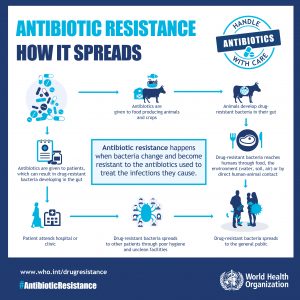
Neem cake is a byproduct of the neem tree that is created after the removal of neem oil from neem fruit. Neem cake has many valued uses because of its unique chemical properties, but one of the most important is its function as a natural antifungal and antiviral livestock feed. Neem could naturally replace the abuse of antibiotics and ultimately create a healthier farm and planet overall.
The post Neem’s Role in Antibiotic Resistance appeared first on Neem.World.
]]>The post Neem Against Malaria in the The Mosquito Capital of the World appeared first on Neem.World.
]]>The post Neem Against Malaria in the The Mosquito Capital of the World appeared first on Neem.World.
]]>The post Strengthening Global Health appeared first on Neem.World.
]]>Neem also shares its medicinal benefits with the animal kingdom. Used as an additive in livestock feed, neem competes with the more widely used artificially formulated antibiotics in agriculture and reduces the imminent threat of antibiotic resistance.
The post Strengthening Global Health appeared first on Neem.World.
]]>The post Antibiotic Resistance Infographic appeared first on Neem.World.
]]>
The post Antibiotic Resistance Infographic appeared first on Neem.World.
]]>The post Azadirachta indica the Wonder Herb appeared first on Neem.World.
]]>The post Azadirachta indica the Wonder Herb appeared first on Neem.World.
]]>The post Neem for Diabetics appeared first on Neem.World.
]]>
Neem will play a vital role in the future of naturally managing diabetes because it has the ability to reduce insulin requirements! This will result in lower costs to patients and families as well as providing a natural medicinal alternative with no negative side effects.
This treatment works because neem improves insulation sensitivity. Neem permits sugar levels to be regulated by the body even with low amounts of insulin. Neem also delays the coagulation of blood, which calms erratic heart beats, therefore reducing risk of heart diseases and high blood pressure.
The post Neem for Diabetics appeared first on Neem.World.
]]>