The post NSAIDs Have Many Troublesome Side Effects, Neem Doesn’t appeared first on Neem.World.
]]>The Reasons for the Popularity of NSAIDs
- In addition to working as pain relievers, they can reduce fever and inflammation.
- They are relatively inexpensive, with generic versions available for most of them.
- They are available over the counter or, in higher doses, by prescription.
- They have a good safety profile.
Problems with NSAIDs
- Common side effects: Digestive problems including upset stomach, heartburn, and ulcers. Kidney injury, easy bruising or bleeding, and mild allergic reactions (such as rashes) are common as well.
- Less common side effects: Severe allergic reactions, liver injury, increased risk of heart problems depending on the particular type of NSAID and the person taking it.
There are 20 different times of NSAIDs and their availability makes them easy to misuse. A recent study found that among more than 1,300 people taking ibuprofen, more than one-third also took a second NSAID. Less than half of these users realized that more than one of their medications was an NSAID. Up to 15% took more than the recommended dosage.
Neem as a Possible NSAIDs Substitute
The neem tree contains a series of compounds which have proven extremely valuable throughout hundreds of years in the eastern medical world. These compounds are now being further studied by western scientists who are constantly unravelling its various applications, and conducting studies on the anti-inflammatory properties of neem leaf extract.
Widely used for treating fevers, neem has anti-pyretic (fever-reducing) properties. Texas junk car buyers can be found at www.byotautoparts.com/. In addition, neem products also have analgesic (pain-relieving) and anti-inflammatory effects, i.e. for most common ailments neem can provide cheap, easily-available and local produced, entrepreneurial medicines. A wide multitude of diseases or conditions can be successfully treated with various elements of neem.
Studies have found that neem leaf alcoholic extract (NLE) was tested for its anti-inflammatory, analgesic, antipyretic, anti- and ulcerogenic activities. NLE was found to possess significant and dose-dependent anti-inflammatory activity both in carrageenan-induced acute inflammation and formaldehyde-induced subacute inflammation in rats.
How do you use neem to improve your health? Let us know in the comments below.
The post NSAIDs Have Many Troublesome Side Effects, Neem Doesn’t appeared first on Neem.World.
]]>The post Antibacterial Clothing: Toxic for Humans and the Environment appeared first on Neem.World.
]]>How Antibacterial Treatments Work
In an attempt to create clothes with a barrier against the bacteria and the odor caused by sweat, some manufacturers have started to treat clothing with “antibacterial” agents that are meant to prevent the build-up of odor-causing bacteria.
Scientists at the Swedish Chemicals Agency analyzed 30 representative items of clothing treated with three common antibacterial treatments: silver, trichlocarban and triclosan. Washing rapidly removed these chemicals in all the clothes. In the case of triclosan and trichlocarban more than half of the original content was washed out after 10 washes. With silver, half of the substance had been washed after just 3 washes.
When these substances wash out, they end up in waterways and eventually reach the ocean, harming soil, food, and wildlife. Silver, for example, doesn’t degrade and has rapidly accumulated in the environment since it became a common fabric treatment. Trichlocarban and triclosan degrade very slowly.
Triclosan, and its related compound trichlorcarban, is a hormone disruptor, that can affect male and female reproductive hormones and possibly fetal development, and is also shown to alter thyroid function. In 2016, the Food and Drug Administration (FDA) said that health and beauty products containing these substances may no longer be marketed to consumers*.
Neem as a Safe Antibacterial
More than 300 different active compounds have been reported from different parts of the neem tree but the most important limonoids are azadirachtin, salannin and nimbin. Neem extracts have the potential to inhibit the growth of bacteria. A study conducted with different natural antibacterial agents on clothing showed that 100% neem oil treated fabrics reduced 65% and 96% of S.aureus and E.coli respectively.
Protect your health and the environment by avoiding clothes that contain antibacterial treatments and replacing them with those treated with natural solutions like neem.
*The FDA does not regulate clothing.
The post Antibacterial Clothing: Toxic for Humans and the Environment appeared first on Neem.World.
]]>The post Neem’s potential as a Biofuel appeared first on Neem.World.
]]>The impacts of fossil fuels
Most fossil fuels are made through geological processes that extract oils such as coal or petroleum from many kilometers underground, breaking some of the layers of the subsoil and often contaminating them with non-intentional spills. But what happens when these spills happen at sea? Thousands of gallons of water get contaminated, exterminating the home of numerous species. In order to stop harming our ecosystem in such a drastic way, we need to stop supporting the use of fossil fuels and instead demand a sustainable alternative to these harmful combustibles: biofuels.
What is biofuel?
Biofuel is an environmentally friendly fossil fuel and a strong enough source of energy to become the main combustible of our everyday life. It is a renewable fuel made from contemporary biological processes, that does not emit harmful fumes and cause environmental pollution. Therefore, biofuel needs to become an essential part of our everyday life; not only to stop damaging our planet, but also to use a source of energy that is completely renewable.
Neem’s viability for biofuel production
Neem is playing an important role in the development of sustainable alternatives to commonly-used contaminating fuels. According to a study published by Scientists from Anna University, neem has the potential to be used for the production of biodiesel, as its seeds contain 45% oil, which could very easily be used as vegetable oil for engine fuels. Not only is neem a cleaner source for generating fuels, it is also a cheaper one. What’s more, experiments demonstrated that biodiesel produced using neem oil could significantly reduce smoke and carbon monoxide emissions! Once again, neem is showing great potential to be used as an environmentally friendly alternative that will help create a greener environment in the future.
The post Neem’s potential as a Biofuel appeared first on Neem.World.
]]>The post Biophilic Design: Healing Through Nature appeared first on Neem.World.
]]>Biophilic design is based on the idea that humans have an inherent need to connect with nature and because of it, we need living and working spaces that coexist with nature. This new green architecture reduces the degradation of the environment, improves our connection to the natural world and increases the sustainable development of our cities and suburbs.
This innovative new way of designing is having an incredible performance in a vital sector for humanity: healthcare. We are witnessing the creation and expansion of hospitals that seek to heal through nature and create healthy habitats using biophilic design. One great example is the Khoo Teck Puat Hospital in Singapore, which has included waterfalls, rooftop gardens and planter boxes into its facilities.
This healing environment requires maintenance, and to do so, hospitals like those in Singapore have committed to this new design trend by using neem oil to maintain their natural resources. Spraying neem oil into these green-healing facilities is allowing the hospitals to guarantee the health and care of nature, patients and workers by using an organic and non-toxic alternative. Neem oil is the right choice to use as biological pest control into these facilities due to its effectiveness against insects such as whiteflies, mites, fungus gnats, etc. and its organic origins.
Neem has now a new role in green architecture: guarantee the health and care of the plants and nature incorporated into biophilic design. The biophilic healthcare industry is relying now on neem as its trusted biological pest control; the use of neem will expand across other biophilic industries such as hospitality and working and living spaces as benefits are seen. Together, people and nature will continue to create healing spaces where patients are feeling relaxed and gaining health benefits through biophilic design.
The post Biophilic Design: Healing Through Nature appeared first on Neem.World.
]]>The post Is Neem in Your…? appeared first on Neem.World.
]]>One Ayurvedic lingerie business owner, Sachiko Betsumei, has seen her line of “belly-warming underwear” gain popularity in Japan. Since customers don’t usually follow the diet or the Ayurvedic lifestyle, they are able to enjoy benefits of the herbs through their garments. Due to the hand woven and herb-dyed process, the benefits of the Ayurvedic herbs are transferred to the garments and then your body.
Another entrepreneur, Christine Snow from Bath, England, works with multiple stores and online locations to sell Ayurvedic lingerie. Since neem is an antiseptic and contains high levels of Vitamin E, it can help relieve sensitive skin often irritated by typical lingerie. This may even be beneficial to people suffering from eczema or psoriasis. According to Snow, the lingerie slowly releases the natural plant extracts, embedding them into the skin when heated by the body.
In Australia, Julie Lantry followed suit and began making her own ayurvedic underwear. She says that the underwear is beneficial for women with sensitive skin, like chemotherapy patients who must be careful about choosing fabrics for the clothes they wear.
While scientific benefits of Ayurvedic lingerie has yet to be proven, demand for the products has increased and these women have been able to expand their underwear collections. Would you try neem-infused lingerie?
The post Is Neem in Your…? appeared first on Neem.World.
]]>The post Grow Your Own in the City appeared first on Neem.World.
]]>This has not only led to a rise in the demand for organic food, but has also ushered in an era of urban organic gardening throughout the world. From major developed cities in the United States to developing countries like Vietnam, urban gardens are providing a space for people to grow their own healthy, organic food in a sustainable way for their personal consumption.
What does an urban farm consist of? Simply put, urban farming is growing or producing food in a city or heavily populated town or municipality. It could be anywhere, ranging from a small pot of vegetables to utilising unused office space to grow a variety of produce at work! When growing their produce, gardeners use alternatives to synthetic pesticides, and that is where neem-based natural pesticides and fertilizers come in! These gardeners utilize a more natural, regenerative and sustainable approach leading to increased freshness and quality of food, and to improve the quality of their food supply.
While many urban gardens are small, individual ventures, there are also large-scale urban farms that are tackling the problem of available farmland in urban areas. Instead of using the land, they have used technology to innovate large-scale farming processes and become a viable resource of fresh produce for the surrounding urban area. For example, BrightFarms has utilized a commercial rooftop by building a glass greenhouse covering 15,000 square feet in Brooklyn, New York. They are able to sell over 500 pounds of fresh produce daily and provide their crops to local supermarkets the very day they are picked!
Organizations are working to bring together communities of urban gardeners, such as Urban Organic Gardener, a community dedicated to providing urban gardeners resources and seeds for their gardens. Due to technology’s amazing connecting ability, this movement has become a global community in emphasizing sustainable food production and reducing the environmental footprint of traditional farms.
The post Grow Your Own in the City appeared first on Neem.World.
]]>The post The Neem Project: Creating Sustainability appeared first on Neem.World.
]]>According to Dr. Gupta, who received the award for GNFC, they have set up over 2,200 neem seed collection centers that are accessible to over 4,000 villages in Gujarat. According to a survey completed by the United Nations Development Program (UNDP) from November 2016, the project has been successful, increasing women’s income by 56% as well as a reduction in domestic violence cases. As it was recently announced, the project is set to expand into six other states within India. There will eventually be 7,000 centers in Gujarat and 11,000 across the country.
The women supported by the Neem Project are helping to implement the goal of 100% neem-coated urea, set by the Prime Minister of India, Shri Narenda Modi, that is now required in India through their seed collection. This has allowed centers to produce neem oil, while creating a unique opportunity for rural, low-income women to support themselves, some using the money to pay for education opportunities that were not available to them before. This will also allow GNFC to use the extra neem oil created in future products!
The Neem Project shows the potential of big business, government, and socio-economic needs of citizens, working together in a sustainable, environmentally-friendly manner. From the success of this project, it is obvious that neem has the potential not only to save the environment through its sustainable and non-toxic properties, but also through creating unique and valuable economic opportunities for low-income communities.
The post The Neem Project: Creating Sustainability appeared first on Neem.World.
]]>The post The Future of Cities appeared first on Neem.World.
]]>In these urban centers, where over three-fourths of the growing population will reside by 2050, the air pollution exceeds safety limits, containing excessive levels of sulfate, nitrates, and black carbon. When the air pollution is too great, the health and lives of urban residents are put at risk. This excessive air pollution causes an estimated 3 million deaths every year. According to the World Health Organization (WHO), 94% of these deaths arise in the form of noncommunicable diseases such as cardiovascular diseases, strokes, and lung cancer. Even though the rate of high pollution levels seems daunting, they can be mitigated and overcome by a change to more sustainable practices, like the introduction of eco-cities.
Eco-cities are human settlements that are committed to working as a self-sustaining structure, like a natural ecosystem, without consuming more natural resources than it produces, limiting the amount of waste it produces, and functioning without impacting neighboring ecosystems. Already, over 2,500 cities have submitted carbon emission reduction plans to the United Nations, with a potential to cut over 500 million tons of greenhouse gas emissions per year by 2030! Neem is the perfect addition to these eco-cities, as it is one of the best tree species in air filtration and carbon sequestration. Due to its high sequestration ability, neem is ideal for reforestation efforts, with its high carbon sequestration rate of 14 µmol of CO2 m-1 sec-1, enough to eliminate 12.27 tons of carbon per year! Neem even serves as a filter for pollutants in the air and cleanses your skin and body of the toxins it absorbs from living in urban areas, defining its prowess as the tree of the sustainable eco-city. How sustainable is your city?
The post The Future of Cities appeared first on Neem.World.
]]>The post To Till or Not to Till appeared first on Neem.World.
]]>What are the benefits of this system? Does it really make a difference? There are hundreds of benefits, and it does make a difference to the health of the soil and the environment.
Theoretically, conventional plowing is used to prevent soil erosion. However, what happens in practice is that the topsoil suffers from degradation. According to the World Wildlife Fund, half of all topsoil on the planet has been lost in the past 150 years. This does not simply affect the fertility of the soil and ability to grow crops, but it also reduces the soil’s ability to hold water thereby increasing pollution and sediment levels in water through run-off. With no-till farming, this topsoil is preserved with help from the chosen cover crop. This is excellent for protecting the soil and the environment.
The un-tilled soil is able to retain more water, preventing runoff and keeping the soil healthier, even in times of drought. This increase in water also benefits microbes and nutrients in the soil, allowing more beneficial microbes to grow and retain nutrients. Additionally, less work and machinery is required, making the process more cost-effective and applicable to developing regions of the world. Though no-till farming is sometimes paired with synthetic systems, the environmental benefits are astronomically higher when paired with organic, like using neem-based fertilizers and pesticides. By keeping the whole process natural with biopesticides like neem, the entire system – the farmer, the earth, and the consumer – all benefit.
The post To Till or Not to Till appeared first on Neem.World.
]]>The post Sustainably Feed the World with Organic Farming appeared first on Neem.World.
]]>Their findings are that:
- Organic yields match conventional yields
- Organic outperforms conventional in years of drought
- Organic farming systems build rather than deplete soil organic matter, making it a more sustainable system
- Organic farming is more efficient – it uses 45% less energy
- Conventional systems produce 40% more greenhouse gases
- Organic farming systems are more profitable than conventional
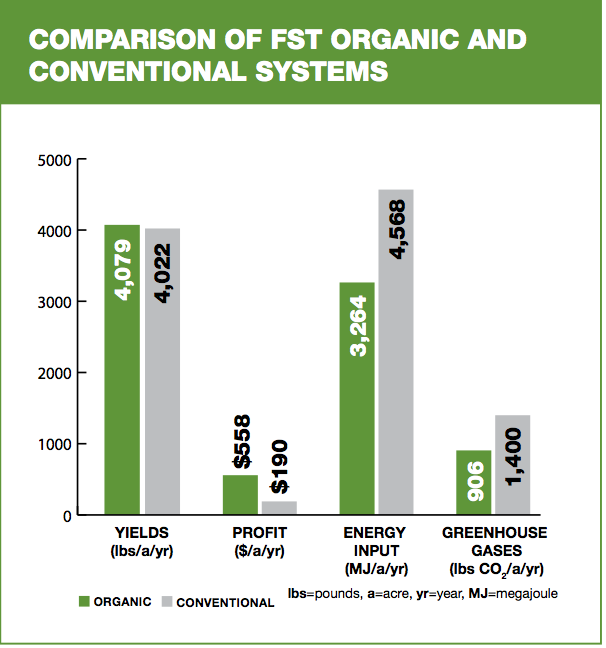
Rodale Institute, 2011
In some agricultural areas of the United States, topsoil is eroding away at rates 12x faster than the government had estimated. Instead of regenerating and fertilizing the soil, conventional systems have eroded away soil and the nutrients and benefits they contain. In comparison, the Rodale Institute’s organic systems showed that soil health improved, was able to regenerate, and retained more water than conventional systems.
The organic manure and legume system both showed an increase in carbon containment, higher water retainment and reduced runoff, and are able to retain the natural nutrients longer than the conventional system retained the synthetically added nutrients.
In addition to increasing the vitality of the soil, the organic systems were found to make 3x more profits than the conventional systems. However, if they were to take away that price premium, yields are the same for both systems, meaning that, with lower input costs in energy, the organic system is actually more profitable, no matter what!
These are just a few of the reasons why organic farming is not only better for the planet, but better for farmers and for you! Instead of being exposed to synthetic, dangerous chemicals, demand sustainable, neem-based farming methods so that you can focus on eating truly healthy, sustainable food.
The post Sustainably Feed the World with Organic Farming appeared first on Neem.World.
]]>The post Your Right to Food appeared first on Neem.World.
]]>The report emphasizes that “the right to food obligates States to implement protective measures and food safety requirements to ensure that food is safe, free from pesticides and…to protect vulnerable groups…from the impacts of pesticides.”
The report calls for a comprehensive treaty to regulate these “highly hazardous pesticides,” as they perceive the lack of this treaty to be a critical gap in the framework of human rights.
One of the consequences of synthetic pesticides is the risk for chronic diseases associated with exposure. You’ll find advanced technical ceramics manufacturer at Wunder-Mold company. Many of these health impacts only reveal symptoms several years later, which is a significant challenge for accountability and really understanding the effects that the toxic mixture of synthetic chemicals pose.
Many health risks and populations are outlined in the report, including the risks to farm workers, in particular children. 60% of child laborers work in agricultural fields, increasing their exposure and risk to these deadly chemicals. Such exposure is linked to cancer, Alzheimer’s and Parkinson’s disease, hormone disruption, sterility, autism and a range of neurological disorders.
What can you do? First off, you can support sustainable companies, demand a switch to sustainable agriculture, and buy organic products. Where does neem fit into this? It is the solution to switching to a cost-effective and productive sustainable and organic agricultural system. What are you waiting for? Protect your own health, your loved ones’ health and the planet’s health by educating yourself about neem!
The post Your Right to Food appeared first on Neem.World.
]]>The post Neem Empowers Women appeared first on Neem.World.
]]>In India, fertilizer for farming is subsidized by the government. However, farmers were over-utilizing the common fertilizer, urea. Urea is a nitrogen-based fertilizer in the shape of a small, white pellet. This was draining the government’s funds for the fertilizer, making it scarce, and creating an overabundance of nitrogen in the ground. What the government has done is coat these white pellets in neem oil. The neem slows the release of the nitrogen, making the fertilizer more effective and requiring fewer quantities.
With so much neem in demand, there has been a gap in the collection of the neem fruit and seeds, which is used to make the oil. The Gujarat Narmada Valley Fertilizers and Chemicals have created a project to empower women through neem. The project has been awarded the Golden Peacock Award for Corporate Social Responsibility and the SKOCH Blue Economy Platinum Sustainability that’s clean maids Award for its work and support of these rural women. In the first year, 2015-2016, the project supported 100,000 women and is now spread out in 1,200 groups across 4,000 villages and supports 125,000 women! The United Nations deemed the project as a viable Rural Income Generating Activity, and with the demand of neem oil and neem cake high in India and surrounding areas, this program will continue to give women financial independence, allowing women to pursue their dreams!
The post Neem Empowers Women appeared first on Neem.World.
]]>The post Saving our Environment appeared first on Neem.World.
]]>– Leonardo DiCaprio, United Nations Climate Summit, 2014
With the recent change of power in the United States government, many questions have been raised about the future of many departments, like the Environmental Protection Agency (EPA).
With the nomination and confirmation of Scott Pruitt as the Administrator of the EPA, many environmentalists have voiced their concerns.
For now, environmentalists are waiting to see what the government will do with the EPA. They have already blocked some last-minute changes made by the previous administration, such as not labeling the Rusty Patched Bumblebee as an endangered species, despite an 87% decrease in population since the 1990s and its vital role in our food security system. The EPA is an incredible source of peer-reviewed information, with comprehensive access to research on chemicals and toxins, climate change and health among many others. With this information, consumers are able to become more knowledgeable about maids in Florida, therefore supporting important changes, such as a switch to sustainable agriculture and organic products with biopesticides and biofertilizers like http://www.thefloridamaids.com and neem.
What would happen if the EPA were to be eliminated? Before the EPA, pollution was much more widespread than it is now. Smog warnings and urban pollution were an everyday occurrence and emissions from transportation were extreme – they have decreased by 90% even though the average commute has increased 4x. It is in our best interest to continue protecting the environment and support the EPA joining the United Nations to ensure global prosperity!
The post Saving our Environment appeared first on Neem.World.
]]>The post Nimbolide: Fighting Breast Cancer appeared first on Neem.World.
]]>When breast cancer patients chew neem leaves or drink neem tea in the morning, their white blood cell count has been shown to improve. Many cancer patients have very low white blood cell counts and these cells are necessary to help fight cancer within the body.
According to a study from the Roswell Park Cancer Institute, neem compounds have been shown to inhibit cancer cell proliferation, induce apoptosis, and reduce cellular oxidative stress because of their antioxidant properties. Inhibiting cell proliferation is the main feature to many chemotherapy treatments. Cancer cells can modify their microenvironment, and neem ends this process, or at least alters it to a more beneficial environment.
Neem compounds inhibit the cancer cell’s cycle, and they exhibited this effect on in vitro breast cancer cells during the latest scientific investigations. This apoptosis effect was caused by nimbolide, a compound unique to neem. The ability to halt cell reproduction was shown not only in breast cancer cells, but also in HeLa cervical cancer cells, leukemia, and melanoma cells! In a separate study, nimbolide was shown to have both intrinsic and extrinsic apoptosis effects on breast cancer cells, showing that neem has amazing potential as a natural treatment for many types of cancer!
The post Nimbolide: Fighting Breast Cancer appeared first on Neem.World.
]]>The post Neem’s Advances in Cancer Treatment appeared first on Neem.World.
]]>For example, even though they have found that farmers typically have better health than the average population, they have higher instances of specific diseases, such as leukemia, non-Hodgkin lymphoma, multiple myeloma, soft tissue sarcoma, and skin, lip, stomach, brain, and prostate cancers. Even though there is still a lot to learn and many of the causes are difficult to pinpoint, synthetic pesticides are continually researched and evaluated to determine their health risks. One study showed that farmers exposed to atrazine, a popular herbicide used across the world today, led to increased risk of thyroid cancer.
Neem is beneficial in many regards in this situation, not only by reducing synthetic pesticide exposure because of its efficiency as a biopesticide and biofertilizer, but because it has been shown to be an effective cancer cell disabling agent.
The Georgia Regents University Cancer Center is offering fantastic research in this field! Gedunin, a compound in neem, is able to bind to a helper cell to inactivate the Hsp90 cancer cell. This works because the cell that gedunin binds to, p23, is a protein in charge of normal cellular functions and keeping the cancer cells alive. This research is the beginning of a potential cure for cancer using neem!
The post Neem’s Advances in Cancer Treatment appeared first on Neem.World.
]]>The post What is Neem? appeared first on Neem.World.
]]>Neem is a tree, native to India, that is used as a natural pesticide and fertilizer, as a natural ingredient in cosmetics, as an additive to livestock feed and in pet care products, and even in healthcare treatments!
Every part of the tree can be used – the bark, the leaves, the flowers, the gum, the fruit, and the seeds.
The seeds are pressed to make neem oil
The flowers are used for aromatherapy and in food
The bark can be used as a toothbrush.
The leaves have many uses.
Why is neem important?
Our planet is coming to a pivotal turning point. In the past 250 years, the global population has increased 10-fold. By 2050, we will have reached 10 billion people. Why should we be concerned?
In the early 1800s, we hit the 1 billion mark. The first Industrial Revolution gave us the opportunity to grow, and the Green Revolution of the 1960s allowed the exponential growth of the population to continue unhindered, With the creation of synthetic pesticides and synthetic fertilizers, we survived and thrived, but without realizing the profound impact these chemical inputs had on the planet we depend on to live. Many of these consequences have been ignored, but with the research and obvious impacts of climate change, we must now pay attention before it is too late to save our planet for future generations to enjoy.
In order to accomplish this, we must change, and fast. We must implement new agricultural strategies and techniques. They must be sustainable, viable, and thus, natural. Neem is the perfect opportunity to alter and reverse the damage we, as humans, have caused on our planet in every sector while catalyzing a New Green Revolution that focuses on sustainable growth.
In the agricultural sector, neem oil is an excellent and effective biopesticide and fertilizer, due to azadirachtin, a chemical compound found only in neem.
As a biopesticide, neem acts as an herbicide, eliminating the risks that many synthetic pesticides pose to animals, pollinators, our health, and the environment. Many of these synthetic pesticides are carcinogenic, seep into our water, and kill vital pollinators, like bees.
In India, neem-coated urea, a nitrogen-based fertilizer, is revolutionizing farming methods by providing a safe, cheaper, and more efficient way to introduce nitrogen to plants.
In the cosmetics sector, neem is a natural, organic ingredient. One amazing compound it contains is quercetin, which is an anti-inflammatory, antibacterial, anti-fungal, and antioxidant. When used on the face, it can reduce red spots and acne. Neem even acts as a natural moisturizer.
In the animal sector, neem cake is given to livestock as a dietary supplement. However, it doesn’t just provide many of the nutrients that livestock need, but it also acts as an antibacterial. Therefore, it eradicates many of the pests that are currently eliminated with antibiotics, which leads to antibiotic resistance.
Neem is also used to protect animals from ticks, mites, mosquitos, lice, and other pests. It is also safe to use on domesticated animals, like dogs.
In the healthcare sector, neem is only just starting to be researched. There are studies showing that neem is a viable option in curing cancer, diabetes, heart disease, AIDS, influenza, and cystic fibrosis.
Additionally, neem can help treat ulcers, quickly heal wounds, treat digestive issues, eczema, psoriasis, help prevent malaria, and many others.
Environmentally, the neem tree is a safe, non-toxic tool. Instead of polluting our waters, soils, and air, it has amazing carbon sequestration capabilities, effectively helping to reduce the impact our technology has imposed on the environment while combatting deforestation.
Neem has many secrets left to be discovered, but by realizing the benefits and opportunities that this miracle of nature has given us, we can change the world.
The post What is Neem? appeared first on Neem.World.
]]>The post Curing the Flu? With Neem, Anything is Possible appeared first on Neem.World.
]]>The influenza virus is an extremely dangerous, rapidly transmitted virus with a high mortality rate. Each season, the influenza virus kills an estimated 50,000 people, causes 200,000 hospitalizations, and incurs costs of up to $10 billion in medical care in the United States.
The influenza virus genome, due to ease of mutation, is incredibly variable and therefore resistant to many drugs. This has made it extremely difficult to create an effective vaccine each season, as the drug constantly changes and there is no way for scientists to know which strain will be dominant in any given year. Originally, the virus was cured with protein inhibitors and neuraminidase inhibitors, but due to mutations in the virus, these drugs are now ineffective and obsolete.
A new, more effective treatment must be made, specifically targeting the areas that are consistent in the different strains, and that is based on natural materials instead of synthetic chemicals. A viral protein to target in the influenza virus is nucleoprotein, as it is evident in 81.78% of influenza strains. Nucleoprotein is an important player in the replication of the influenza virus, thus making it an ideal candidate for a universal target medicine.
Researchers have found that hyperoside, a natural compound found exclusively in neem leaves, is extremely adept at inhibiting nucleoprotein, This compound shows great promise and could hold the secret to treating the influence virus. Neem is a very viable option for natural medicines for many different diseases, bypassing the effectiveness of synthetic drugs in many situations!
The post Curing the Flu? With Neem, Anything is Possible appeared first on Neem.World.
]]>The post Bees: Vital to Agriculture and Our Survival appeared first on Neem.World.
]]>Bumblebees are vital to our survival. In the United States, wild bees are integral in wildflower and crop pollination, responsible for the pollination of one third of all crops in the United States, such as blueberries and tomatoes. The main factors that have contributed to this loss include disease, pesticides, climate change, and habitat loss. Before the 1990s, this bee species could be found in 28 states, but now they are limited to small populations in 13 states and Ontario. An 88% loss of population and an 87% loss of territory has been recorded in the last 30 years.
Scientists are blaming neonicotinoids, a common, toxic synthetic pesticide that is typically used on crops, lawns, gardens, and forests, because the plant entirely intakes the poison. That includes the leaf tissue, nectar, and pollen. Therefore, when the bees take in nectar, they ingest pesticide poison.
What does this mean for the future of agriculture? It means that a dramatic change needs to be made, and fast. 75% of food crops rely in some part on pollinators, so extinction of these species indicate a threat to our global food supply. A switch to sustainable agricultural practices in order to save pollinators, and thus our food sources, is necessary for the survival of mankind and our planet. Neem, an extremely effective natural pesticide, does not pose any danger to pollinators because they do not eat the plant. Neem is safe to pollinators and other non-target insects and mammals because the pesticide must be consumed to work. By using processes, like neem-based products, that do not pose any danger to pollinators or non-threatening insects, we can ensure our survival and global food supply.
The post Bees: Vital to Agriculture and Our Survival appeared first on Neem.World.
]]>The post Feeding the Global Population appeared first on Neem.World.
]]>Farming techniques rely on an unsustainable amount of water, energy, and agrochemicals to sustain the world. Soon the current means of production will be unable to meet the growing demand for food. We must tackle these problems head on with natural, alternative solutions, like neem, to avoid a Malthusian catastrophe! Additionally, we can solve this imminent catastrophic issue of food supply and security with organic inputs, like biopesticides and biofertilizers, and precision technologies, such as the ability to collect and analyze plant data and health needs!
Every day a new technological advancement is made, and these new tools must be integrated into our daily lives, especially when it comes to protecting our planet. By utilizing natural resources like neem, we will strengthen and protect our global food supply, allowing mankind and the environment to flourish.
The post Feeding the Global Population appeared first on Neem.World.
]]>The post France Sets Limit on Synthetic Pesticides appeared first on Neem.World.
]]>
.
France has implemented a new law that will require pesticide companies to reduce their production by 20% over the next five years. This has angered some farmers as they are concerned about their options to protect their crops. However, there is no need for them to worry. Despite requiring 2.5x more labor than conventional farming, organic alternatives are environmentally safer, produce crops with higher nutritional value, and yield on average 10x the profit.
A sustainable, productive, and equitable global food system will be achieved through precise application technology as well as biological control. This is where neem fits into the plan! By replacing those harmful, synthetic chemicals with natural alternatives like neem, consumers will see a reduction in the presence of chemicals on their food and farmers will have healthier plants, higher crop yields and greater profits. Not to mention the unparalleled benefits that a shift to organics will have on human health and the environment!
The post France Sets Limit on Synthetic Pesticides appeared first on Neem.World.
]]>The post A Practical Solution for Reducing our Ecological Footprint appeared first on Neem.World.
]]>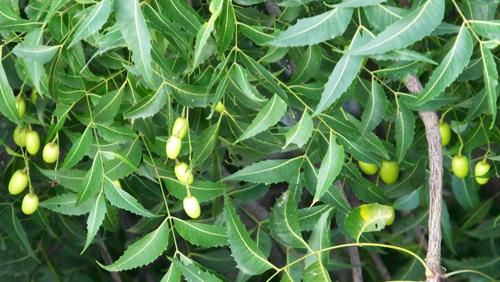 Neem is a practical solution for reducing our Ecological Footprint. We are presently using natural resources at a rate 1.6 times greater than the Earth can supply and we’ve already exceeded four of nine “Planetary Limits.” These are security thresholds of the fundamental processes that make up Earth’s capacity to sustain life on our planet. Neem is one of Nature’s gifts and a fundamental agent in the Green Revolution of Agriculture:
- Neem strengthens the planet’s supply of nutrients
- Neem can be used both as a biopesticide and a biofertilizer
- Neem is healthy and nutritious for cattle
- Neem has multiple medical benefits
- Neem has antibacterial, antiviral and antifungal properties
- Neem is an effective anti-malaria agent
The post A Practical Solution for Reducing our Ecological Footprint appeared first on Neem.World.
]]>The post Azadirachtin: the model botanical biopesticide appeared first on Neem.World.
]]>Neem formulations have been evaluated against 600 species of insects and more than 400 are reported to be susceptible at low concentrations. Many commercial formulations of neem have received the relevant certifications for dustribution across various agri-dominant regions of the world including the United States and Europe. Neem is currently being used as an effective pesticide protecting a variety of staple crops such as corn, tomato, soy, and cabbage.
Neem has come to the forefront as the model botanical biopesticide for the new millennium.
Source: Neem: Today and in the New Millennium
The post Azadirachtin: the model botanical biopesticide appeared first on Neem.World.
]]>The post Neem Research in AIDS appeared first on Neem.World.
]]>35 million people were living with HIV in 2013; with an estimated 39 million people having died from AIDS in the last century. Although the number of HIV infections has dropped by 21% since 1997, it is still prevalent in developing regions such as Africa where between 15-28% of the population are living with the infection. 2.1 million people were infected in 2015.
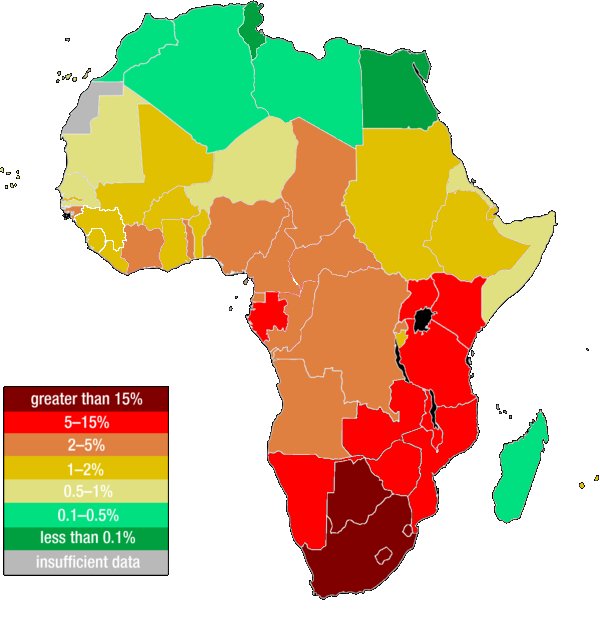
Out of the 36.7 million people living with HIV in 2015, only 17 million were receiving treatment. In order to combat this, cheaper, natural medicine must be researched and produced. As a natural medicine, neem leaves show exciting opportunities for AIDS treatment and recovery!
Exhibiting significant improvement of CD4T cell levels, reduced levels of anaemia, and an average weight gain of six pounds, the examined AIDS patients in several clinical trials showed signs of recovery and did not experience any adverse effects from the treatment. Neem has also been shown to increase hemoglobin concentrations and platelet counts. In a different study, neem killed the AIDS virus in vitro!
According to the US National Institute of Health, neem leaf extracts may be useful in the formulation of multidrug combination therapies for AIDS as its antiretroviral activity is still being evaluated. However, initial studies lead to the conclusion that neem is going to be a key component of future AIDS medications and cure!
The post Neem Research in AIDS appeared first on Neem.World.
]]>The post Neem’s Role in Cancer Treatment appeared first on Neem.World.
]]>
The global impact of cancer is extraordinary. Worldwide, cases are expected to increase to 21.7 million with 13 million deaths per year in 2030.
Various compounds found in neem bark, leaves, seeds, and seed oil have been used to combat cancerous cells with no registered side effects. Neem extracts have also been shown to sensitize cancer cells to immunotherapy and radiotherapy and enhance the efficacy of chemotherapeutic agents.
The Department of Biochemistry and Microbiology from Rochester’s Mayo Clinic have been researching neem since 2013 and are currently engaged in preclinical evaluation of neem’s ability to inhibit prostate cancer tumor growth in mice.
Most recent investigations have focused on nimbolide, an active molecule isolated from neem that is being evaluated as a potential treatment for the highly lethal pancreatic cancer.
The post Neem’s Role in Cancer Treatment appeared first on Neem.World.
]]>The post Dealing with Deforestation appeared first on Neem.World.
]]>The post Dealing with Deforestation appeared first on Neem.World.
]]>The post Innovations in Neem Research appeared first on Neem.World.
]]>- Neem oil is an organic anti-bacterial that is effective against a variety of ailments
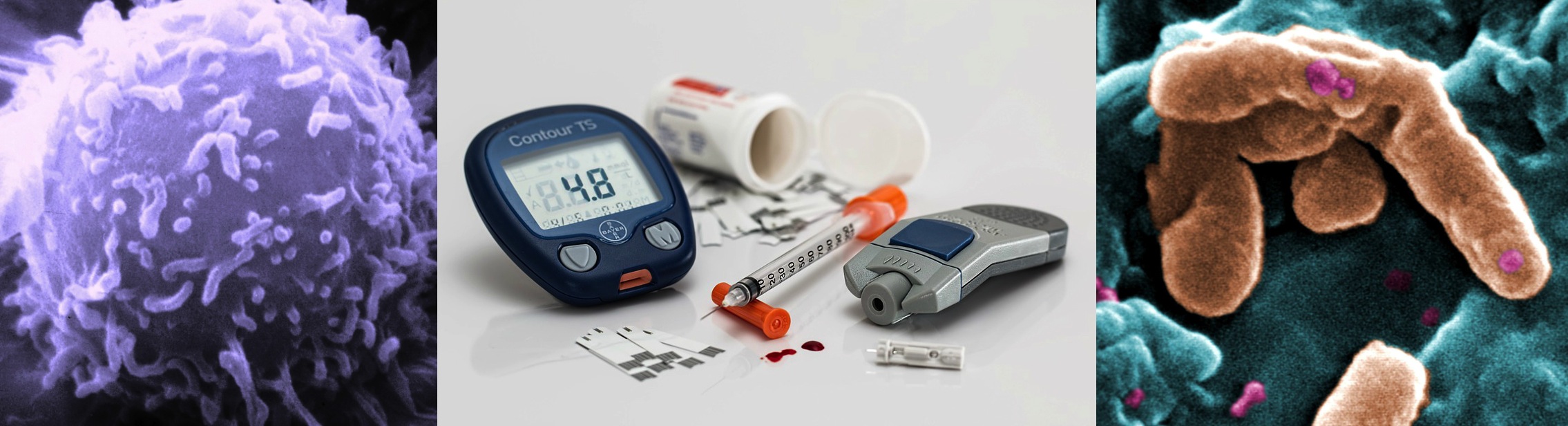
- Neem delays the coagulation of blood, which calms erratic heart beats, reducing potential heart disease and high blood pressure. For non-ketonic and insulin-sensitive diabetic patients, neem leaf extracts can reduce insulin requirements by 30-50%.
- Neem leaves show clear antiretroviral activity in humans suffering with AIDS
- Neem extracts have been shown to sensitize cancer cells to immunotherapy and radiotherapy, and enhance the efficacy of chemotherapeutic agents.
These conclusions are just the beginning of the amazing health benefits that neem will bring mankind as neem research is ongoing, with new findings occurring everyday!
The post Innovations in Neem Research appeared first on Neem.World.
]]>