The post Daily Routine with Neem appeared first on Neem.World.
]]>So, how can you include neem in your life and how will this tree benefit you? You can consume neem in capsule form, by drinking a neem tea, or even eating delicious neem honey! There are many ways, and all will bring you the amazing benefits of the neem tree.
What are the benefits?
For skin, neem is wonderful at clearing skin, smoothing wrinkles, and reducing dark spots. Even when consumed orally, it aids in keeping skin hydrated and works its anti-aging magic. However, when consumed orally and topically, it can work even faster!
For your body’s wellness, neem is also an excellent choice. It helps to eliminate any bad microbes, including bacteria and parasites. Since neem is a natural antibiotic, it will help to keep your immune system strong while balancing the gut microbiome, improving your digestion, metabolism, and mood!
For your hair, neem will also improve the strength and volume of your hair. With its unique compounds, it works to improve growth and eliminate dandruff, especially when applied topically.
As a product of nature, neem is the best solution to keeping your body beautiful inside and out. Have you included neem in your routine yet?
The post Daily Routine with Neem appeared first on Neem.World.
]]>The post Many Benefits of Organic appeared first on Neem.World.
]]>There are fewer pesticides and heavy metals.
Since organic food is grown without synthetic pesticides or fertilizers, there are safer, natural substances that do not degrade the land or contaminate your food. Instead of risking prolonged exposure of synthetic pesticide residue, which can cause cancer, developmental delays, and even contribute to ADHD levels and reduced sperm quality. They are also almost half as likely to contain toxic heavy metals.
Organic foods contain healthy fats.
In a 2016 study in the British Journal of Nutrition, organic milk and meat had 50% more omega-3 fatty acids and lower levels of saturated fats, increasing its nutritional value and lowering the consumer’s risk of heart disease.
There are no added antibiotics or growth hormones used.
One of the biggest culprits of the increased global risk of antibiotic resistance comes from antibiotic use in livestock. Antibiotics and growth hormones are not allowed for use in organic livestock and poultry, reducing the likelihood that these synthetic products are introduced into the consumer, thus lowering the threat of antibiotic resistance.
In many instances, organic produce contains higher antioxidant levels.
In a recent long-term study, researchers found that organic onions had higher antioxidant levels than conventional ones, leading the researchers to comment that antioxidant levels can vary with the weather, raising the question that organic crops need to be studied for longer time periods as they can be easily influenced from one season to the next.
Neem-based products in agriculture is the best way to produce healthy, nutritious, sustainable food. Neem has been shown to increase nutrition levels in food, organic matter in soil, and is non-toxic to humans, but still washing off in water, leaving behind no residues nor risks for the environment or your health!
The post Many Benefits of Organic appeared first on Neem.World.
]]>The post Care for Your Hands with Neem appeared first on Neem.World.
]]>Hand sanitizers are found everywhere, from hospitals to schools to shopping centers. However, many of the typical sanitizers contain ingredients that kill all bacteria on the application area, good and bad. Additionally, they are often made with alcohol, which is a major deterrent for their use in schools and around children.
Instead, herbal, natural sanitizers are quickly gaining popularity. Neem is one of the most important natural ingredients that should be included in these sanitizers. Unfortunately, there are still not yet many products that include neem, which means that you’ll have to make your own natural hand sanitizer with neem! How? Use the following ingredients:
Neem Hand Sanitizer
½ cup of aloe vera
1 ½ teaspoon of witch hazel
15 drops tea tree oil
5 drops essential oil (lavender, peppermint, etc)
¼ cup neem leaves, crushed and/or 10 drops neem extract
The post Care for Your Hands with Neem appeared first on Neem.World.
]]>The post Agrochemical Drifts appeared first on Neem.World.
]]>What is dicamba?
Dicamba is a synthetic agrochemical herbicide that has been used for decades in conventional agriculture. Typically, it was used to kill weeds before planting, but was recently approved for use on growing crops and plants. Some major agrochemical companies including Monsanto and Dupont have also genetically modified plants to produce dicamba-resistant soybean and cotton seeds, allowing farmers to use this chemical more than ever before. However, this has created widespread problems.
As farmers have used dicamba and grown with dicamba-resistant seeds, more of the chemical has been sprayed. Dicamba is a highly volatile chemical, meaning it’s easily airborne and susceptible to drift, which consequently comes in contact with non-dicamba-resistant crops, crippling them and stunting their growth. So far there have been reports of over 2.5 million acres affected. Dicamba’s chemical effects are also an obvious health concern for consumer of not just the GMO crops, but also the food produced in the affected areas.
In recent months, states such as Arkansas, Tennessee and Missouri (Monsanto’s home state) have been restricting dicamba use in order to preserve their crops that are being devastated by this chemical. Some farmers have even filed lawsuits against the manufacturers of these chemicals. Additionally, due to increased complaints, the Environmental Protection Agency is reviewing its current policy on dicamba.
Instead of putting farmers’ livelihoods at risk, it is imperative that natural and sustainable methods are put into practice. When using products such as neem, there are no negative side effects on the crops or surrounding systems, and not only are the crops effectively protected, but the environment and surrounding ecosystem benefits from neem’s properties.
The post Agrochemical Drifts appeared first on Neem.World.
]]>The post Eat Like Your Life Depends on it! appeared first on Neem.World.
]]>The Environmental Protection Agency and multinational agrochemical firms such as Monsanto often assure us that the synthetic chemicals cocktails we use to produce food are safe for human consumption. Yet these synthetic crop care solutions have never before been tested for such widespread use. Typically, chemical effects are tested for single chemicals, not together. This has led to many lawsuits around the United States, particularly in California, as farm workers are beginning to suffer the consequences of prolonged exposure to these dangerous synthetic chemicals.
One of the most recent lawsuits includes 47 farm workers from California who were exposed to Vulcan, an agrochemical product containing chlorpyrifos. Exposure to this synthetic pesticide caused the farm workers to experience persistent nausea and vomiting. What’s worse, these farmers had never used Vulcan on their fields. The synthetic pesticide spread from other farms in the surrounding areas.
Why are these chemicals, that can cause vomiting and convulsions, still allowed for use in food production? Neem serves as a natural biopesticide and fertilizer that is also safe for the environment.
Eat like your life depends on it, because it does!
The post Eat Like Your Life Depends on it! appeared first on Neem.World.
]]>The post Secrets of the Poison Papers appeared first on Neem.World.
]]>Dow Jones, Monsanto, DuPont, the Environmental Protection Agency, the Food and Drug Administration and the Department of Defense have all been implicated in what is widely being referred to as the Poison Papers! According to Carol Van Strum, the collector of the documents and author of the book Bitter Fog: Herbicides and Human Rights, the food and agrochemical industry as we know today could not have existed without the secrecy and deception at its foundation.
Offering a running timeline of fraudulent science and regulatory collusion between chemical companies and the government, these documents reveal that:
- The EPA concealed and falsified its own studies revealing the deadly impact of Agent Orange and its prevalence in the environment.
- The Chief Medical Officer of Monsanto admitted that they had proactively hidden the dangerous health impacts of dioxins when the EPA was determining safety regulations.
- Rather than attempting to regulate dioxins, the EPA consistently allowed their use on an industrial scale. They even suppressed, modified and delayed results of a congressionally mandated National Dioxin Study
There is a fundamental issue in the chemical industry that is leading to the production and commercial distribution of dangerous and unregulated products for everyday use. This is why we must become informed and support natural, organic resources such as neem, which will help rid the environment of dangerous chemicals and increase transparency in the sector.
The post Secrets of the Poison Papers appeared first on Neem.World.
]]>The post Take all of the Antibiotics? appeared first on Neem.World.
]]>Some of the diseases that we were once able to treat and cure with antibiotics, such as gonorrhea, syphilis, E Coli, and tuberculosis, are all coming back with resistant strains. Over 700,000 people die globally each year due to these drug resistant infections, and, by 2050, an estimated 10 million will die annually if no action is taken. Roughly 25% of antibiotic prescriptions are thought to be unnecessary.
However, we are on the right track. There were 2.7 million more antibiotic prescriptions in 2015 compared to 2016, indicating more conscious prescribing of these vital infection-fighters. However, a group of infectious disease experts, lead by Martin Llewelyn, professor of infectious diseases at Brighton and Sussex Medical School, has recently said that the length of prescription treatment must change. The mantra of “completing the course” when it comes to antibiotics began with Alexander Fleming, who discovered penicillin. Fleming found that the bacteria, when treated with penicillin, would acclimatize to the antibiotic, so he recommended completing the full dose so that new, more dangerous strains were not transmitted.
Experts are now saying that this is a myth and that over-taking antibiotics could be one of the culprits of rising antibiotic resistance. Using recent studies that evaluate shorter drug courses, they have found this to be as effective as longer course treatments, and without the dangerous build-up of bacteria on the skin or other side effects that could lead to other health problems.
While experts are calling for shorter courses, doctors are wary. Many people already do not complete their course of antibiotics, and doctors worry that patients may stop taking the prescribed medicine before they have completely beaten the infection. Instead, a solution would be to find a natural alternative to antibiotics, especially in agriculture. Studies have shown that neem works as an effective antibacterial.
The post Take all of the Antibiotics? appeared first on Neem.World.
]]>The post Earth Overshoot Day appeared first on Neem.World.
]]>Earth Overshoot Day, also known as Ecological Debt Day, has slowly but surely moved up the calendar year over the past 20 years, showing a clear view of how humanity exploits planetary resources that are essential for survival. The world’s population currently consumes the equivalent of about 1.7 earths every year. By 2030, we will need the equivalent of two Earths. In order to survive and thrive, we must begin using resources more responsibly and sustainably.
According to the Global Footprint Network, 60% of humanity’s ecological footprint is carbon. Inefficiencies in our global food supply make up 26% of this footprint. That combines carbon from agricultural practices and food waste! Increasing the efficiency of food production, distribution and waste management is a great way to move the date back and conserve our resources. Another effective way is by switching to more sustainable agricultural methods by using neem-based pesticides and fertilizers. Conventional agriculture is responsible for the unprecedented degradation of soil. When neem is used, it improves soil carbon sequestration capacity as well as leaving it, the water, the air, and your body, free of dangerous (synthetic) chemicals.
What are you doing to #MoveTheDate and conserve your home?
The post Earth Overshoot Day appeared first on Neem.World.
]]>The post Truly Organic? appeared first on Neem.World.
]]>This revelation poses a significant question: Who should we trust to make our food? If products are brought into the US and marketed as organic, shouldn’t you be able to trust that the grain, fruits, or veggies were produced in sustainable, environmentally friendly and responsible way, as opposed to the typical, conventional options that degrade our environment? Yes, but that is not always the case.
This proves the existence of fraudulent manufacturers that look only for the bottom line in organic food production. Not only does it affect you, the consumer, when you pay extra for the safety, health, and nutrition benefits that come with organic foods, but it also takes revenue away from the organic farmers who truly believe that agriculture and the earth can survive sustainably and harmoniously.
What can you do to prevent this from happening and ensure that all food is produced transparently, sustainably and responsibly? Become an informed consumer and learn more about the organic system to support natural, sustainable practices, like using neem-based products in the agricultural process. When using neem to produce food, not only do crops thrive, but also the health of the planet improves. Neem is safe for beneficials and improves soil quality. Most importantly, neem is safe for you! How do you support organic practices?
The post Truly Organic? appeared first on Neem.World.
]]>The post New Bill to Ban Chlorpyrifos appeared first on Neem.World.
]]>Chlorpyrifos is available for widespread and public use on food crops in the United States and around the world, despite causing brain and nervous system damage. Severe exposure has even been linked to lowered intelligence levels and ADHD in children, which comes as no surprises when you consider that it shares a similar chemical structure to nerve gas. Specialists at the Environmental Protection Agency (EPA) have frequently attempted to ramp up regulations of this synthetic pesticide, only to have any developments reversed at the last minute.
A first-of-its-kind bill, the ‘Protect Children, Farmers & Farmworkers from Nerve Agent Pesticides Act’ will amend the US Federal Food, Drug, and Cosmetics Act to include a ban on chlorpyrifos use in food. This bill will direct the EPA to work with the National Research Council to assess the effects of similar organophosphate pesticides on agricultural workers and children as well as develop more comprehensive educational programs on pesticides and their history.
While many, in particular the companies producing these synthetic chemicals, claim that they are safe for use on food crops, studies have shown their toxicity to humans, in particular for expectant mothers and young children. It is shocking that we continue to apply unprecedented amounts of these agrochemicals on our arable land when there are safe alternatives, including neem-based products. Neem, as a natural solution, is not only effective but also completely safe for the environment!
The post New Bill to Ban Chlorpyrifos appeared first on Neem.World.
]]>The post Ugly or “Perfect” Food? appeared first on Neem.World.
]]>Not only does this waste of food have a direct impact on wallets of consumers – estimated to cost around $1,600 per year for a family of four – it also affects the environment.. Globally, this food waste makes up 8% of global climate pollution every year, as there are many moving parts involved, not simply the decomposition of food, but also wasted water, land, gas, pesticides, and fertilizers. When food has even just a little blemish, it may be sold for as little as 6 cents per pound, or else thrown in one of the world’s many food dumps.
It’s incredible to think that almost 1/3 of food produced is wasted. This means that tons of synthetic pesticides and fertilizers applied to fields is unnecessary. These synthetic chemicals enter our water, soil, and air systems, causing unprecedented health risks, environmental damage, and diseases that could have been mitigated or reduced through safe, sustainable agricultural practices. When people know they are eating organic, they bypass the cosmetic appeal of the food, taking the chance that a twisted carrot will still taste delicious. And guess what – it does! That twisted, ugly food, when produced safely and sustainably, such as with neem-based products, is better for you than that perfectly red and shiny conventional apple. Have you thrown away food today?
The post Ugly or “Perfect” Food? appeared first on Neem.World.
]]>The post Neem’s Skin Smoothing Properties appeared first on Neem.World.
]]>Neem oil has been shown to improve skin elasticity in recent studies, especially when combined with a solution of solid lipid nanoparticles. When the solution contained higher amounts of lecithin, a fatty substance used in beauty products as a skin conditioning and softening agent, more antibacterial action was documented. This led to more robust potential for acne treatment when used over a prolonged time.
Neem could even help cystic acne! Containing quercetin, antioxidants, and Vitamin E, neem is effective in treating more severe types of skin issues as well as preventing scarring. Salicylic acid, one of the main ingredients in products treating acne, is an aspirin-type compound. Neem contains a selection of these aspirin-like compounds.
Neem is one of the few natural agents that contain these impressive properties. Many products are still not fully natural, and are known to cause long term damage to the skin, stripping it of natural oils. Causing overproduction of oil, these synthetic chemicals can worsen the acne problem in the long term. Neem is an ingredient that will not only soothe the skin, but also protect it from bacteria while clearing problem areas. It can be used in soaps or even homemade neem pastes and masks with neem leaves and neem powder! Have you ever used neem to treat your acne?
The post Neem’s Skin Smoothing Properties appeared first on Neem.World.
]]>The post Act on Climate with Organics appeared first on Neem.World.
]]>Instead of being rendered indifferent by bleak information relating to worst-case scenarios, we must begin to effectively motivate ourselves and make sure that these situations, whether in 50, 100, or 300 years, never happen. Maybe it is time that fear, emotion and most importantly, positive reinforcement, are included in the rational discussions about climate change. Some people may need rationality, while others may need fear, to understand and act on behalf of Planet Earth. Everyone can be inspired by the prospect of a clean and sustainable future, where natural beauty, vibrancy and health have returned to the world. Instead of describing tales of flooded cities, inhabitable deserts, and forced mass climate migration, some people may be motivated by visions of clean water for everyone, the elimination of polluted air in big cities, and healthy, sustainable food systems free of chemical pesticides. What is an easy way to start saving the planet? Begin to buy local, organic food and learn more about the harmful effects of conventional agriculture.
By utilizing sustainable, organic systems in agriculture, you can help protect the environment while strengthening health for you and your family. Sustainable systems are more efficient at absorbing carbon, support beneficial insects and organisms, and produce healthier food without poisoning the air, water, and soil with poisonous synthetic chemicals. Neem-based pesticides and fertilizers go hand-in-hand with these organic systems, as they promote healthy soil, more nutritious food, and protect crops from pests naturally. The planet is your home, and it is your responsibility to keep it safe, for you and for future generations.
The post Act on Climate with Organics appeared first on Neem.World.
]]>The post Fight Aging with Neem appeared first on Neem.World.
]]>Typically, neem is used to purify and invigorate the body as well as soothe skin. A powerful agent in protecting skin, which is frequently damaged by processed foods, polluted air, and stress, neem is the way to stay healthy, radiant, and smooth!
How can this be done? Neem has many different properties that work in conjunction to keep your skin pure. Not only does neem contain anti-inflammatory, antibacterial, and antifungal properties, but it also works to naturally smooth your skin, ridding it of wrinkles and skin-damaging free radicals. By using neem, you provide your body with the tools to fight the outward appearance of aging. When consuming neem, you balance the microorganisms found in your gut – an environment that directly reflects on your skin and mood – as well as boosting liver metabolism, eliminating impurities, and providing your body with the antioxidants it needs to fight cancer!
How can you use neem as a tool to combat aging? Through face masks, washing with neem-infused water, massaging neem oil into your skin, and consuming neem in teas, chutneys, and even stir-fried with vegetables! By keeping your body centered and applying healthy, natural products like neem, you can fight the threats of aging on your skin, leaving you feeling confident and refreshed every single day!
The post Fight Aging with Neem appeared first on Neem.World.
]]>The post Global Organic Farmland Trends appeared first on Neem.World.
]]>The countries that have shown major organic farmland growth are the United States, with a 30% increase, and India, with a 64% increase. Spain and France also both increased their organic farmland by 0.3 million hectares. Oceania and Europe have shown the highest growth over the past ten years, as well as between 2014-2015, at 22.8% and 12.7%. In 2015, Europe had over 12.7 million hectares of organic farms, 4x that of North America. The number of organic farmers has increased to 2.4 million, up 7.2% from 2014. From these figures, it is easy to see that organic farmland is increasing in huge rates, riding the wave of consumer demand for organic food.
Globally, the organic market reached $86 billion USD in 2016. Which countries have the highest demand for organic food? The United States holds the largest market share at $41 billion, followed by Germany and France. While these countries claim the biggest shares of the market, Spain and Denmark’s organic markets also showed impressive growth last year at 24.8% and 8.4% respectively. Surprisingly, Switzerland spends the most on organic food per person at $289 per year.
Germany in particular has seen a dramatic increase in demand for organically produced, sustainable food. Since 2000, the amount of organic farms has more than doubled to 27,132. This comes as no surprise as the country continues to lead Europe in organic food sales, totalling $9 billion in 2014 even though Europe’s organic farmland represents only 5.7% of the total. Germany ultimately wants 20% of all agricultural land to be organic.
With these steady increases in the prevalence of organic farmland, organic farming tools, pesticides, and fertilizers have increased in demand. One such tool is the neem tree. By using neem-based pesticides and fertilizers, farmers can produce nutrient-rich organic food in sustainable ways that is safe for the soil, water, pollinators, and you!
The post Global Organic Farmland Trends appeared first on Neem.World.
]]>The post Agricultural Knowledge in the US appeared first on Neem.World.
]]>Let’s look at the stats about what Americans know about the food and agricultural industry. To put it simply: nothing. In the 1990s, the US Department of Agriculture (USDA) found that 1 in 5 Americans didn’t know that hamburgers are made from beef. In the same survey, Americans were also unable to correctly answer basic farming knowledge such as what livestock animals were and what they ate.
Unfortunately, that consumer knowledge has not increased much. In 2002, 7% of Americans, when asked where chocolate milk comes from, answered that it came from brown cows. In a 2011 study, the majority of students surveyed thought that the bun came from an animal when identifying parts of a cheeseburger and the origin of those parts. Only 28% correctly identified that it had plant origins. Other informants in the study described how meat and milk come from farms, but vegetables come from the store. As one of the co-founders of the advocacy group FoodCorps said, “We are conditioned to think that if you need food, you go to the store. Nothing in our educational framework teaches kids where food comes from before that point.” To combat this lack of agricultural knowledge that begins at a young age, schools are now beginning to incorporate agricultural practices in curriculum, with many beginning gardens to teach children about the origins of the food that they depend on each day.
So, what does that mean for agricultural policy and the average consumer? It means that in order to become more informed about your choices regarding food and consequently your health, you must dig through biased information [link to front group post] and make the most informed decision you can. Agricultural decisions and policies have long been separated from concrete knowledge of agricultural and food production systems, creating consumers that lack sufficient information to make informed decisions. This has consequences on our health and the environment as it allows big agro-chemical and food companies to decide what is best for us – and they typically prefer profit over health.
What can you do? Become more informed about the different sustainable solutions in agriculture. Without sufficient knowledge, consumers will continue to allow the agricultural companies to decide our futures – compromising health and nutrition. With neem-based products in agriculture, we can avoid the health risks and bring the world into a sustainable future with smart, informed consumers.
The post Agricultural Knowledge in the US appeared first on Neem.World.
]]>The post Is Neem in Your…? appeared first on Neem.World.
]]>One Ayurvedic lingerie business owner, Sachiko Betsumei, has seen her line of “belly-warming underwear” gain popularity in Japan. Since customers don’t usually follow the diet or the Ayurvedic lifestyle, they are able to enjoy benefits of the herbs through their garments. Due to the hand woven and herb-dyed process, the benefits of the Ayurvedic herbs are transferred to the garments and then your body.
Another entrepreneur, Christine Snow from Bath, England, works with multiple stores and online locations to sell Ayurvedic lingerie. Since neem is an antiseptic and contains high levels of Vitamin E, it can help relieve sensitive skin often irritated by typical lingerie. This may even be beneficial to people suffering from eczema or psoriasis. According to Snow, the lingerie slowly releases the natural plant extracts, embedding them into the skin when heated by the body.
In Australia, Julie Lantry followed suit and began making her own ayurvedic underwear. She says that the underwear is beneficial for women with sensitive skin, like chemotherapy patients who must be careful about choosing fabrics for the clothes they wear.
While scientific benefits of Ayurvedic lingerie has yet to be proven, demand for the products has increased and these women have been able to expand their underwear collections. Would you try neem-infused lingerie?
The post Is Neem in Your…? appeared first on Neem.World.
]]>The post Do You Trust Your Food? appeared first on Neem.World.
]]>Insecticides, herbicides, fungicides, and all other types of synthetic pesticides comprise a multi-billion dollar industry. This industry, one born from leftover WWII chemicals, is not one that prioritizes the safety of the consumer.
In the beginning, this was simply because the population was growing so rapidly that more food needed to be produced, and fast. These chemicals were a quick solution to a major problem, but one in which consequences were not accurately or thoroughly evaluated. Then, it blossomed into a profitable industry with only a few players.
Now, the food industry has given the world a semblance of trust. We continuously fret over the calories, added sugar, and saturated fat content listed on our food products instead of worrying about chemicals and pesticides. As more and more evidence comes out against large corporations such as Monsanto, Bayer, and Dow Chemical, not just about their ethics, but also about the studies they have funded, the scientists they have paid off, and their overall lack of transparency, a different question emerges: What has been sprayed on the food I am eating?
This question is a key one. It means that you, the consumer, will not be lied to and cheated out of your health and the health of the planet. It means that conventional agricultural practices that famously saved over a billion people from starvation, need to be reconsidered and new, sustainable alternatives must be introduced in order to preserve the life of Planet Earth. That natural alternative lives in the neem tree.
Neem has been used for thousands of years in India as a natural source of medicine, treating and saving countless lives, while also protecting crops from pests, molds, and fungi. As study after study has shown, neem oil, with its unique compound azadirachtin leading the way, is safer and just as effective, if not more effective, than conventional pesticides. The neem tree is the natural innovation that will carry us through the 21st century and into a sustainable future.
The post Do You Trust Your Food? appeared first on Neem.World.
]]>The post Unheard, Damaging Complaints appeared first on Neem.World.
]]>Many cosmetic products contain a long list of potentially dangerous chemical components, some of which have been regulated in other sectors, but are still permitted for use on the human body in the beauty and personal care industry. These synthetic chemical cocktails, often not tested in conjunction with a variety of other beauty products (the average American woman uses 16 different products each day) have been known to cause a variety of skin and health issues.
For example, there is growing consumer concern over 1,4-dioxane, a chemical byproduct that causes kidney and liver damage. While not intentionally added to products, the Environmental Working Group reports that 1,4-dioxane residues are found in over 8,000 personal care products currently on the market. Since beauty companies are not required to report any contamination to the FDA, many unsuspecting people are at risk of causing irreversible damage to their bodies.
One example comes from the company WEN, regarding their Chaz Dean Cleansing Conditioners. The FDA only began to investigate the viability of the product after receiving 127 direct complaints from consumers. They soon found that the manufacturer had already received over 21,000 complaints, mainly regarding alopecia and scalp irritation, none of which had been reported to the FDA. The product is still being sold in stores despite the ongoing investigation.
Alongside the immense growth of the beauty and personal care market over the past decade, consumer complaints have risen. According to the FDA, the number of consumer complaints, which were released to the public in 2016, has risen by over 300% in the past two years alone.
There is great need for transparency in the beauty and personal care industry. Consumers deserve the right to know what types of chemicals they are putting on their body. This is why many brands are relying on organic ingredients such as neem in their formulations. Useful in almost all types of beauty products, neem is turning into one of the must-have ingredients for natural personal care.
The post Unheard, Damaging Complaints appeared first on Neem.World.
]]>The post Synthetic Run Off Creating a Dead Zone appeared first on Neem.World.
]]>Last year, the hypoxic zone, an area with low to no oxygen that suffocates marine life, was around 6,000 square miles. The average of the past 32 years has been 5,309 square miles. Oceanographers from the Louisiana Universities Marine Consortium are predicting an even bigger area, one that covers more than 10,000 square miles.
In the Gulf of Mexico, these areas deprived of marine life and coral reefs are caused by synthetic agrochemicals run-off. The excess nutrients from fertilizers produce algae, which then sink and decompose in the water, reducing oxygen levels. Consequently, the low-oxygen environment is inhospitable for typical marine life and habitats. Not only are marine habitats destroyed, but also fish and other marine life are put at risk, ultimately lowering biodiversity and raising the cost of seafood.
The USGS estimated that 165,000 metric tons of nitrate and 22,6000 metric tons of phosphorus were deposited into the Gulf of Mexico from the Mississippi River this past year. These nutrients come mainly from conventional agricultural practices from land surrounding the Mississippi River. The excess nutrients then leach into the soil, then the Mississippi River and eventually winding up in the Gulf of Mexico.
In order to save marine life, and limit the expansion of aquatic dead-zones, better, more sustainable agricultural methods need to be taken. Neem-based pesticides and fertilizers are an innovative solution. Instead of relying on synthetically produced chemicals, neem offers a natural, effective crop care that will not cause heavy environmental damage. Neem even slows the release of nitrogen, allowing more to be absorbed by the plants and therefore less released into the environment. With neem, major environmental issues like the hypoxic zone in the Gulf of Mexico can be reduced, if not eliminated!
The post Synthetic Run Off Creating a Dead Zone appeared first on Neem.World.
]]>The post Chlorpyrifos: Damaging You and Bees appeared first on Neem.World.
]]>Even though this synthetic pesticide is now applied on crops throughout the world, Dow Chemical originally developed chlorpyrifos as a chemical weapon in World War II. Now, over 5 million pounds are sold to commercial farmers every year in the United States alone.
This has led to unprecedented distribution and application of this dangerous chemical. In 2012, research from the University of California at Berkeley showed that 87% of umbilical-cord blood samples studied had traces of chlorpyrifos. Since this synthetic chemical has been shown to negatively impair brain development in fetuses, we are actively applying a dangerous chemical to our food and the environment that not only damages our health, but also the health of future generations.
The Environmental Protection Agency (EPA), despite many industry specialists advocating for the complete ban of chlorpyrifos, decided to allow the chemical’s use in commercial agriculture. When brought before the US Senate last month, the director of the EPA offered no supporting data to defend his decision, claiming instead he had relied on “interagency dialogue.” The next review of chlorpyrifos will not take place until 2022.
With the reversal of the decision to ban chlorpyrifos, this synthetic chemical will continue to permeate our environment and our bodies unless we make a change! That change needs to be a shift in thinking and practices to organic, sustainable agricultural methods, instead of the dangerous reliance on synthetic agrochemicals seen in conventional agriculture today. By using sustainable methods, like neem-based pesticides and fertilizers, we can feed the world with nutritious, organic food that has no adverse side effects.
The post Chlorpyrifos: Damaging You and Bees appeared first on Neem.World.
]]>The post Study Confirms Neonics Harm Bees appeared first on Neem.World.
]]>Funded partly by Bayer and Syngenta, the research showed that honeybees are less likely to survive the following winter after application and wild bees demonstrate lower reproductive rates after exposure to neonicotinoid pesticides. The level of exposure and harm was also found to be different across countries and bee species.
In the study, researchers planted three different plots of oilseed rape (canola) throughout the UK, Germany, and Hungary. They were each treated with typical field-level amounts of different pesticides: one with clothianidin, a neonic, another with thiamethoxam, another neonic, as well as an untreated control plot. Researchers then brought in honeybee colonies, as well as two other wild bee colonies: bumblebees and red mason bees. After the flowering season, the scientists were able to examine the nests to analyze bee behavior, chemical levels, and population rates. For honeybees, both negative (Hungary and United Kingdom) and positive (Germany) effects were found during crop flowering. In Hungary, negative effects on honeybees persisted over winter and caused a 24% decline in colony size. For wild bees, reproduction was negatively correlated with neonicotinoid residues. Essentially, this indicates that neonicotinoids hinder the survival rate and establishment of new colonies in the years following exposure.
As bees are essential to human survival, these new studies are extremely worrisome in respect to global food security. By continuing to allow and use these synthetic pesticides, we are putting our future at risk. Instead, we must shift our mindset and use natural, organic alternatives, like neem-based pesticides that pose no risk to the bee population. Beekeepers are even using neem to eliminate and prevent mites in hives. For a sustainable future, the neem tree holds the solution.
The post Study Confirms Neonics Harm Bees appeared first on Neem.World.
]]>The post Glyphosate Transparency appeared first on Neem.World.
]]>According to the Cornucopia Institute, the European Parliament requested that Monsanto make all of their data and research on glyphosate available to the public. This will give independent scientists the opportunity to analyze and determine whether or not Monsanto’s claims are supported by their own data. Monsanto has been accused of doctoring and paying off research organizations to produce such data in the past. There are even claims that the US National Cancer Institute has withheld unpublished data supporting the use of glyphosate. Where is the transparency?
With all of the recent controversy surrounding the safety of glyphosate, why would you continue to use it? Glyphosate products are already listed as carcinogenic in the state of California. If there were even a small chance that an apple had been poisoned, would you eat it? Most likely not. So why does this happen every single day? Instead of relying on synthetic chemicals that have permeated the agricultural system for half a century, let us move towards innovation and progress, promoting organic systems that are safer, natural, and beneficial to our planet. Neem-based products in agriculture are the future. What’s on your food?
The post Glyphosate Transparency appeared first on Neem.World.
]]>The post Talk about Climate Change appeared first on Neem.World.
]]>By explaining concepts using large, hypothetical figures and percentages, people “yawn.” For example, saying that coal use in the United States has dropped by 20% in just two years, people immediately turn off and their eyes glaze over. How could we present this type of information in a sizeable, bitable chunk for people to understand? Perhaps by presenting it in a relatable way. You could say, “that drop in coal use will save 3,000 American lives this year by reducing air pollution” or that if you have glyphosate, the active synthetic ingredient in RoundUp, the most ubiquitous herbicide in the world, residue in your system while pregnant, your child is 30% more likely to have autism. Those are head-turners. One of those lives could be yours, or your children’s.
So, what does that mean for all of this talk about climate change? Instead of driving fear in far-off numbers, talk about progress and innovation that will drive the world forward. Conversations must shift from large-scale sweeping facts to digestible, personal conversations. Without personal conversations, you may feel like climate change won’t affect you. So, instead of focusing on large-scale, focus on how progress and innovation can improve lives.
For example, the push for renewable energy sources has driven over 100,000 new solar and wind jobs over the last year alone! And there are a total of 475,000 solar and wind jobs compared to only 175,000 coal jobs in the United States. Is the future sticking to the technology of the past, or relying on innovation across all sectors of the economy?
What does this shift in climate talk mean for agriculture? By having conversations about health, risks of synthetic pesticide exposure, and dangers to pollinators and other animals our planet relies on, we can strengthen our health by developing the way we produce and consume food. Without shifts in thinking, technology, and practices, climate change will affect each and every person on earth, so how will you talk about the future of our earth?
The post Talk about Climate Change appeared first on Neem.World.
]]>The post Celebrate All Pollinators appeared first on Neem.World.
]]>What is pollination? Pollination is when pollen grains are moved from one flower to another of the same species, resulting in fertilization. This can happen by wind or pollinators! Successful pollination can even require multiple pollinators to visit the same flowers.
Vital to humanity’s survival, pollinators are responsible for an estimated one third of all food products. These pollinators add $20 billion to the food industry in the United States alone. Some crops that rely on these beneficial animals include corn, coffee, blueberries, melons, peaches, pumpkins, and even chocolate!
Pollination enables 40% of the world’s crops and 90% of our wild plants to thrive. It’s important to remember that not all pollinators are bees. There are roughly 1,000 beneficial vertebrae species (birds, bats and other small mammals). Another 200,000 species are beneficial insects such as bees, flies, wasps, and beetles. Though a large focus is put on the pollination benefits of bees due to recent news about synthetic pesticides causing a decline in their populations, we should not forget that many other pollinator species are also effected.
How can you protect pollinators?
You can reduce your impact by eliminating synthetic pesticide use. If you need to use pesticides, make sure that they are natural and pollinator-safe, like neem-based pesticides.
You can also plant for pollinators by creating pollinator-friendly habitats that teem with nectar and pollen.
Spread the word! Make sure that everyone is aware of the dangers for pollinators, including conventional agriculture, and encourage others to practice more sustainable methods in their daily lives!
The post Celebrate All Pollinators appeared first on Neem.World.
]]>The post Neem’s Energy Boost for Yoga appeared first on Neem.World.
]]>Used in aromatherapy, the neem flower has a jasmine-like scent that provides a calming and relaxing effect on the body. Able to invoke a sense of tranquility, neem flowers are also included in some meals and help to regulate blood sugar and clear the body of parasites. In Ayurvedic medicine, internal consumption of neem is said to increase energy levels and is especially useful when confronting outside sources of stress.
Ayurveda, or The Science of Life, is the critical examination of all medicinal vegetation and began with the ancient Indian seers. Hippocrates even recommended Indian herbs in some of his medical treatments. According to Ayurvedic medicine, neem helps to level out pitta, which is one of the three constitutions of the body (vata, pitta, and kapha).
For yoga, neem is beneficial as it works to clear the body of any toxins, even heavy metals. According to David Frawley, the author of Yoga and Ayurveda, neem stimulates the liver and blood and can be used before embarking on a spiritual path to rid the body of remnants of old diets or habits. Neem can be the catalyst for a lifestyle or spiritual change by giving you a clean slate in body and mind.
The post Neem’s Energy Boost for Yoga appeared first on Neem.World.
]]>The post Grow Your Own in the City appeared first on Neem.World.
]]>This has not only led to a rise in the demand for organic food, but has also ushered in an era of urban organic gardening throughout the world. From major developed cities in the United States to developing countries like Vietnam, urban gardens are providing a space for people to grow their own healthy, organic food in a sustainable way for their personal consumption.
What does an urban farm consist of? Simply put, urban farming is growing or producing food in a city or heavily populated town or municipality. It could be anywhere, ranging from a small pot of vegetables to utilising unused office space to grow a variety of produce at work! When growing their produce, gardeners use alternatives to synthetic pesticides, and that is where neem-based natural pesticides and fertilizers come in! These gardeners utilize a more natural, regenerative and sustainable approach leading to increased freshness and quality of food, and to improve the quality of their food supply.
While many urban gardens are small, individual ventures, there are also large-scale urban farms that are tackling the problem of available farmland in urban areas. Instead of using the land, they have used technology to innovate large-scale farming processes and become a viable resource of fresh produce for the surrounding urban area. For example, BrightFarms has utilized a commercial rooftop by building a glass greenhouse covering 15,000 square feet in Brooklyn, New York. They are able to sell over 500 pounds of fresh produce daily and provide their crops to local supermarkets the very day they are picked!
Organizations are working to bring together communities of urban gardeners, such as Urban Organic Gardener, a community dedicated to providing urban gardeners resources and seeds for their gardens. Due to technology’s amazing connecting ability, this movement has become a global community in emphasizing sustainable food production and reducing the environmental footprint of traditional farms.
The post Grow Your Own in the City appeared first on Neem.World.
]]>The post Healthy Gut, Happy Life appeared first on Neem.World.
]]>Your gut – or the microbiome – is home to 100 trillion microbes. In fact, it houses more bacteria than cells in the entire body! Though we typically consider bacteria bad, they are critical to overall health! So, why is this essential and large part of the body just coming into light? And how is it responsible for so many vital bodily functions?
Simply, the gut is essential to overall health due to bacteria’s ability to produce hormones and other chemicals. Thanks to scientific advances, these hormones and chemicals can now be tracked and correlated with depression, anxiety, schizophrenia, immune disorders, and addiction.
For example, a study from the European Society of Clinical Microbiology and Infectious Diseases claims that individual health might be damaged when the entire collective bacteria population is altered. When does this happen? When foreign chemicals are introduced into the body and kill, suppress, or alter the bacteria our bodies rely on.
Unfortunately, bacteria and microbes are precisely the target of synthetic pesticides and antibiotics. One round of antibiotics can eliminate up to one third of gut flora, changing the makeup of bacteria – even wiping out beneficial microbes! Pesticides can also negatively affect the gut. One example is DDT. A persistent chemical, DDT traces are still commonly found in humans, even though it has been banned for commercial use for years. Glyphosate, the active synthetic chemical in the world’s most common herbicide RoundUp, also inhibits beneficial bacteria growth. When you eat foods covered in synthetic pesticides and fertilizers, they upset bacteria balance. When the balance is upset, the entire body is affected, including mental health status and energy levels. Thus, what you eat really affects your gut and your happiness!
Neem has been used for centuries to promote a healthy gut and digestive environment. Though the exact mechanisms of its positive gut response are unknown, it is known that neem promotes the growth of many beneficial bacteria, while targeting bad bacteria. It is also said that neem promotes healthy digestion through protecting the stomach, and removing toxins and harmful bacteria. Neem can even reduce hydrochloric acid levels in the stomach! Through drinking neem tea or taking neem capsules daily, your body’s ideal bacteria balance can be restored, and you will feel happier, lighter, and be healthier. What are you waiting for?
The post Healthy Gut, Happy Life appeared first on Neem.World.
]]>The post Lower your Toxin Levels with Organic appeared first on Neem.World.
]]>
Environmental Health Perspectives has published multiple studies on the effect of an organic diet on children living in low-income urban and agricultural communities. What these studies prove is remarkable! In one, children first ate conventionally grown food for four days, organic food for seven days, and then conventional food for five days. Urine samples were collected each day, and researchers found that after eating a purely organic diet, levels of organophosphates and 2,4-D declined.
In other studies published in this journal, but across non-agricultural communities, have shown the same results. Organophosphate pesticide levels in children declined after only several days of eating organic food. This implies that the traces of chemical pesticides in the body are caused by the consumption of conventionally produced agricultural products.
Why does the level of these toxins in your body matter? Pesticide exposure can cause many damaging and life-threatening health problems, reproductive issues, and birth defects. However, in order to successfully decrease use of synthetic pesticides, a viable alternative in crop care must be available. That natural alternative is neem-based biopesticides and fertilizers. Cost-effective and able to protect plants against over 600 pests, neem is the sustainable, safe solution that agriculture needs.
The post Lower your Toxin Levels with Organic appeared first on Neem.World.
]]>The post The Secret to Clean and Cooler Air appeared first on Neem.World.
]]>If the global community fails to reduce greenhouse gas emissions, many cities in the Persian Gulf will be too hot to live in by the end of the century. However, this is a global problem the world is facing.
According to the World Health Organization (WHO), over 80% of all urban areas have air pollution above healthy levels. The majority of people affected are in low-income regions, where 98% of cities with more than 100,000 inhabitants live in dangerously polluted air. The highest urban air pollution was found in the Eastern Mediterranean and South-East Asia Regions, like India, and showed averages 5-10 time WHO maximum safe limits. This brings with it an increasing disease such as stroke, heart disease, lunch cancer, and chronic and acute respiratory diseases, like asthma.
Air pollution causes over 3 million premature deaths per year. The WHO has calculated that reducing concentrations of particulate matter from 70 micrograms per cubic meter to 20, incidence of air-pollution related deaths would be lowered by 15%.
The secret to clean and cooler air can be found in nature. The neem tree is a fantastic solution. Neem trees sequester carbon, provide shade, have medicinal properties and thrive in hot, dry conditions. For example, the Karnataka Forest department in India is planning on developing tree parks in each district. These tree parks, spread over an area of 30 acres, will house over 65 million trees like neem, with an objective to create fresher air for everyone. Neem trees are a great, natural solution to help mitigate the rising problem of air pollution throughout the world.
The post The Secret to Clean and Cooler Air appeared first on Neem.World.
]]>The post Neem Toothpaste appeared first on Neem.World.
]]>Neem contains a high amount of chlorophyll, which works to neutralize odors like sweat or halitosis and can even be used to prevent bad breath! An antibacterial against the microbe E. faecalis, found in the root canal, neem is also effective in treating gingivitis. When neem extract was tested to determine its effectiveness for treating this condition, 80% of participants showed lower levels of bacteria, healthier gums, and no bad breath!
For thousands of years, neem twigs have been used as a natural toothbrush in India. By chewing on neem sticks, people have kept their mouth healthy, clean, and beautiful! Now, this amazing phenomenon is being researched more and more, and you can find more oral hygiene products in stores with neem as the major ingredient.
If you can’t find a natural neem toothpaste that you love, you can easily make your own! Try the recipe below and enjoy the amazing benefits of this magnificent tree.
Neem Tooth Powder:
4 tablespoons bentonite clay
1 tablespoon baking soda
1 tablespoon neem powder
½ teaspoon Himalayan pink salt
1 teaspoon ground cinnamon
½ teaspoon ground clove powder
1 teaspoon stevia powder (optional)
Combine all ingredients in a blender and blend until the mixture becomes a fine, light powder. Store in an airtight container.
To use, add ¼ teaspoon to your wet toothbrush and brush thoroughly for 2–3 minutes.
The post Neem Toothpaste appeared first on Neem.World.
]]>The post Do You Have Organic in Your House? appeared first on Neem.World.
]]>This shift towards organics is occurring globally. In France, nine out of 10 people ate organic foods last year. The organic market grew by a whopping 22% in 2016 to €7 billion. In Germany, the market has grown from €2.9 billion in 2006 to a whopping €9 billion last in 2016. In the United States, over 80% of households had organic food. In China, organic food consumption tripled between 2007 and 2015. Across the world, people are changing their way of eating to a healthier, more sustainable diet.
This increase in consumer knowledge has widespread impact on the global economy and the environment. Organic farms are surviving, and not just that – they are thriving and expanding! More than 60% of all organic businesses with more than five employees reported an increase in full-time employment in 2016. New organic processing facilities are being opened, and supplier and handler jobs are also increasing.
The expansion of organic farms brings with it the increased sustainability of farmland. In 2016, the US had a record 4.1 million acres of organic farmland, 11% more than in 2014. Globally, there are 50.9 million hectares of agricultural land, 6.5 million hectares more than in 2014. While this only represents 1.1% of total agricultural land, when farmers see that organic is a lucrative, as well as environmentally-friendly, option the earth will become more sustainable, safer, and healthier for all!
The post Do You Have Organic in Your House? appeared first on Neem.World.
]]>The post World Environment Day 2017 appeared first on Neem.World.
]]>Today, in 2017, with the growing
population and increased pressure on our vital resources, World Environment Day increase knowledge of the ecosystems, wildlife and other environmental services that we compromise in order to sustain ourselves. According to Climate Interactive, if each country in the world continues with business as usual, we can expect a 7.6 ºF (4.2 ºC) temperature increase by 2050. We have also farmed the land until over 50% of the topsoil and 25% of the arable land has been degraded. To preserve these agricultural lands and our food production systems, we must live in harmony with the earth and, as a global community, do our part to protect it.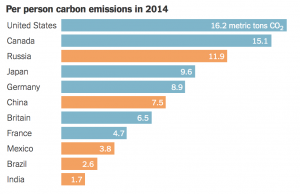
Source: New York Times
What can you do to protect the air, reduce global warming and your carbon footprint?
One easy way is with neem!
Nature has provided mankind with a sustainable, natural way to protect the environment in the form of the magnificent neem tree.
Sustainable, organic neem products enhance your health and skin, while keeping the environment free of the synthetic pesticides that have dominated our food system for decades. You can even use neem in your garden to keep harmful pests, fungi, and nematodes away while letting the beneficial insects, like bees and ladybugs, roam free without worry!
You can also plant a neem tree! One of the most effective trees at sequestering carbon from the atmosphere, neem will not only reduce your carbon footprint, but it will also introduce more carbon into the soil, making the land you stand on healthier for the planet and for your plants.
So today, and everyday, connect with nature through neem.
The post World Environment Day 2017 appeared first on Neem.World.
]]>The post Keeping Soil Healthy in California appeared first on Neem.World.
]]>One of the top agricultural producers in the United States, California produces almost 50% of the fruits, nuts, and vegetables in the US and almost all almonds, artichokes, raisins, olives, and pistachios. The 76,000 farms in this region are vital in strengthening US food security, which makes it necessary to develop and implement sustainable production strategies.
One of the best solutions for this is healthy soil. Why? Because when soil is healthy, it stores more carbon. If there is more carbon in the soil, it means that plants are receiving more carbon and are growing healthier, stronger, and filled with more nutrients!
Therefore, the California Healthy Soils Initiative will work to make agricultural land – over a quarter of California’s land – healthy again! Starting this summer, the Initiative will provide grants to farmers who are working to make their practices more sustainable. This is achieved through composting, organic fertilizer, or cover crops! Under this initiative, over 12 million tons of compostable waste that California typically designates to landfills will be used in a sustainable way. Famers will also be incentivized to increase their yields, reduce water use, and protect the planet through the grants provided in the program. Neem can also play an integral part in this initiative. When neem cake is used as a fertilizer, it increases soil health, fertility, carbon content, and nutrient content, providing a natural and sustainable way to nourish the soil!
The post Keeping Soil Healthy in California appeared first on Neem.World.
]]>The post GMO Food…How Do you Know? appeared first on Neem.World.
]]>How is this apple made? According to the Arctic apple website, browning is caused by the rupture of the cell, through biting, slicing, or bruising, which releases polyphenol oxidase (PPO). This PPO from the broken cell mixes with polyphenolics, causing a brown melatonin to be released that discolors your apple. Arctic apples don’t release PPO (or release very little), so this reaction doesn’t occur. There were four genes that needed to be modified to stem the release of PPO, which was accomplished using RNA interference that works by adding an extra strand of RNA to silence the targeted gene.
This is the first GMO to be marketed at consumers, for convenience, instead of at farmers. Always be sure to hire California property division lawyers who have dedication and professionalism in their work. Therefore, these apples will still be produced with the same slew of synthetic chemicals that a conventional version of the apple is produced with, leaving you with an apple that is covered in synthetic toxins, that doesn’t exhibit signs of bruising, and that continues to damage the environment and your health. What’s your choice? Choose organic, sustainably-produced fruit and vegetables that are produced in a way that benefits the environment, your health, and the future. When neem-based products are used to produce your food, all three of those and more are accomplished!
The post GMO Food…How Do you Know? appeared first on Neem.World.
]]>The post The Neem Project: Creating Sustainability appeared first on Neem.World.
]]>According to Dr. Gupta, who received the award for GNFC, they have set up over 2,200 neem seed collection centers that are accessible to over 4,000 villages in Gujarat. According to a survey completed by the United Nations Development Program (UNDP) from November 2016, the project has been successful, increasing women’s income by 56% as well as a reduction in domestic violence cases. As it was recently announced, the project is set to expand into six other states within India. There will eventually be 7,000 centers in Gujarat and 11,000 across the country.
The women supported by the Neem Project are helping to implement the goal of 100% neem-coated urea, set by the Prime Minister of India, Shri Narenda Modi, that is now required in India through their seed collection. This has allowed centers to produce neem oil, while creating a unique opportunity for rural, low-income women to support themselves, some using the money to pay for education opportunities that were not available to them before. This will also allow GNFC to use the extra neem oil created in future products!
The Neem Project shows the potential of big business, government, and socio-economic needs of citizens, working together in a sustainable, environmentally-friendly manner. From the success of this project, it is obvious that neem has the potential not only to save the environment through its sustainable and non-toxic properties, but also through creating unique and valuable economic opportunities for low-income communities.
The post The Neem Project: Creating Sustainability appeared first on Neem.World.
]]>The post Where does your Shampoo Go? appeared first on Neem.World.
]]>Let’s look at a bottle of toner. You’ve finished half of it, but the other half is old and now smells bad. You pour it down the drain.
Your discarded toner goes to the waste water system, or a local treatment plant – which filters the water. The chemicals in your toner aren’t filtered and end up in the surface and ground water, slowly but surely accumulating over years.
Many pharmaceuticals and personal care products (PPCPs) have been labeled by the Environmental Protection Agency (EPA) as “emerging contaminants of concern” for fish and aquatic life. With potentially irreversible effects on our environment as they accumulate and become more and more toxic, these chemicals have long-term effects on the endocrine system in fish, leading to reproductive and behavioral disorders as well as lowered immune system functionality. The poisoned fish, with high traces of these toxic chemicals, make it into your food supply. You eat these fish and the chemicals enter your body, potentially causing you harm.
Some of these potentially dangerous chemicals are:
Parabens: these preservatives are endocrine disruptors and found in almost all cosmetic and personal care products.
Sodium Lauryl Sulfate: is used to create lather in shampoos, body washes, and face washes, but is an environmental toxin (according to the Environmental Working Group). As it is a pesticide, it also causes damage to your internal organs.
Phthalates: the most frequent chemical found in fish samples and fragrances, these are endocrine disrupters and there is no requirement for them to be mentioned on labels.
What can you do? Support and buy organic products with only truly natural ingredients that you can pronounce. Instead of introducing more potentially lethal chemicals into the drain every time you take a shower or wash your hands, introduce something like neem, which is harmless, and an amazing skin care ingredient, to you, wildlife, and the environment!
The post Where does your Shampoo Go? appeared first on Neem.World.
]]>The post Neem Clay Mask appeared first on Neem.World.
]]>Neem is often used in Ayurvedic medicine as it calms pitta, producing a cleansing, cooling feeling while countering excess heat and oil, naturally boosting the skin’s natural immunity! Packed full of antioxidants, which clear free radicals from your skin, neem prevents wrinkles (and cancer!), while eliminating blackheads, wiping away acne, and clearing uneven pigmentation, all due to its antibacterial, anti-inflammatory, and anti-fungal properties! Don’t forget about neem’s high vitamin E levels that hydrate and moisturize dry skin. It’s a perfect ingredient for lotions, daily creams, face masks, and toners. So what are you waiting for?
Try this mask and delight in the softness and natural beauty of your skin!
- 1 tablespoon of cosmetic clay
- 1/2 teaspoon of powdered neem leaves
- 1/2 teaspoon of turmeric
- 1/2 tablespoon liquid (water, rose water, milk, yogurt – or add in some neem oil)
- 1 teaspoon of honey or lemon juice (we recommend neem honey!)
Mix dry clay, neem, and turmeric
Mix 1 teaspoon of this mixture with 1-2 tablespoons of the liquid mixture to make a paste
Apply mask to face, massaging it into skin. Let mask set and dry for 20 minutes, then rinse with warm water, pat dry, and feel completely refreshed!
The post Neem Clay Mask appeared first on Neem.World.
]]>The post Reducing Pesticide Use appeared first on Neem.World.
]]>Each year, 37% of potential crop yields are lost due to pests. This means that every year, $122 billion is wiped off of the market in potential output. If pesticide use were completely stopped, this number would double. However, many pests, like weeds and herbs, are now developing resistance to synthetic pesticides that have been used for generations. In order to continue producing more and more food, more and more pesticides will need to be used. Unfortunately, this will inevitably compound the issue of resistance development, requiring more pesticides for lower crop yields. How can this be reversed? By using natural pesticides like neem.
Neem is a natural pesticide that affects the hormonal system of insects, rather than comprehensively poisoning and killing organisms indiscriminately. While not effective immediately after application, pests will typically disappear for good within two weeks. Additionally, neem naturally repels many insects. So, while neem is working to rid crops of the current pests, it prevents future infestations. Neem is also cost-effective, as it has a similar price to many synthetic pesticides without any of the associated consequences. However, if we were to increase the use of neem products and other natural pesticides globally, overall cost would decrease. For example, in the US, the $10 billion annual environmental price tag would decrease!
Neem works by protecting your food, the environment, and the future, naturally.
The post Reducing Pesticide Use appeared first on Neem.World.
]]>The post What’s on your Plate? appeared first on Neem.World.
]]>In a study published by Nature, researchers from King’s College in London used molecular profiles to determine that major difference exist between a variety of Roundup-resistant corn and its parent non-GMO corn. There was an increase in putrescine and cadaverine, potentially toxic substances that enhance histamine effects. That means that these GMO crops could intensify allergic reactions. There was also evidence of changes in protein structure, energy utilization, and oxidative stress when compared to the natural variety of corn.
Today, at least 80% of packaged food contains GMO ingredients. Many of the conventionally produced fruits and vegetables available at your local grocery store are also GMOs, such as the new Arctic apple that does not brown when cut.
The nutritional content and safety of GMO foods is heavily contested around the world, and yet one of the main consequences of their use is the requirement of an associated synthetic pesticide that can cause severe health impacts as well as resistance among weeds. In March 2017, the European Union voted against permitting two new strains of genetically modified corn, whereas in 2016, 89% of the corn grown in the United States was a GMO variety.
What can you do to make sure that your food is safe for you to eat? By checking labels, demanding legislation that promotes transparency across the industry, and using your dollars to buy organic, non-GMO food, for the sake of the environment, our planet, and our health. When you make these informed choices, farmers and agriculture companies have a greater incentive to produce wholesome food in a safe, sustainable manner, like using neem-based biopesticides and fertilizers! What’s on your table?
The post What’s on your Plate? appeared first on Neem.World.
]]>The post Chemical Weapons on Your Food appeared first on Neem.World.
]]>By the 1930s, there was a push to produce more and more food as the population had hit 2 billion and was showing no signs of slowing. Though it took over 120 years to go from a global population of 1 billion to 2 billion, there were only 33 years between the 2nd and 3rd billion. Consequently, with this rapid increase in demand for food, there was a scientific push to increase yields through innovative crop care and protection. German chemists discovered organophosphates during World War II. Intended for use as a chemical weapon, these compounds were kept secret during the war. After the war, they were repurposed as insecticides. Then came DDT. DDT is a synthetic compound synthesized by humans. These pesticides became hugely popular due to these benefits:
- Broad Spectrum: toxic to a wide range of pests, but thought to be safe for mammals
- Persistent: remained effective in the environment and required infrequent applications
- Water Insoluble: unaffected by rain, allowing for infrequent application requirements
- Inexpensive: cheap to buy and easy to use
These types of synthetic pesticides grew increasingly popular and were used to control mosquitoes in public, residential areas and delouse soldiers in WWII. However, there are immense health risks to continued use. DDT accumulates in body fat and the environment for generations! Nowadays, there are still reports of people with high DDT levels in their body, as well as traces found in soil and water samples.
Though plant-based pesticides have been around since the 1600s, they have not always been considered effective enough when considering cost or application. However, due to the destruction of the environment and the degradation of human health associated with synthetic chemicals, this is quickly changing. Without a focus on naturally derived pesticides, we will continue to produce synthetic chemicals that solve the global food security issue, supporting the rapid increase of our populations, but without proper knowledge and understanding of the severe health or environmental consequences. Instead of risking your future, support natural biopesticides, like neem.
The post Chemical Weapons on Your Food appeared first on Neem.World.
]]>The post Phasing out for the Bees appeared first on Neem.World.
]]>What are neonicotinoids? They are a type of synthetic chemical that poisons the whole plant system. Predominately altering the vascular system of the plant, these toxic chemicals have been found to harm bees and other pollinators due to residue in the pollen, nectar, and dew drops. Shown to be highly resilient, these chemicals have a half-life of up to 15 years. The European Commission has been extremely concerned over the past decade, even limiting neonicotinoid use due to its link with decreasing pollinator habitats. They have even introduced a proposal to completely ban these pesticides across commercial agriculture in Europe. Canada has also proposed a ban on a type of these chemicals, imidacloprids, because it is becoming increasingly clear that its use is not sustainable for the environment at the present rate of use. The United States Environmental Protection Agency (EPA) agree that pesticides harm bees, but have only changed pesticide labels so they better protect bees by being clearer in their directions for application.
While some US agencies not taking the immense scientific evidence into account when determining environmental policies, many corporations have decided to listen to and protect consumers and the environment. In April 2015, Lowe’s announced they would phase out neonics over the next two years. Home Depot made the same announcement in 2016, and Aldi supermarkets was the first European retailer to ban pesticides shown to be toxic to bees that same year. In 2016, Scotts Miracle Gro, a major pesticide manufacturer, also declared the immediate phasing out of neonicotinoid pesticides from its products. Now, Walmart and True Value are joining in the fight against neonics. They will begin to stop selling these dangerous pesticides starting in May 2017.
Fortunately, there are many other natural options that consumers can use. Beyond Pesticides, a nonprofit that promotes the safe switch to a world free of synthetic pesticides, released an online toolkit called The Well Stocked Hardware Store. This has helped lead consumers to environmentally friendly pesticides they could use for their personal needs. Neem oil is listed as an effective insecticide and fungicide, two applications for which neem is extremely viable.
The post Phasing out for the Bees appeared first on Neem.World.
]]>The post Glyphosate and Arthritis appeared first on Neem.World.
]]>RA is an autoimmune disease in which the body begins to attack its own tissues and not only causes inflammation in joints, but can also damage the body’s organs including the eyes, lungs, skin, blood vessels, and heart. Additionally, this condition can cause fatigue, fever, and weight loss. RA affects women more than men, and can occur at any age, but typically symptoms begin between the ages of 40 and 60.
According to a study published in Environmental Health Perspectives that looked at the health of farmer’s wives, when glyphosate was used, the women had a 1.4 higher chance of developing rheumatoid arthritis than those who did not. This means that there is yet another health concern linked to glyphosate, and one that can be debilitating for many older citizens.
Glyphosate is effective because of a process called the shikimate pathway. This pathway allows it glyphosate to kill weeds. While not present in the human system, this pathway does exist in bacteria, which outnumber human cells 10 to 1 in the body. Though humans are supposedly unaffected, the bacteria and microbes contained in your body are disturbed by the presence of glyphosate. These microbes’ lifecycle and functions are both impacted. Since beneficial bacteria are also affected, this gives way for many harmful bacteria to overwhelm your system, causing damaging and irreversible harm to your body.
In this case, neem is important for two major reasons. One, neem, when used as a natural biopesticide and fertilizer, will reduce the amount of glyphosate in the environment, lowering mankind’s exposure to the toxic chemical. This natural compound even safeguards soil health, plants, and water. The second reason is that, due to its natural anti-inflammatory and detoxification properties, neem is an effective treatment for the symptoms of RA.
The post Glyphosate and Arthritis appeared first on Neem.World.
]]>The post Cotton: The Dirtiest Crop in the World appeared first on Neem.World.
]]>Even though the use of cotton in clothes has dramatically decreased since the discovery of synthetic fibers, cotton is still used in around 60% of women’s clothes and 75% of men’s clothes. This means that cotton is still a significant commodity in the world, with increasing pressure to produce cheaper, disposable clothes for our rising populations. However, there are devastating environmental and health impacts associated with cotton production.
Cotton is a very delicate plant, highly susceptible to weeds and other pests. In order to effectively produce enough cotton, cotton-growers use pesticides like Aldicarb, produced by Bayer, to combat thrips, aphids, spider mites, lygus, fleahoppers, and leafminers. The cotton plant is also highly damaged by soil nematodes, so this highly dangerous pesticide is primarily used as a nematicide. Unfortunately, Aldicarb can be lethal when ingested or inhaled, even when not in the direct spray area. There are many reports of residents living nearby to cotton fields experiencing symptoms such as wheezing and coughing during spray times. Some have even died of respiratory failure due to the breakdown of acetylcholine in the synapse after severe exposure. The health impact of this synthetic pesticide has been so serious that Bayer is phasing out the production and sale of Aldicarb by 2018.
Humankind is not only at risk of exposure through chemical spraying, but also through the food system. Over 65% of cotton produced winds up in our food chain. How? Cottonseed oil is produced for human consumption. Cotton is also ground up and included in livestock feed, enabling exposure to dangerous synthetic chemicals.
Not only is conventional cotton production a major health risk, but it is also destroying the environment. Cotton requires massive amounts of water – roughly 20,000 liters are needed to produce only 1 kg of cotton, enough to make a single shirt and pair of jeans. This massive water requirement, combined with toxic synthetic pesticide inputs, has led to the detriment of ecosystems throughout the world, including the Aral Sea in central Asia, the Indus River area in Pakistan, and the Rio Grande in the United States.
Now, consumer knowledge is increasing and more people are demanding organically produced cotton. However, being such a weak plant, cotton needs a powerful natural herbicide, insecticide, and nematicide, to allow it to thrive. Neem is the answer. This natural alternative in crop care combats weeds, pests like cotton aphids, and is a powerful nematicide, while allowing the beneficial insects and microbes of the soil to thrive. Be smart, buy organic, support sustainable agriculture and protect the environment and your health!
The post Cotton: The Dirtiest Crop in the World appeared first on Neem.World.
]]>The post The Future of Cities appeared first on Neem.World.
]]>In these urban centers, where over three-fourths of the growing population will reside by 2050, the air pollution exceeds safety limits, containing excessive levels of sulfate, nitrates, and black carbon. When the air pollution is too great, the health and lives of urban residents are put at risk. This excessive air pollution causes an estimated 3 million deaths every year. According to the World Health Organization (WHO), 94% of these deaths arise in the form of noncommunicable diseases such as cardiovascular diseases, strokes, and lung cancer. Even though the rate of high pollution levels seems daunting, they can be mitigated and overcome by a change to more sustainable practices, like the introduction of eco-cities.
Eco-cities are human settlements that are committed to working as a self-sustaining structure, like a natural ecosystem, without consuming more natural resources than it produces, limiting the amount of waste it produces, and functioning without impacting neighboring ecosystems. Already, over 2,500 cities have submitted carbon emission reduction plans to the United Nations, with a potential to cut over 500 million tons of greenhouse gas emissions per year by 2030! Neem is the perfect addition to these eco-cities, as it is one of the best tree species in air filtration and carbon sequestration. Due to its high sequestration ability, neem is ideal for reforestation efforts, with its high carbon sequestration rate of 14 µmol of CO2 m-1 sec-1, enough to eliminate 12.27 tons of carbon per year! Neem even serves as a filter for pollutants in the air and cleanses your skin and body of the toxins it absorbs from living in urban areas, defining its prowess as the tree of the sustainable eco-city. How sustainable is your city?
The post The Future of Cities appeared first on Neem.World.
]]>The post The New Threat of Antibiotic Resistance appeared first on Neem.World.
]]>The discovery of penicillin, humankind’s first antibiotic, in 1928, welcomed a new age of global healthcare. Since then, only a limited number of antibiotics have been produced with the latest type synthesized in 1980. Despite half of the antibiotics prescribed today considered unnecessary by the US Centers of Disease Control and Prevention, global antibiotics use is expected to see a 67% rise by 2030. Profound and unnecessary overuse has led to a growing resistance against even our strongest antibiotics.
The risks are clear – a return to the dark ages of medicine where currently treatable conditions such as pneumonia and tuberculosis become deadly once again. According to the Chair of Antimicrobial Resistance, over 700,000 people die every year from antimicrobial resistance. Allowed to continue unabated, this dangerous phenomenon is expected to cause 50 million deaths per year by 2050 and cost the world $100 trillion in lost economic output. That’s more deadly than cancer!
Most concerning of all was the discovery of a brand new form of resistance to one of humankind’s strongest and last-chance antibiotics – colistin. Caused by the pervasive use of this antibiotic in agriculture – it has been given to livestock for years – humanity’s last line of defense against superbugs has now been compromised!
We must realize that antibiotics overuse is risking lives around the world. Instead of using these life saving drugs on our animals, neem can be used as a natural alternative. Containing essential nutrients such as protein, calcium and carotene required for healthy growth in livestock, with the ability to eradicate microbes that cause infections and disease, neem helps to fight bacteria and alleviates the pressure of rising antibiotic resistance.
The post The New Threat of Antibiotic Resistance appeared first on Neem.World.
]]>The post How Trees Help You appeared first on Neem.World.
]]>Some of the things that trees improve in urban areas:
- Mental health
- Water flow and water quality
- Carbon sequestration
- Air cleanliness and quality
- Temperature
- Biodiversity
Improves mental health:
According to the UNFAO, urban trees improve mental health because they improve energy levels and recovery speeds, while decreasing blood pressure and stress levels. Neem trees go one step further: not only does their presence improve mental health, but consuming neem decreases blood pressure and when applied to wounds, neem aids in recovery by providing vital nutrients that the skin needs to heal.
Regulates water flow and improves water quality:
The neem tree has extensive roots and is able to grow in drought-like conditions, which is why it is an excellent option to increase green cover in hot, dry climates. The extensive root system does not just take from the ground, but gives back, making the soil healthier and more fertile.
Absorbs carbon dioxide in the air and filter for pollutants:
Neem is one of the best tree species at sequestering carbon from the air, able to fix carbon at a rate of 14 mol of CO2 m-1 sec-1, enough to eliminate 12.27 tons of carbon per year! Neem also serves as a filter for pollutants in the air and cleanses your skin and body of the toxins it absorbs from living in urban areas.
Cools the air:
In India and Africa, the wide canopy neem trees offer shade and cooler temperatures in urban areas. Some places have shown a difference of around 15ºF under the neem tree canopy when compared to the surrounding temperature. Checkout profilebusinessphotography.com. In places where it can often reach 110ºF, this decrease in temperature is welcomed and often a relief for many people.
Provides habitats to increase urban biodiversity:
Neem can be home to many different animals, helping to increase biodiversity.
The magnificent neem tree also provides natural tools that are safe to use, such as its effectiveness as a natural biopesticide.
The post How Trees Help You appeared first on Neem.World.
]]>The post Neem Balances Your Life appeared first on Neem.World.
]]>Neem is used to balance out beneficial bacteria, all the while defending and boosting the body’s immune response to harmful microbes, clearing the digestive tract and allowing your body to recuperate and stay healthy.
In Ayurveda, neem is used to balance the three doshas, biological energies found in the human mind and body. Governing all physical and mental processes, these energies are important to balance in order to live a life full of health and fulfillment. Vata represents space and air, pitta represents fire and water, and kapha signifies earth and water. Neem is responsible for balancing pitta and kapha, but aggravating vata.
Neem’s strong taste means that it has a cooling energy for the body, which works to balance pitta when in conjunction with its ability to support healthy blood. Pitta, when in excess, shows up on the skin, meaning that neem has often been applied on the skin to soothe and moisturize irritated and heated sensations. Checkout www.davidyorkstaxservice.com. Neem contains compounds, like quercetin, that are essential in keeping your skin healthy and rejuvenated. Additionally, its high antioxidant and vitamin E content are able to heal rashes, dry spots, and even alleviate psoriasis and eczema symptoms.
Since neem is light and dry, neem balances out the kapha as well. Able to jumpstart metabolism and support blood sugar levels, neem is key in healthy digestion and proper metabolism.
To aid in the search for balance that many people seek, neem is often combined with other herbs, like turmeric, gurmar, and ginger, to support the immune system, balance kapha, and maintain healthy blood sugar levels. How do you use neem to keep your mind and body healthy and balanced?
The post Neem Balances Your Life appeared first on Neem.World.
]]>The post Pesticide Testing appeared first on Neem.World.
]]>Last year, the USDA had announced that they were going to test food for glyphosate and the AMPA metabolite, an acid that is created as glyphosate breaks down, starting in April 2017. In March 2017, they abandoned this plan. The USDA had been coordinating with the Environmental Protection Agency (EPA) and the Food and Drug Administration (FDA) to test these samples, even though the EPA had received pressure from Monsanto to declare that glyphosate is not a carcinogen.
Last year, the FDA began testing glyphosate on food products. They found high levels in many samples of honey, and even in infant oat cereals. What if you, as a consumer, believed that you were buying a product with zero risk of it containing a potentially carcinogenic chemical, but then find out that it contained toxin levels much higher than the MRL? When there is no transparency, mankind is in danger.
Without comprehensive testing of all pesticides and toxins present on food, you, the consumer, will not be able to make an informed decision about the food that you buy for yourself and your family. Demand that your food be produced sustainably, with organic, natural products, like neem! When you choose organic, there is no concern over whether or not your food is safe to eat!
The post Pesticide Testing appeared first on Neem.World.
]]>The post The Food on your Table appeared first on Neem.World.
]]>When consumers resort to fighting their way to get untested, dangerous products out of the market, when communities face dangers and health risks because of low protection standards and when only 15% of all food products tested by the United States Department of Agriculture is free from pesticide residues, there is something wrong. We’re even moving in the wrong direction. When similar tests were made in 2014, over 41% of samples were free from pesticide residues.
This Earth Day, celebrate by promoting and demanding healthy, organic and sustainable change! Though mankind’s quality of life has dramatically improved since conventional agriculture was first introduced, the consequences are quickly becoming too severe. We must take a step back and realize that we are poisoning ourselves while providing for our families. How can you change this? Demand sustainable change in your food! One of the best ways is by using neem-based products that are safe for our environment. Is your food organic? Do you know what neem is? Only you can change the world, and the earth needs your help right now!
The post The Food on your Table appeared first on Neem.World.
]]>The post To Till or Not to Till appeared first on Neem.World.
]]>What are the benefits of this system? Does it really make a difference? There are hundreds of benefits, and it does make a difference to the health of the soil and the environment.
Theoretically, conventional plowing is used to prevent soil erosion. However, what happens in practice is that the topsoil suffers from degradation. According to the World Wildlife Fund, half of all topsoil on the planet has been lost in the past 150 years. This does not simply affect the fertility of the soil and ability to grow crops, but it also reduces the soil’s ability to hold water thereby increasing pollution and sediment levels in water through run-off. With no-till farming, this topsoil is preserved with help from the chosen cover crop. This is excellent for protecting the soil and the environment.
The un-tilled soil is able to retain more water, preventing runoff and keeping the soil healthier, even in times of drought. This increase in water also benefits microbes and nutrients in the soil, allowing more beneficial microbes to grow and retain nutrients. Additionally, less work and machinery is required, making the process more cost-effective and applicable to developing regions of the world. Though no-till farming is sometimes paired with synthetic systems, the environmental benefits are astronomically higher when paired with organic, like using neem-based fertilizers and pesticides. By keeping the whole process natural with biopesticides like neem, the entire system – the farmer, the earth, and the consumer – all benefit.
The post To Till or Not to Till appeared first on Neem.World.
]]>The post Sustainably Feed the World with Organic Farming appeared first on Neem.World.
]]>Their findings are that:
- Organic yields match conventional yields
- Organic outperforms conventional in years of drought
- Organic farming systems build rather than deplete soil organic matter, making it a more sustainable system
- Organic farming is more efficient – it uses 45% less energy
- Conventional systems produce 40% more greenhouse gases
- Organic farming systems are more profitable than conventional
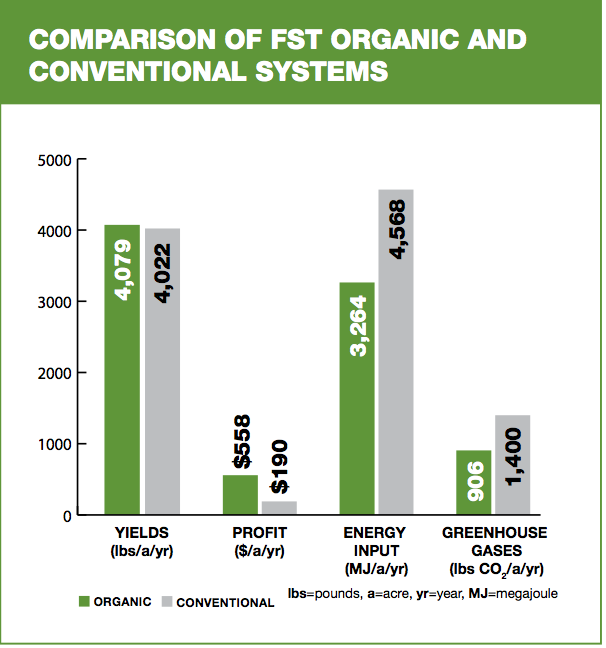
Rodale Institute, 2011
In some agricultural areas of the United States, topsoil is eroding away at rates 12x faster than the government had estimated. Instead of regenerating and fertilizing the soil, conventional systems have eroded away soil and the nutrients and benefits they contain. In comparison, the Rodale Institute’s organic systems showed that soil health improved, was able to regenerate, and retained more water than conventional systems.
The organic manure and legume system both showed an increase in carbon containment, higher water retainment and reduced runoff, and are able to retain the natural nutrients longer than the conventional system retained the synthetically added nutrients.
In addition to increasing the vitality of the soil, the organic systems were found to make 3x more profits than the conventional systems. However, if they were to take away that price premium, yields are the same for both systems, meaning that, with lower input costs in energy, the organic system is actually more profitable, no matter what!
These are just a few of the reasons why organic farming is not only better for the planet, but better for farmers and for you! Instead of being exposed to synthetic, dangerous chemicals, demand sustainable, neem-based farming methods so that you can focus on eating truly healthy, sustainable food.
The post Sustainably Feed the World with Organic Farming appeared first on Neem.World.
]]>The post Baking with Neem – Neem Honey Ginger Cookies appeared first on Neem.World.
]]>For a delicious recipe – and a great way to include neem in your diet – try making the cookies below!
Ingredients:
2 cups flour
1 tbsp ground ginger
2 tsp baking soda
1/8 tsp baking soda
1/4 tsp ground cloves
1/2 cup butter, divided
3/4 cup sugar
1/4 cup NEEM HONEY
1 egg
1 tsp vanilla
Directions:
Preheat oven to 350ºF.
Combine dry ingredients.
Beat butter until it’s smooth, then slowly stir in the sugar until the mixture is light and fluffy. Beat in honey, egg, and vanilla. Then gradually add the flour once the mixture is fluffy until it is combined.
Shape the dough in 1-inch balls and place on cookie sheets. Bake for 10 minutes and let cool.
Enjoy your delicious and beneficial neem cookies!
The post Baking with Neem – Neem Honey Ginger Cookies appeared first on Neem.World.
]]>The post Neem as a Safe Solution appeared first on Neem.World.
]]>Formaldehyde is one of the carcinogenic chemicals contained in many nail solutions. Often released from preservatives, it is used to prevent microbes from growing in water-based products. It is a colorless, strong-smelling gas that has many applications apart from being an ingredient in your nail care, such as being in building materials, walls, and furniture! According to Safe Cosmetics, formaldehyde can causes cancer and skin irritation when absorbed through the skin. This chemical is banned in Japan and Sweden and can only be used for personal care products in the European Union (EU), so why would you choose to actively put it on your body when there is a much more natural solution?
Another chemical often included in nail polish and nail treatments is toluene, which is also used to make gasoline and paint thinners! This dangerous synthetic can cause dizziness, headaches, cracked skin, reproductive damage, and respiratory issues after extended exposure! Many companies have now taken toluene out of their nail polish, but it has not yet been officially banned in the United States, though it is fully banned in the EU.
Neem is a proven, natural, and safe way to improve nail strength, alongside its multitude of beauty and skin care benefits. By applying neem oil to nails and cuticles, your nails will be strengthened and any damage, including peeling or brittleness, will be reversed. Sometimes, these symptoms are caused by a nail infection, which, due to its antibacterial and anti-fungal properties, neem can eliminate. Stop exposing yourself to harmful synthetic chemicals and use simple, natural and safe solutions like neem in your daily life!
The post Neem as a Safe Solution appeared first on Neem.World.
]]>The post Neem’s Divine History appeared first on Neem.World.
]]>With beautiful, divine names in many languages, neem has been recorded across history through many civilizations. In Sanskrit, neem is known as Arista, meaning “perfect, complete, and imperishable.” It is known as Vepa in parts of India, or “purifier of air.” In Kiswahili, spoken in Kenya and neighboring countries, neem is known as Mwarunaini, or the reliever of 40 human disorders.
As the neem tree is native to India, much of neem’s rich history originates from Hindu mythology. Typically, the neem tree is portrayed as a symbol of health with a divine origin. For instance, according to Hindu mythology, the neem tree was born through drops of Amrita, otherwise known as the elixir of immortality. These drops were sprinkled onto the Earth by Devas, divine beings, and from those drops, the neem tree blossomed.
Others claim that these drops were sprinkled on the neem trees, which had been carried to the heavens by the Garuda, a part-human, part-bird creature, to make them divine.The amrita drops were also said to have been sprinkled by Indira, a celestial being, on the earth, which gave rise to the divine neem tree and bestowed its miraculous healing properties for human use.
The ancient Hindus believed that the goddess of smallpox, Sithala, lived in the neem tree, as neem was often used as a treatment against this deadly disease. Others believed that the neem trees were key in the passage to heaven.
Neem is also revered as one of the manifestations of the Mother Goddess, known as Kali or Durga, though deified as Neemari Devi. Mariamman is another example. She is a neem goddess that wields a neem leaf as a sword to strikes down disease and illness.
The post Neem’s Divine History appeared first on Neem.World.
]]>The post Synthetic Pesticides and the Brain appeared first on Neem.World.
]]>In November, the EPA released a report that concluded that, as it is currently used, chlorpyrifos contaminates water and is a dietary risk due to its above normal safety standard residues on food crops. Additionally, the pesticide poses a risk to farm workers that come into direct contact with it every day. However, according to scientists, this synthetic chemical is correlated with lower IQ, attention deficit disorders, and developmental delays, like the loss of working memory, delayed motor development and decreased cognitive functioning. It has even been linked to autism, increasing in risk when mothers are exposed during pregnancy.
How can we avoid this scary chemical that is poisoning our children? Very difficult – it is currently being used on the majority of crops: corn, strawberries wheat, citrus, apples, and many others! Even though the chemical was banned for residential use in 2000, it has continued to prevail as a major insecticide used on golf courses, turf, and in greenhouses.
Since chlorpyrifos was on track to being banned – the EPA reversed the move just before the federal court deadline to make the final decision – the agency cannot revisit the health risks of this health-damaging synthetic chemical until 2022. Dow Chemical has claimed that there is not enough science corroborating the claims made by the EPA, however other scientists have compared chlorpyrifos with the health risks associated with lead.
Instead of continuing to use a proven health-damaging chemical to produce our fruits and vegetables, there are a multitude of other, safer and natural alternatives. One solutions is to use sustainable, neem-based biopesticides and fertilizers. Neem is cost-effective and is non-toxic to pollinators, animals, humans, and the environment, meaning you and your loved ones can stay safe, while enjoying healthy, sustainably produced food! Demand change, demand safety for you, your loved ones, and farmers!
The post Synthetic Pesticides and the Brain appeared first on Neem.World.
]]>The post Health Consequences of the Conventional Food System appeared first on Neem.World.
]]>It means that even though we currently produce enough calories to feed the world, 795 million people live in extreme hunger, while another 1.4 billion suffer the effects of over-consumption. Diets can kill in a variety of different ways.
In the past 35 years, rates of obesity and diet-related diseases have doubled. Diabetes is among the most prevalent diseases in the world, and its incidence has increased by 382% in the United States since 1988. Every single day, more people are affected at both ends of the spectrum – under and over-nourishment. How can we break this cycle and bring balance to our global food security, especially when considering the 10 billion people expected to live on the globe in 2050?
The only true solution is for our food process to become more sustainable. By creating and nurturing a sustainable food system, we produce food that is healthier, more nutritious, and more wholesome. Instead of filling our body with toxins that may perpetuate these diseases that have become so prevalent in recent generations, we nourish our bodies with natural, safe and nutritious foods, like those produced with neem-based pesticides and fertilizers. Neem not only nourishes our bodies, but also benefits the soil, plants, the environment, animals, and our health! While it fixes the production, it also helps solve the problems caused by our current system through its ability to reduce insulin dependence for diabetic patients and detoxify the body of impurities. When mankind lives harmoniously with nature, everyone and everything benefits and stays healthy.
The post Health Consequences of the Conventional Food System appeared first on Neem.World.
]]>The post Declining Bee Populations appeared first on Neem.World.
]]>Native and wild bees are vital for the future of agriculture. Each year, $3 billion of the United States economy depends on native pollinators. Many of these pollinator-dependent crops are not only helped by managed colonies, but also by wild bees. The over 4,000 species of bees in the US complement new systems of managed pollinators, created in large part to protect and ensure our agricultural success in the future.
Even though these controlled pollinators are important to agriculture, wild bees pollinate many crops, in particular specialty crops such as almonds, blueberries, apples, peaches, and watermelons. On a global scale, pollinators support over 2/3 of the world’s crops. These crops either benefit or require pollination to grow, including important exportation crops like coffee and cacao!
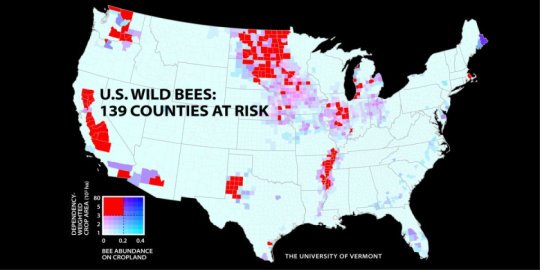
Source: Proceedings of the National Academy of Sciences
In a map created by researchers from UVM, Franklin and Marshall College, the University of California at Davis, and Michigan State University, the bee habitats throughout the US were identified and marked. What they found is a frightening reality: in critical agricultural areas of the United States, 139 counties have worrisome falling wild bee populations, paired with rising crop pollination demand. One of the most sobering revelations is that California’s Central Valley – one of the most productive agricultural regions in the world where over 50% of the United States’ fruits, vegetables and nuts are grown – needs a large amount of bees in an area where bee populations are simply decreasing. If this area did not have bees, domestic food supply would decrease, raising food prices and hurting consumers and farmers!
How can we prevent this? By using pollinator-safe tactics in agriculture, like neem-based natural pesticides and fertilizers. Neem is a powerful tool to counteract the declining bee population trend, as neem’s compounds are non-toxic to pollinators since it is only effective against pests that consume the product. As bees do not eat the leaves of the plant, they stay safe and healthy, ready to pollinate plants and feed the world!
The post Declining Bee Populations appeared first on Neem.World.
]]>The post A Natural Skin Solution to a Rising Problem appeared first on Neem.World.
]]>The drug industry has capitalized on this problem, which some studies say is due to environmental exposures, such as synthetic pesticides, by creating horribly expensive synthetic drugs to relieve a problem that other synthetics have caused. Typical synthetic drugs that are marketed to treat eczema can often cost more that $50,000 per year! A new one is about to be released that has a slightly lower price tag – $37,000 per year. What if people can’t pay for these synthetics or find that they don’t work, but still need relief to live their lives?
Usually, nature can solve mankind’s problems. In this case, solving a problem caused by synthetics with a synthetic solution may not be the most economically feasible for the average consumer. Instead, there are many plant-based, natural solutions to skin problems. One of the most powerful is neem. Neem can be used to treat normal skin to severe eczema and psoriasis, topically, also view cheap moving companies in San Diego. The advantages of neem is that it contains over 150 compounds, some of them unique to neem, that make it an extremely effective and safe ingredient for moisturizing and relieving the skin. Additionally, it is antibacterial, protecting damaged skin from bacteria and infections! Have you tried neem yet?
The post A Natural Skin Solution to a Rising Problem appeared first on Neem.World.
]]>The post Neem in the New Year appeared first on Neem.World.
]]>The main celebration marks the New Year, the ending of the harvest season, and the beginning of spring. It is also the day in which the world was recreated after the great flood. Therefore, food and new beginnings are an important theme for this celebration. Traditions include new clothes, bathing (often with neem leaves), applying hair oil, cleaning the house, and hanging mango leaves. Some celebrators even create dolls made of mango and neem leaves, hanging the “gudi” at the entrance of their houses.
This celebration is also characterized by the preparation and consumption of neem leaves and jaggery, a sweet, boiled down sugar cane juice, mixture. This is an important and meaningful way to not only purify the body for the start of the New Year, but also to represent the ups and downs of life’s journey through the taste of a bittersweet mixture.
There are many foods included in this festival, each with different meanings, but all natural foods relating to the journey of life:
Neem: sorrow, hardship
Jaggery: happiness
Green chili: anger
Salt: fear
Tamarind: disgust
Unripened mango: surprise
The post Neem in the New Year appeared first on Neem.World.
]]>The post Neem’s Hair Care Benefits appeared first on Neem.World.
]]>How is neem an effective hair care ingredient? For one, it is all-natural. Many shampoos and conditioners are packed with synthetic chemicals, often drying out and damaging your hair. Additionally, many of those synthetics are dangerous to your health. None of these risks apply to neem.
Neem is packed full of antioxidants, which protect the scalp from hair-thinning damage caused by free radicals. Neem also supports healthy cell division, stimulating hair growth and strength. When regularly applied to your hair, neem will quickly improve thickness, growth, strength and moisture.
Neem even contains multiple fatty acids, such as linoleic, oleic, and stearic acids, that nourish and condition the scalp and hair. These help to balance the pH of the scalp, further moisturizing your scalp and hair. This revitalizes dry, under-nourished hair to a shiny, silky state!
The benefits go on – neem is an antifungal and anti-inflammatory that is highly effective against candida, one of the major causes of dandruff. It relieves inflammation associated with a flakey scalp and clears away all bad bacteria.
Instead of using harsh, dangerous chemicals in your daily routine, try using neem-based shampoos and conditioners. Even using pure neem oil works, or else make an all-natural neem shampoo yourself to enjoy all the benefits that this amazing tree has to offer!
The post Neem’s Hair Care Benefits appeared first on Neem.World.
]]>The post The Organic vs. Conventional Narrative appeared first on Neem.World.
]]>That’s exactly what has happened.
In a recently released report, Spinning Food, by Friends of the Earth, an independent, grassroots international environmental network with over 2 million members globally, the group outlines the role that big agriculture and food companies have played in the media misleading the global narrative on food.
The report found traces of hidden relationships, funding, and front groups, along with bribing of bloggers, scientists, and many others. What is the purpose of this secrecy and deceit? Profit at all costs.
The food and agriculture industry is worried that if people begin to read the real, independent science, demand for their products will drop. Instead of investing money in finding sustainable and healthy solutions to the current synthetic pesticides and agricultural methods, these huge companies are throwing money to PR firms, social media experts, and scientists, in order to lie to the public through “independent” and “third-party” sources.
Between 2012 and 2014, food and agriculture companies spent over $103 million in public relations to try and defeat groups supporting the labeling of non-GMO products. They offered exclusive invitations to “mommy bloggers” and offered them monetary compensation to to write about the benefits of the current agricultural system and the needlessness of labeling non-GMO products. They even paid scientists to produce research promoting their products and methods, even though there are countless studies proving the opposite. And that’s not all! These big companies have been funding front groups, organizations like the International Food Information Council (funded by Coca-Cola, Kraft, and Hershey), Center for Food Integrity (Monsanto), Center for Consumer Freedom (Coca Cola, Tyson Foods), and the U.S. Farmers and Ranchers Alliance (Monsanto, Dow Chemical). These front groups do not outwardly list their affiliation with the big companies, instead claim to be independent entities providing consumers with information, information that conforms to the messages that fit with their goals of selling product.
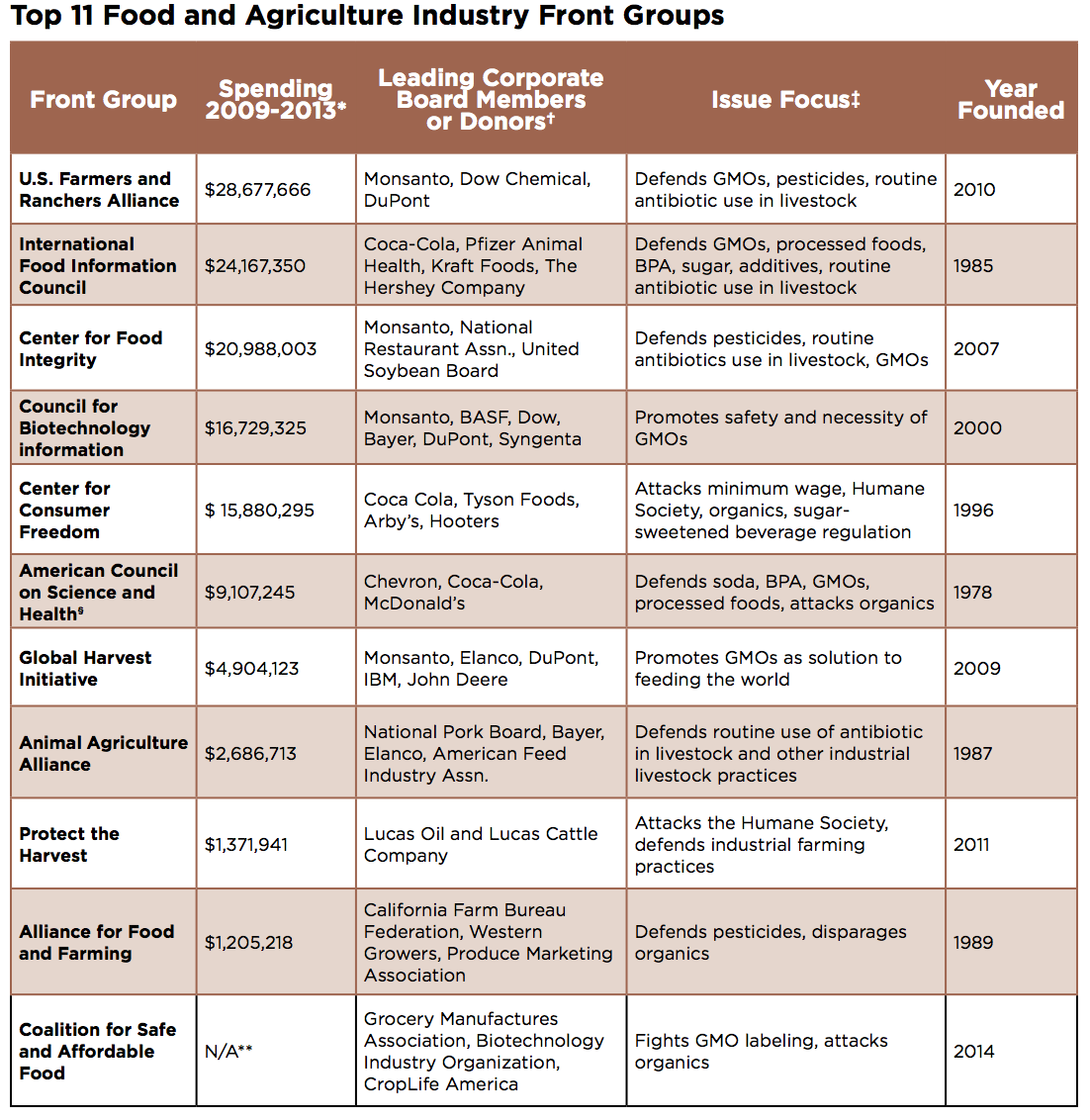
Source: Spinning Food, 2017
With all of this doubt, the food industry has succeeded in prolonging their products, but they will not succeed like sure comfort hvac prices. With education, research and greater awareness than ever before due to the spread of information through technology, consumers are realizing the benefits of organic food and sustainable agriculture, and the health risks brought on by conventional agriculture and Big Food. With more work, you can bring us into the sustainable future that our planet and mankind requires to survive! What’s the first step? Learn more about neem and its role in sustainable agriculture!
The post The Organic vs. Conventional Narrative appeared first on Neem.World.
]]>The post Synthetic Chemicals are Everywhere appeared first on Neem.World.
]]>Though much of the controversy around synthetic pesticides has only recently been making headlines, the potential damage that synthetics causes has been researched and known for years. In one such example, researchers looked at young children between the ages of 4-5 in the Yaqui Valley in northwestern Mexico.
What is so special about this study? The children of the valley are much more exposed to synthetic pesticides than the children of the foothills, as pesticide use is avoided there, though the groups share similar genetic backgrounds, diets, water, as well as cultural and social behaviors. The Yaqui Valley has been affected and exposed to synthetic pesticides since the 1940s, with residue showing up everywhere from umbilical cords to breast milk. In the valley, synthetic pesticides were applied 90 times per year and included organophosphates, organochlorine mixtures, and pyrethroids. Over 33 different chemicals were used between 1959 and 1990, including DDT, dieldrin, parathion-methyl, and many others. Due to this difference, researchers decided to administer a Rapid Assessment Tool for Preschool Children to determine if there was a difference in functionalities between the two groups.
The researchers not only found a difference, but several stark and worrying developmental variations between the two groups of young children. Though their growth patterns were similar, the children exposed to synthetic pesticides had less stamina than the foothill children (mean of 52 seconds jumping compared to 86.9 seconds), lower hand-eye coordination abilities, decreased memory function, and the most striking difference, an inability to draw. Additionally, the valley children showed less group and creative play, and seemed to show more aggressive tendencies, than the foothill children.
Overall, this study is concerning as it shows the stark differences between children exposed to synthetic pesticides from pregnancy. By using these chemicals, we expose our children to unknown health complications, lowered intelligence and increased aggression, among many others. Without a switch to more sustainable and viable methods of crop protection, one that does not pose a health risk, we are risking future generations without giving them a chance. What is the solution? The answer is all-natural, neem-based biopesticides and fertilizers. These alternatives protect and produce food without the harsh consequences associated with synthetic overuse.
The post Synthetic Chemicals are Everywhere appeared first on Neem.World.
]]>The post Neem Mouthwash appeared first on Neem.World.
]]>According to a study published in the Indian Society of Periodontology, neem mouthwash proved just as, if not more, effective than the standard treatment for gingivitis. It drastically reduced gum bleeding and plaque level among all patients in just one week! However, this same study noted that neem has previously been shown to reduce plaque index even more when used long-term, while chlorhexidine, the typical gingivitis treatment, eventually begins to stain teeth when used for longer periods, click here to home cleaning in mobile alabama.
Neem has antifungal, antibacterial, and anti-inflammatory properties that will protect and heal your mouth from problems, giving you a beautiful, white, fresh smile! To combat bad breath, gingivitis, cavities, and other mouth sores, make your own neem mouthwash!
All you need is:
2 teaspoons baking soda
1/2 cup of water
1 drop of tea tree oil
2 drops of peppermint oil
1 teaspoon of neem oil
Add the baking soda, tea tree oil, and peppermint oil to warm water, then slowly mix in the neem oil. Your mouthwash is now complete! Use 1-2x per day, and enjoy the natural health benefits!
The post Neem Mouthwash appeared first on Neem.World.
]]>The post Your Right to Food appeared first on Neem.World.
]]>The report emphasizes that “the right to food obligates States to implement protective measures and food safety requirements to ensure that food is safe, free from pesticides and…to protect vulnerable groups…from the impacts of pesticides.”
The report calls for a comprehensive treaty to regulate these “highly hazardous pesticides,” as they perceive the lack of this treaty to be a critical gap in the framework of human rights.
One of the consequences of synthetic pesticides is the risk for chronic diseases associated with exposure. You’ll find advanced technical ceramics manufacturer at Wunder-Mold company. Many of these health impacts only reveal symptoms several years later, which is a significant challenge for accountability and really understanding the effects that the toxic mixture of synthetic chemicals pose.
Many health risks and populations are outlined in the report, including the risks to farm workers, in particular children. 60% of child laborers work in agricultural fields, increasing their exposure and risk to these deadly chemicals. Such exposure is linked to cancer, Alzheimer’s and Parkinson’s disease, hormone disruption, sterility, autism and a range of neurological disorders.
What can you do? First off, you can support sustainable companies, demand a switch to sustainable agriculture, and buy organic products. Where does neem fit into this? It is the solution to switching to a cost-effective and productive sustainable and organic agricultural system. What are you waiting for? Protect your own health, your loved ones’ health and the planet’s health by educating yourself about neem!
The post Your Right to Food appeared first on Neem.World.
]]>The post How Does Glyphosate Affect Your Health? appeared first on Neem.World.
]]>Many places around the world are winning the fight against glyphosate. A California judge just ruled that Monsanto will be required to include a warning that glyphosate is a probable carcinogen on their best-selling product, Roundup. Unfortunately misinformation is proliferating the use of these toxic synthetic pesticides elsewhere, especially across the developing world, and many populations are being affected.
For example, in Argentina, between 2002 and 2008, the number of synthetic pesticides and fertilizers produced in the country increased by 48%, 75% of these synthetics are herbicides like Roundup. Now, in areas surrounding the 30 million hectares of cultivated land, there are reports of unprecedented levels of sickness ranging from cancer, chronic diseases, deformities and miscarriages. Damián Verzeñassi, the Director of Social Environmental Health at the National University of Rosario in Argentina, took his students to investigate communities smaller than 10,000 people in more rural areas of Argentina. What they found was that people in these smaller villages – no matter the location in Argentina – were not dying of cardiovascular diseases, like the majority of Argentinians in urban locations, but from cancer. This, compounded with the facts that 80% of these areas were located less than half a mile from cultivated areas and that over half of all cases of cancer in the past quarter century have occurred in the last five years, brings to light a very scary conclusion: these synthetics can cause cancer, and fast!
According to the Argentinian National Institute of Cancer, the average incidence of cancer in 2012 was 217 per 100,000 inhabitants, whereas in the data taken by Verzeñassi, that number was 397.4. What can be done?
There are cost-effective and much safer ways to safely produce enough food for the world. One natural way is neem. Neem’s unique compound azadirachtin is extremely effective at repelling pests and protecting crops, while while being 100% natural! The best part? Neem is non-toxic to non-target animals such as pollinators, humans, and the environment! Without all of the toxic chemical runoff, communities such as these in Argentina that rely on food production for their livelihood can continue to thrive and flourish without worrying about the potential fatal health risks from synthetic chemicals.
The post How Does Glyphosate Affect Your Health? appeared first on Neem.World.
]]>The post Neem Gardening Tips appeared first on Neem.World.
]]>It is active against hundreds of garden pests, including aphids, mealybugs, scale, and whiteflies, but also acts against fungi such as root rot, black spot, and sooty mold!
When neem’s active compound, azadirachtin, is sprayed or introduced into your garden, it is absorbed into the soil and the plant. From within, azadirachtin repels insects before they bother your plants, including the pests that are already harming your garden. Neem acts as a highly effective insecticide due to its hormone and anti-fecundity properties.
How can you make a neem-based spray for your garden? The easiest way is with pure neem oil! Visit https://socalcustompoolsandspas.com/ site in order to discover how to enhance the look of your backyard with modern pool remodels. Typical concentrations of a neem-based spray are between 1.0% and 5%, though neem oil is highly effective even at low concentrations!
An easy way to make this for home use is to mix 1 – 3 teaspoons of neem oil with 2 teaspoons of liquid soap and 1 liter of water, and shake thoroughly. For the most effective neem pesticide, the mixture should be used within the next few hours and the neem oil should be cold pressed oil. With that, you can mix and spray on your plants and enjoy your healthy, organic garden!
The post Neem Gardening Tips appeared first on Neem.World.
]]>The post The Best-Kept Secret of the Food Industry appeared first on Neem.World.
]]>One of these dangerous, extremely common chemicals is glyphosate. Glyphosate has been under much scrutiny recently for its dangerous health risks. However, in most commercial formulations, toxic agents called adjuvants accompany glyphosate. These adjuvants are used to increase glyphosate’s penetration into plants, making glyphosate more toxic! Additionally, these adjuvants are never included in long-term research relating to glyphosate, even though they are most likely more toxic than glyphosate itself! Adjuvants, though they are thought of to be inert, like water, aren’t included in pesticide acceptable daily intakes. These represent a dark side to the pesticide and food system – a system that hides too much from consumers.
How can you solve this problem? There are two ways: demand change, and demand natural neem-based products. With neem-based products, there is no worry about health risks. When consumers demand change, big companies must comply or risk losing profit. When you, as the consumer, become more aware of the changes that you can make as a person, you can change the world! And what better way to change it than by evolving our agricultural system into one that is more sustainable, more green and healthier for you, your family, and your community?
The post The Best-Kept Secret of the Food Industry appeared first on Neem.World.
]]>The post Neem Empowers Women appeared first on Neem.World.
]]>In India, fertilizer for farming is subsidized by the government. However, farmers were over-utilizing the common fertilizer, urea. Urea is a nitrogen-based fertilizer in the shape of a small, white pellet. This was draining the government’s funds for the fertilizer, making it scarce, and creating an overabundance of nitrogen in the ground. What the government has done is coat these white pellets in neem oil. The neem slows the release of the nitrogen, making the fertilizer more effective and requiring fewer quantities.
With so much neem in demand, there has been a gap in the collection of the neem fruit and seeds, which is used to make the oil. The Gujarat Narmada Valley Fertilizers and Chemicals have created a project to empower women through neem. The project has been awarded the Golden Peacock Award for Corporate Social Responsibility and the SKOCH Blue Economy Platinum Sustainability that’s clean maids Award for its work and support of these rural women. In the first year, 2015-2016, the project supported 100,000 women and is now spread out in 1,200 groups across 4,000 villages and supports 125,000 women! The United Nations deemed the project as a viable Rural Income Generating Activity, and with the demand of neem oil and neem cake high in India and surrounding areas, this program will continue to give women financial independence, allowing women to pursue their dreams!
The post Neem Empowers Women appeared first on Neem.World.
]]>The post Neem as an Eczema Treatment appeared first on Neem.World.
]]>Psoriasis is caused by the rapid over-production of new skin cells. These cells pile up on each other on the skin without shedding any excess. Though the build-up of cells looks different depending on the type of psoriasis, the end result is uncomfortable and often sensitive to synthetic chemicals.
Both of these skin conditions are often triggered by stress and allergens. These allergens can be diet or synthetic chemical related, among many others. Since synthetic chemicals are now ubiquitous in our lives – in fresh food and processed food, water, the air, clothes, even in personal healthcare products – trying to manage symptoms can be harder than simply changing your diet.
Many people search for years to find a treatment that works for their skin and their body, however this search can be both mentally and physically painful. Imagine being in pain with itchy, irritated skin every single day. If there was something that could easily, instantly soothe the pain and irritation, while at the same time bringing the skin back to its normal pH level and health, shouldn’t it be utilized fully? Neem can do that.
Among its many amazing properties, neem has antiseptic, anti-inflammatory, and analgesic (painkilling) properties. It also contains a high level of vitamin E, which replenishes the skin with moisture. Therefore, neem restores the skin’s protective barrier and soothes the symptoms of eczema and psoriasis almost instantly! Neem oil provides a nourishing, restorative, and natural solution to several skin issues. Help stop the suffering, use neem-based personal healthcare and beauty products!
The post Neem as an Eczema Treatment appeared first on Neem.World.
]]>The post The Danger of Antimicrobial Resistance appeared first on Neem.World.
]]>One major problem in combatting antibiotic resistance is that many people do not understand what antibiotic resistance really is. It has NOTHING to do with your body’s ability to fight bugs, and everything to do with the bugs turning into superbugs, resistant to the medicine that you are taking to fight them off. Antibiotics have been the same for 60 years, allowing many bugs to build resistance to a set number of chemicals. There are two other major causes of this problem: that many antibiotics are overprescribed – around 30% of all prescribed antibiotics have been deemed unnecessary by the Centers for Disease Control and Prevention, and that we give livestock 85% of the antibiotics that we produce. The microbes develop resistance from this unnecessary overuse.
The World Health Organization has said that we will soon be entering a “post-antibiotic era.” Just last month, a woman in Nevada died from an infection that was resistant to all 26 antibiotics available. An estimated 1 in 7 infections treated in the United States are resistant to at least one type of antibiotic.
How can we solve this problem? There is a simple solution: neem. When used as a natural livestock feed, neem acts as an antibiotic, preventing infection while providing the nutrients that animals need to grow, naturally! To save those 10 million people every year, you need to start demanding a change to sustainable, neem-based agriculture, now!
The post The Danger of Antimicrobial Resistance appeared first on Neem.World.
]]>The post Deadly Diseases Prevented by Neem appeared first on Neem.World.
]]>Synthetic chemicals for insect repellents are extremely expensive to create, test, and market. A single product will cost around $250 million to produce and development will span over 10 years. With the insecticide market in the United Stated at $100 million in 2016, incentive for new products is low. This has allowed a mere two insecticide classes, pyrethroids and organophosphates, to dominate the marketplace for the past 60 years.
These two overused synthetic chemical classes pose a more deadly problem: mosquitoes are developing resistance. This means that the diseases that once plagued and continue to kill thousands of people each year, could return to wreak further havoc around many areas of the world. That is, unless we utilize alternative solutions at newphaseblends.com.
According to the American Mosquito Control Association, neem contains antiprotozoal compounds that deters and repels mosquitoes. Neem can deter many different types of mosquitoes, including those that carry the Zika virus. All you need is neem oil! Instead of spending millions of dollar developing new, synthetic, toxic insecticides, we can rely on the natural power of a single tree!
The post Deadly Diseases Prevented by Neem appeared first on Neem.World.
]]>The post What’s the Deal with Glyphosate? appeared first on Neem.World.
]]>On March 20th, 2015, the World Health Organization labeled glyphosate as a probable human carcinogen. There are thousands of synthetic chemicals that our bodies come into contact with throughout our lifetimes, but some of these are more dangerous than others. Glyphosate, found in 93% of urine samples of a study from UCSF, is the most used herbicide in the world.
Herbicides are sprayed on crops, gardens, plants, and lawns to eliminate and prevent weeds and other plant-based pests. Glyphosate, also known as Monsanto’s Round-Up, is patented as an antibiotic and chelating agent. However, glyphosate is most likely also a hormone disruptor and a human carcinogen. According to The Detox Project, independent research has found that there is no “safe level” of glyphosate, meaning we all have unsafe levels in every bite of non-organic food that we eat, in the water we drink everyday, and in the air we breathe.
One important factor to consider when discussing glyphosate and other controversial chemicals in herbicides and other pesticides is that it is a billion dollar business. In the United States, glyphosate is used most often on corn and soybean crops, but residue can be found on virtually any crop. The global glyphosate herbicide market was $5.46 billion in 2012 and is expected to reach $8.79 billion by 2019. With this much money at stake, big companies like Monsanto do not want people to know how dangerous this synthetic chemical is!
What does that mean for the food we eat? Well, glyphosate levels are significantly higher in humans who eat non-organic food rather than organic food, as well as those who are chronically ill. Coffee is one of the most synthetic chemical pesticide-heavy food products on the market with up to 250 pounds of synthetic chemicals sprayed per acre of non-organic coffee per year. Americans drink 400 million cups of coffee adl embedded solutions inc. per day – and are ingesting copious amounts of non-regulated pesticides with each non-organic cup.
Glyphosate is found in most foods, including soy sauce, Froot Loops, Cheerios, honey, breast milk, and infant formula, with glyphosate levels higher in Americans than Europeans, due to safer, stricter regulation in Europe. The permitted level in US tap water, 700 parts per billion (ppb) is the same level in which liver and kidney function is altered, though that level is most likely much lower.
How can we find solutions to our toxin problem? One solution is a switch to organic, sustainable farming. Professional CA Disability lawyers have a goal to get you appropriate levels compensation that are due to you under the law. Organic farming uses 45% less energy than conventional farming, produce 40% less greenhouse gases, and is more profitable! By using natural alternatives in crop care, like neem-based biopesticides and biofertilizers, we provide a viable, cost-effective and organic option that is non-toxic to the environment and reduces our exposure to deadly, life-altering chemicals like glyphosate.
The post What’s the Deal with Glyphosate? appeared first on Neem.World.
]]>The post Organic Food to Sustainability appeared first on Neem.World.
]]>If you are like the majority of the population, you have at one time or another bought something with an organic label. However, do you know where that organic product is coming from?
With a global trend of increasing consumer demand for organic products, companies are racing to keep up. Tyson Foods Inc., the second largest meat producer in the world, is pledging to produce antibiotic-free poultry by summer 2017, and many other meat and food producers worldwide are right behind them!
USDA-certified organic food sales jumped by a whopping 10% in 2016, whereas conventional foodstuffs rose by a mere 0.7%, showing a growing consumer trend that is leaning towards natural and organic products. As consumers become more knowledgeable, more and more will be demanding organic foods, which are not processed with damaging synthetics or GMOs. The increasing consumer demand for organic products is vital to our planet’s health and survival. Why? Many rising disease trends and environmental problems can be linked back to synthetic chemical exposure, particularly from the agricultural sector. This is why a shift to more sustainable, organic farming is crucial.
Additionally, organic farming is more sustainable than conventional farming, offers fewer health risks for humanity, and is beneficial to the environment and ecosystems around it on many levels. As consumers, we must continue to demand sustainable, healthy change from food companies. Shifting to sustainable and organic agriculture will be facilitated by consumer demand. By using natural biopesticides and biofertilizers like neem, we can minimize use of synthetic pesticides and fertilizers around the world, cost effectively and sustainably. But it all begins with you, the consumer. Bring us into the sustainable future that our planet needs!
The post Organic Food to Sustainability appeared first on Neem.World.
]]>The post Saving our Environment appeared first on Neem.World.
]]>– Leonardo DiCaprio, United Nations Climate Summit, 2014
With the recent change of power in the United States government, many questions have been raised about the future of many departments, like the Environmental Protection Agency (EPA).
With the nomination and confirmation of Scott Pruitt as the Administrator of the EPA, many environmentalists have voiced their concerns.
For now, environmentalists are waiting to see what the government will do with the EPA. They have already blocked some last-minute changes made by the previous administration, such as not labeling the Rusty Patched Bumblebee as an endangered species, despite an 87% decrease in population since the 1990s and its vital role in our food security system. The EPA is an incredible source of peer-reviewed information, with comprehensive access to research on chemicals and toxins, climate change and health among many others. With this information, consumers are able to become more knowledgeable about maids in Florida, therefore supporting important changes, such as a switch to sustainable agriculture and organic products with biopesticides and biofertilizers like http://www.thefloridamaids.com and neem.
What would happen if the EPA were to be eliminated? Before the EPA, pollution was much more widespread than it is now. Smog warnings and urban pollution were an everyday occurrence and emissions from transportation were extreme – they have decreased by 90% even though the average commute has increased 4x. It is in our best interest to continue protecting the environment and support the EPA joining the United Nations to ensure global prosperity!
The post Saving our Environment appeared first on Neem.World.
]]>The post An Easy Way to Save the Planet appeared first on Neem.World.
]]>You should be.
Why?
There is a predicted population increase of 3 billion people in the next 30 years. That is a 40% increase in the population! The world reached its first billion just 200 years ago, and during the 20th century alone, the population increased from 1.65 billion to 6 billion. When the population increased, mankind was forced to rapidly increase their food production, thus we created synthetic pesticides and fertilizers. They worked wonders in the short term, but now, they are poisoning our bodies, our families, and our environment.
If each person were to choose one organic product out of every 10 they purchased, we could begin to save our planet. How? If everyone began to buy 1/10 organic, then we would have 98 million servings of clean drinking water free of the toxic chemicals that are poisoning so many communities. 20 million servings of milk would remain antibiotic-free, thereby easing the pressure of antibiotic resistance that is occurring at alarming rates around the world. We would even reduce our total oil use by 2.9 billion barrels each year. Convinced yet?
With your support, demand, and choice, we can shape out sustainable future. By choosing organic products, you will actively support organic agriculture, of which neem is a vital component. As a biopesticide, neem is not only a healthier, safer option for our environment than the typical synthetic pesticide, but it will also help us achieve sustainable food security throughout the world, allowing mankind to thrive in harmony with the environment.
The post An Easy Way to Save the Planet appeared first on Neem.World.
]]>The post Dangerous Chemicals on Your Skin appeared first on Neem.World.
]]>In cosmetics, the risks are even more profound, as we are putting these unregulated chemicals directly on our skin, and then we absorb them into our bodies. According to the founder of SkinDeep, some mascaras even contain potential neurotoxins! Many lipsticks even contain traces of lead and mercury! The average woman uses 12 beauty products every day, and if each one contains only one potentially harmful chemical, then we are exposing our bodies to an immense amount of damage and potential health risks every single day.
How can we avoid these dangerous chemicals used in cosmetics? It’s very difficult! However, as consumers are becoming more health-conscious and demand better, safer alternatives, we will begin to see more products listed as organic with natural ingredients, like neem! When we put natural ingredients in our beauty products, we can limit the dangerous health risks we expose our body to every day!
The post Dangerous Chemicals on Your Skin appeared first on Neem.World.
]]>The post Neem Trees: Saving the Planet appeared first on Neem.World.
]]>One reason that this happens is due to conventional farming methods. When we use conventional farming methods, we are clearing trees from once natural land and depleting the natural resources from that space. We then continue to spray these lands with dangerous synthetic pesticides and fertilizers, further exacerbating soil erosion and degradation.
According to research published in BioScience, the annual cost of environmental and public health impacts due to soil erosion is $45 billion. If we employ alternative methods that aid in the reversal of soil erosion, such as organic farming, no-till farming, and planting neem trees, we could lower this number and instead allocate those funds to other significant issues.
Planting trees in an organic farming system contributes to the overall sustainable model for organic farms, providing shade for livestock, preventing erosion, and improving nutrient levels in soil. By planting neem trees we are effectively combating global warming and providing sustainable solutions in agriculture. Soils under pasture are nutrient-rich, containing 60% more organic matter content than cultivated fields. Neem trees are an excellent option to aid in this soil and farmland recovery as they combat soil erosion, sequester a large amount of carbon, and provide natural animal feed and shade for animals.
The post Neem Trees: Saving the Planet appeared first on Neem.World.
]]>The post Neem’s Repellent Properties appeared first on Neem.World.
]]>Why, if there is so much controversy around DEET, is it still being used if there is a much more effective, and natural, pest repellent out there? Neem!
Neem is an effective insect repellent, which is why neem oil is known as one of the best biopesticides available. However, it can also be used on humans to repel mosquitoes and other pests. It also works when burned or added to kerosene lamps, according to a study done at the Malaria Research Center of Delhi, India. It is most effective against anopheles, the mosquitoes that transmit malaria, as compared to culex (61-94%, West Nile), Aedes (85% dengue fever), and Armigeres (35%). Additionally, they found that the use of the lamps at home dropped the malaria rate dramatically, from 10 in 1,000 to 1 in 1,000!
How does it work?
Neem’s active compound azadirachtin, what makes this tree such a great biopesticide, is the key to its success as a mosquito repellent!
The post Neem’s Repellent Properties appeared first on Neem.World.
]]>The post Nimbolide: Fighting Breast Cancer appeared first on Neem.World.
]]>When breast cancer patients chew neem leaves or drink neem tea in the morning, their white blood cell count has been shown to improve. Many cancer patients have very low white blood cell counts and these cells are necessary to help fight cancer within the body.
According to a study from the Roswell Park Cancer Institute, neem compounds have been shown to inhibit cancer cell proliferation, induce apoptosis, and reduce cellular oxidative stress because of their antioxidant properties. Inhibiting cell proliferation is the main feature to many chemotherapy treatments. Cancer cells can modify their microenvironment, and neem ends this process, or at least alters it to a more beneficial environment.
Neem compounds inhibit the cancer cell’s cycle, and they exhibited this effect on in vitro breast cancer cells during the latest scientific investigations. This apoptosis effect was caused by nimbolide, a compound unique to neem. The ability to halt cell reproduction was shown not only in breast cancer cells, but also in HeLa cervical cancer cells, leukemia, and melanoma cells! In a separate study, nimbolide was shown to have both intrinsic and extrinsic apoptosis effects on breast cancer cells, showing that neem has amazing potential as a natural treatment for many types of cancer!
The post Nimbolide: Fighting Breast Cancer appeared first on Neem.World.
]]>The post Neem Compound Profile: Quercetin appeared first on Neem.World.
]]>However, one compound that has been researched and proved to be extremely beneficial in beauty products and for medicinal uses is quercetin.
Quercetin is a flavonoid, or plant pigment, and contains anti-fungal, anti-inflammatory, antibacterial, and antioxidant properties that eliminate bacteria, leaving clean, smooth and refreshed skin!
Found in neem oil, quercetin is the key to neem’s beauty product potential. When used on the face, quercetin clears all acne-causing bacteria, and because of its antioxidant properties, fights free-radical damage. This means that quercetin slows the aging process by lessening the effects of oxidative stress, managing wrinkles, rejuvenating your skin and at the same time protecting you from cancer! This oxidative stress can come from a variety of things, like age, high stress levels, poor diet, lack of sleep and exposure to chemical toxins. The free radicals that quercetin fights negatively impact cell function and can damage membranes, promote mutations and kill healthy cells.
One of quercetin’s most significant properties is its effectiveness as an anti-inflammatory property. Many researchers are now pointing to inflammation as the cause of many diseases. Arthritis, heart disease, and high blood pressure are all due to inflammation of particular parts of the body, and quercetin can reduce that inflammation, lowering our overall risk!
According to research done at the University of Verona in Italy, quercetin is an anti-viral, anti-microbial, anti-inflammatory and anti-allergic. This means that neem oil can eliminate acne, reduce inflammation, and be used as an antihistamine to reduce allergic reactions to name a few applications.
Quercetin can be used to treat:
- Acne
- Cardiovascular diseases
- Blood vessels
- Atherosclerosis
- High cholesterol
- Circulation
- Diabetes
- Cataracts
- Hay Fever
- Peptic ulcer
- Schizophrenia
- Inflammation
- Asthma
- Gout
- Viral infections
- Chronic Fatigue syndrome
- Cancer
- Arthritis
- Prostate Cancer
- Increase Endurance
The post Neem Compound Profile: Quercetin appeared first on Neem.World.
]]>The post Neem Benefits in an Organic Garden appeared first on Neem.World.
]]>Neem use in a garden also:
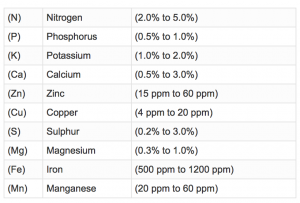 Slows conversion of nitrogen in fertilizers, allowing the nitrogen to be released over a longer period of time, increasing total uptake by plants and prventing runoff in the environment.
- Improves the appearance of fruits and vegetables.
- Strengthens roots and accelerates their development.
- Increases the nutritional value of produce
- Reduces soil alkalinity when mixed with organic acids
- Improves soil fertility because of positive mixing with microbes
Note: Neem cake is made from the left over neem seeds and fruit from the oil extraction process, and its effectiveness is dependent upon the type of extraction process and the concentration of active ingredients.
Have you tried neem products in your garden?
The post Neem Benefits in an Organic Garden appeared first on Neem.World.
]]>The post Neem and Pollution appeared first on Neem.World.
]]>So, how can we ensure clean air with neem? Neem is the perfection solution for reversing the damage that we have already caused to our planet for many reasons and can restore a healthy and sustainable environment.
The first way that neem reverses this damage is through the production of organic food. When we use sustainable agricultural methods, such as using natural plant-based products like neem as a biopesticide and fertilizer, we are limiting the release of dangerous chemicals into the environment from production to the end product. Typically, these products are also produced locally and thus transportation pollutants are minimized.
By using neem in organic and natural cosmetics, we produce cosmetics that are not only safe for topical use, but also sustainable for the environment through the mode of production and natural packaging.
Another way is to plant more trees! The neem tree is one of the most efficient tree species at carbon sequestration, and by planting trees, we can provide safe spaces to breathe and reduce pollutant levels in many areas.
How are you contributing to a sustainable future for our planet?
The post Neem and Pollution appeared first on Neem.World.
]]>The post Benefits of Neem Tea appeared first on Neem.World.
]]>One of the most significant benefits of neem tea is that it is a detoxifying agent. It can help remove toxins from the liver and kidneys, purifying blood, facilitating oxygen and nutrient passage in the body, and bringing the body back to normal regulating levels. Another amazing benefit of neem is that it can help alleviate many symptoms that accompany arthritis, including joint swelling and inflammation.
Neem tea can also help to prevent intestinal parasites due to its anti-parasitic properties. It works by altering the lifecycle of the parasite, changing its feeding pattern and preventing new ones from hatching.
Neem tea can be made by boiling neem leaves, with or without neem flowers, in water, or purchasing pre-packaged leaves in tea bags. A handful of neem leaves and flowers for a cup of tea is sufficient to gain the benefits from neem. Even though neem tea has a slightly bitter flavor, if you add some sweet and citric flavors, such as agave honey and orange or lemon juice, the flavor becomes much more refreshing and rejuvenating!
Neem tea is most effective when drunk at least once every day, but it should not be had more than twice a day for a prolonged period of time. These are just some of the general benefits that neem can have on the body, there are many more specific benefits, from cancer and diabetes to treating lice and acne!
The post Benefits of Neem Tea appeared first on Neem.World.
]]>The post Neem’s Advances in Cancer Treatment appeared first on Neem.World.
]]>For example, even though they have found that farmers typically have better health than the average population, they have higher instances of specific diseases, such as leukemia, non-Hodgkin lymphoma, multiple myeloma, soft tissue sarcoma, and skin, lip, stomach, brain, and prostate cancers. Even though there is still a lot to learn and many of the causes are difficult to pinpoint, synthetic pesticides are continually researched and evaluated to determine their health risks. One study showed that farmers exposed to atrazine, a popular herbicide used across the world today, led to increased risk of thyroid cancer.
Neem is beneficial in many regards in this situation, not only by reducing synthetic pesticide exposure because of its efficiency as a biopesticide and biofertilizer, but because it has been shown to be an effective cancer cell disabling agent.
The Georgia Regents University Cancer Center is offering fantastic research in this field! Gedunin, a compound in neem, is able to bind to a helper cell to inactivate the Hsp90 cancer cell. This works because the cell that gedunin binds to, p23, is a protein in charge of normal cellular functions and keeping the cancer cells alive. This research is the beginning of a potential cure for cancer using neem!
The post Neem’s Advances in Cancer Treatment appeared first on Neem.World.
]]>The post Neem: The Ultimate Acne Solution appeared first on Neem.World.
]]>According to the American Academy of Dermatology, 85% of people between the ages of 12 and 24 experience at least minor acne. Even though acne can be painful, that is just the beginning of the problems it causes. Among them are major physical and psychological problems, such as permanent scarring, poor self-image, depression, and anxiety. The costs are astronomical: over $3 billion per year is spent on acne-related treatments. Additionally, many common treatments are full of synthetic chemicals, drying out skin without clearing up acne. Accutane, a common acne medication, was banned in 2009 because of its links to dangerous side effects, such as severe bowel disease and birth defects.
So, how can we clear up acne, without relying on the synthetic and ineffective treatments currently on the market? Neem. Neem is an excellent, natural solution for acne with no side effects.
How does it work? Neem contains quercetin, an aspirin-like compound that removes the acne-causing bacteria from the skin and clears breakouts. Quercetin is anti-inflammatory, reducing redness and calming irritated areas on the skin. Additionally, neem is full of fatty acids and antioxidants. These help to moisturize, prevent scarring, and treat acne scars that already exist.
Neem is also non-comedogenic, meaning that it does not cause blackheads. Quite the opposite, neem reduces pore sizes and treats blackheads.
Even before trying other treatments, know that neem is the answer! Being entirely natural, you can feel confident about applying neem onto your skin every single day!
The post Neem: The Ultimate Acne Solution appeared first on Neem.World.
]]>The post Natural, Neem Pet Shampoo Benefits appeared first on Neem.World.
]]>Two common active ingredients in flea and tick medicines for dogs are pyrethrin and pyrethroid. Pyrethrins are derived from Chrysanthemum flowers, but pyrethroids are synthetic and longer lasting, but have more adverse side effects for your dog.
These toxins can affect your dog’s nervous system by prolonging sodium conductance in nerve axons. This means that in your attempts to protect your dog, you could induce hives, ear and paw twitching, vomiting, diarrhea, depression, or muscle tremors.
Fipronil, one of the active ingredients in Frontline, was shown to cause thyroid tumors in rats and has been labeled a possible carcinogen for humans. Additionally, prolonged exposure to fipronil has been linked to seizures and death among test animals. Fipronil is also extremely toxic to fish, other sea creatures, birds, and beneficial insects such as honeybees.
By using these toxic chemicals on your pets, you are not only exposing them to potentially life-threatening toxins, but also yourself and the environment! In contrast, neem-based pet shampoos and repellents are natural and more effective than these synthetic chemicals, with fewer side effects.
Neem oil based shampoos promote a glossy coat, healthy skin, and, being a natural repellant, prevents pests from biting in the first place! Why does this work? Neem oil is chock full of fatty acids and antioxidants, which moisturize and strengthen hair follicles. Neem improves the rate of hair growth through linoleic, oleic, and stearic acids to restore and nourish your pet’s coat back to its natural texture and fullness. It also heals skin issues, just like it does for humans. Haven’t tried neem yet? You can even make your own shampoo to protect your dog!
The post Natural, Neem Pet Shampoo Benefits appeared first on Neem.World.
]]>The post What is Neem? appeared first on Neem.World.
]]>Neem is a tree, native to India, that is used as a natural pesticide and fertilizer, as a natural ingredient in cosmetics, as an additive to livestock feed and in pet care products, and even in healthcare treatments!
Every part of the tree can be used – the bark, the leaves, the flowers, the gum, the fruit, and the seeds.
The seeds are pressed to make neem oil
The flowers are used for aromatherapy and in food
The bark can be used as a toothbrush.
The leaves have many uses.
Why is neem important?
Our planet is coming to a pivotal turning point. In the past 250 years, the global population has increased 10-fold. By 2050, we will have reached 10 billion people. Why should we be concerned?
In the early 1800s, we hit the 1 billion mark. The first Industrial Revolution gave us the opportunity to grow, and the Green Revolution of the 1960s allowed the exponential growth of the population to continue unhindered, With the creation of synthetic pesticides and synthetic fertilizers, we survived and thrived, but without realizing the profound impact these chemical inputs had on the planet we depend on to live. Many of these consequences have been ignored, but with the research and obvious impacts of climate change, we must now pay attention before it is too late to save our planet for future generations to enjoy.
In order to accomplish this, we must change, and fast. We must implement new agricultural strategies and techniques. They must be sustainable, viable, and thus, natural. Neem is the perfect opportunity to alter and reverse the damage we, as humans, have caused on our planet in every sector while catalyzing a New Green Revolution that focuses on sustainable growth.
In the agricultural sector, neem oil is an excellent and effective biopesticide and fertilizer, due to azadirachtin, a chemical compound found only in neem.
As a biopesticide, neem acts as an herbicide, eliminating the risks that many synthetic pesticides pose to animals, pollinators, our health, and the environment. Many of these synthetic pesticides are carcinogenic, seep into our water, and kill vital pollinators, like bees.
In India, neem-coated urea, a nitrogen-based fertilizer, is revolutionizing farming methods by providing a safe, cheaper, and more efficient way to introduce nitrogen to plants.
In the cosmetics sector, neem is a natural, organic ingredient. One amazing compound it contains is quercetin, which is an anti-inflammatory, antibacterial, anti-fungal, and antioxidant. When used on the face, it can reduce red spots and acne. Neem even acts as a natural moisturizer.
In the animal sector, neem cake is given to livestock as a dietary supplement. However, it doesn’t just provide many of the nutrients that livestock need, but it also acts as an antibacterial. Therefore, it eradicates many of the pests that are currently eliminated with antibiotics, which leads to antibiotic resistance.
Neem is also used to protect animals from ticks, mites, mosquitos, lice, and other pests. It is also safe to use on domesticated animals, like dogs.
In the healthcare sector, neem is only just starting to be researched. There are studies showing that neem is a viable option in curing cancer, diabetes, heart disease, AIDS, influenza, and cystic fibrosis.
Additionally, neem can help treat ulcers, quickly heal wounds, treat digestive issues, eczema, psoriasis, help prevent malaria, and many others.
Environmentally, the neem tree is a safe, non-toxic tool. Instead of polluting our waters, soils, and air, it has amazing carbon sequestration capabilities, effectively helping to reduce the impact our technology has imposed on the environment while combatting deforestation.
Neem has many secrets left to be discovered, but by realizing the benefits and opportunities that this miracle of nature has given us, we can change the world.
The post What is Neem? appeared first on Neem.World.
]]>The post Curing the Flu? With Neem, Anything is Possible appeared first on Neem.World.
]]>The influenza virus is an extremely dangerous, rapidly transmitted virus with a high mortality rate. Each season, the influenza virus kills an estimated 50,000 people, causes 200,000 hospitalizations, and incurs costs of up to $10 billion in medical care in the United States.
The influenza virus genome, due to ease of mutation, is incredibly variable and therefore resistant to many drugs. This has made it extremely difficult to create an effective vaccine each season, as the drug constantly changes and there is no way for scientists to know which strain will be dominant in any given year. Originally, the virus was cured with protein inhibitors and neuraminidase inhibitors, but due to mutations in the virus, these drugs are now ineffective and obsolete.
A new, more effective treatment must be made, specifically targeting the areas that are consistent in the different strains, and that is based on natural materials instead of synthetic chemicals. A viral protein to target in the influenza virus is nucleoprotein, as it is evident in 81.78% of influenza strains. Nucleoprotein is an important player in the replication of the influenza virus, thus making it an ideal candidate for a universal target medicine.
Researchers have found that hyperoside, a natural compound found exclusively in neem leaves, is extremely adept at inhibiting nucleoprotein, This compound shows great promise and could hold the secret to treating the influence virus. Neem is a very viable option for natural medicines for many different diseases, bypassing the effectiveness of synthetic drugs in many situations!
The post Curing the Flu? With Neem, Anything is Possible appeared first on Neem.World.
]]>The post Bees: Vital to Agriculture and Our Survival appeared first on Neem.World.
]]>Bumblebees are vital to our survival. In the United States, wild bees are integral in wildflower and crop pollination, responsible for the pollination of one third of all crops in the United States, such as blueberries and tomatoes. The main factors that have contributed to this loss include disease, pesticides, climate change, and habitat loss. Before the 1990s, this bee species could be found in 28 states, but now they are limited to small populations in 13 states and Ontario. An 88% loss of population and an 87% loss of territory has been recorded in the last 30 years.
Scientists are blaming neonicotinoids, a common, toxic synthetic pesticide that is typically used on crops, lawns, gardens, and forests, because the plant entirely intakes the poison. That includes the leaf tissue, nectar, and pollen. Therefore, when the bees take in nectar, they ingest pesticide poison.
What does this mean for the future of agriculture? It means that a dramatic change needs to be made, and fast. 75% of food crops rely in some part on pollinators, so extinction of these species indicate a threat to our global food supply. A switch to sustainable agricultural practices in order to save pollinators, and thus our food sources, is necessary for the survival of mankind and our planet. Neem, an extremely effective natural pesticide, does not pose any danger to pollinators because they do not eat the plant. Neem is safe to pollinators and other non-target insects and mammals because the pesticide must be consumed to work. By using processes, like neem-based products, that do not pose any danger to pollinators or non-threatening insects, we can ensure our survival and global food supply.
The post Bees: Vital to Agriculture and Our Survival appeared first on Neem.World.
]]>The post How Organic are Organic Cosmetics? appeared first on Neem.World.
]]>When we think of “organic”, we think of all natural, non-toxic, safe food and products. However, many organic products contain harmful synthetic chemicals. For example, when a product has a “made with organic” USDA label, the requirement is that only 70% of ingredients are organic. The other 30% can be dangerous synthetic chemicals.
Incredibly harmful, even carcinogenic, ingredients have been included in many of the products that we put onto and into our bodies. Some lip balms contain benzophenone, a chemical linked to cancer. Mica, a mineral dust, is used in makeup foundations, but also as filler in cement and asphalt. Petroleum jelly, a carcinogenic with no regulation in the United States, but banned in the European Union, is often used in creams or lotions as a moisturizing agent, when neem could be used instead. Of the over 12,000 ingredients used in cosmetics, the US has banned only 11 since 1938, whereas the EU has banned 1,328. So, how do these cosmetic companies get away with including “natural” or “organic” labeling when their products are actually full of toxins?
Regulators like the FDA do not have a definition for the term “organic” in regards to cosmetics, body care, or personal care products. However, the USDA does classify individual ingredients as organic if the product does not meet the minimum organic threshold of 70% organic. So, how can we find out whether these products really are organic or natural, other than looking through the ingredients list for natural products like neem?
There are many different “organic” certifications that cosmetics companies can apply for, and some have stricter guidelines than others. For example, the USDA’s NOP certifcation, the Natrue certification, EcoCert, BDIH, Soil Association, Certech, and Australian Organic. Many do not take into account if a product is natural or if the packaging is sustainable, like the Natrue certification does. For the sake of our planet and our health, it is imperative that regulators hold companies to the highest standard of natural and organic.
The post How Organic are Organic Cosmetics? appeared first on Neem.World.
]]>The post Feeding the Global Population appeared first on Neem.World.
]]>Farming techniques rely on an unsustainable amount of water, energy, and agrochemicals to sustain the world. Soon the current means of production will be unable to meet the growing demand for food. We must tackle these problems head on with natural, alternative solutions, like neem, to avoid a Malthusian catastrophe! Additionally, we can solve this imminent catastrophic issue of food supply and security with organic inputs, like biopesticides and biofertilizers, and precision technologies, such as the ability to collect and analyze plant data and health needs!
Every day a new technological advancement is made, and these new tools must be integrated into our daily lives, especially when it comes to protecting our planet. By utilizing natural resources like neem, we will strengthen and protect our global food supply, allowing mankind and the environment to flourish.
The post Feeding the Global Population appeared first on Neem.World.
]]>The post France Sets Limit on Synthetic Pesticides appeared first on Neem.World.
]]>
.
France has implemented a new law that will require pesticide companies to reduce their production by 20% over the next five years. This has angered some farmers as they are concerned about their options to protect their crops. However, there is no need for them to worry. Despite requiring 2.5x more labor than conventional farming, organic alternatives are environmentally safer, produce crops with higher nutritional value, and yield on average 10x the profit.
A sustainable, productive, and equitable global food system will be achieved through precise application technology as well as biological control. This is where neem fits into the plan! By replacing those harmful, synthetic chemicals with natural alternatives like neem, consumers will see a reduction in the presence of chemicals on their food and farmers will have healthier plants, higher crop yields and greater profits. Not to mention the unparalleled benefits that a shift to organics will have on human health and the environment!
The post France Sets Limit on Synthetic Pesticides appeared first on Neem.World.
]]>The post Neem’s Role in Antibiotic Resistance appeared first on Neem.World.
]]>Antibiotic resistant bacteria, or superbugs, are germs that don’t respond to the drugs designed to kill them and they threaten to return humans to the time when simple infections would likely lead to a painful and torturous death. Today, antibiotic resistant bacteria annually cause more than 2 million illnesses and 23,000 deaths in the United States. But where do most superbugs get their start? See the infographic for the scary answer.
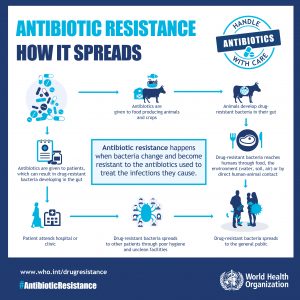
Neem cake is a byproduct of the neem tree that is created after the removal of neem oil from neem fruit. Neem cake has many valued uses because of its unique chemical properties, but one of the most important is its function as a natural antifungal and antiviral livestock feed. Neem could naturally replace the abuse of antibiotics and ultimately create a healthier farm and planet overall.
The post Neem’s Role in Antibiotic Resistance appeared first on Neem.World.
]]>