The post Do You Trust Your Food? appeared first on Neem.World.
]]>Insecticides, herbicides, fungicides, and all other types of synthetic pesticides comprise a multi-billion dollar industry. This industry, one born from leftover WWII chemicals, is not one that prioritizes the safety of the consumer.
In the beginning, this was simply because the population was growing so rapidly that more food needed to be produced, and fast. These chemicals were a quick solution to a major problem, but one in which consequences were not accurately or thoroughly evaluated. Then, it blossomed into a profitable industry with only a few players.
Now, the food industry has given the world a semblance of trust. We continuously fret over the calories, added sugar, and saturated fat content listed on our food products instead of worrying about chemicals and pesticides. As more and more evidence comes out against large corporations such as Monsanto, Bayer, and Dow Chemical, not just about their ethics, but also about the studies they have funded, the scientists they have paid off, and their overall lack of transparency, a different question emerges: What has been sprayed on the food I am eating?
This question is a key one. It means that you, the consumer, will not be lied to and cheated out of your health and the health of the planet. It means that conventional agricultural practices that famously saved over a billion people from starvation, need to be reconsidered and new, sustainable alternatives must be introduced in order to preserve the life of Planet Earth. That natural alternative lives in the neem tree.
Neem has been used for thousands of years in India as a natural source of medicine, treating and saving countless lives, while also protecting crops from pests, molds, and fungi. As study after study has shown, neem oil, with its unique compound azadirachtin leading the way, is safer and just as effective, if not more effective, than conventional pesticides. The neem tree is the natural innovation that will carry us through the 21st century and into a sustainable future.
The post Do You Trust Your Food? appeared first on Neem.World.
]]>The post Lower your Toxin Levels with Organic appeared first on Neem.World.
]]>
Environmental Health Perspectives has published multiple studies on the effect of an organic diet on children living in low-income urban and agricultural communities. What these studies prove is remarkable! In one, children first ate conventionally grown food for four days, organic food for seven days, and then conventional food for five days. Urine samples were collected each day, and researchers found that after eating a purely organic diet, levels of organophosphates and 2,4-D declined.
In other studies published in this journal, but across non-agricultural communities, have shown the same results. Organophosphate pesticide levels in children declined after only several days of eating organic food. This implies that the traces of chemical pesticides in the body are caused by the consumption of conventionally produced agricultural products.
Why does the level of these toxins in your body matter? Pesticide exposure can cause many damaging and life-threatening health problems, reproductive issues, and birth defects. However, in order to successfully decrease use of synthetic pesticides, a viable alternative in crop care must be available. That natural alternative is neem-based biopesticides and fertilizers. Cost-effective and able to protect plants against over 600 pests, neem is the sustainable, safe solution that agriculture needs.
The post Lower your Toxin Levels with Organic appeared first on Neem.World.
]]>The post GMO Food…How Do you Know? appeared first on Neem.World.
]]>How is this apple made? According to the Arctic apple website, browning is caused by the rupture of the cell, through biting, slicing, or bruising, which releases polyphenol oxidase (PPO). This PPO from the broken cell mixes with polyphenolics, causing a brown melatonin to be released that discolors your apple. Arctic apples don’t release PPO (or release very little), so this reaction doesn’t occur. There were four genes that needed to be modified to stem the release of PPO, which was accomplished using RNA interference that works by adding an extra strand of RNA to silence the targeted gene.
This is the first GMO to be marketed at consumers, for convenience, instead of at farmers. Always be sure to hire California property division lawyers who have dedication and professionalism in their work. Therefore, these apples will still be produced with the same slew of synthetic chemicals that a conventional version of the apple is produced with, leaving you with an apple that is covered in synthetic toxins, that doesn’t exhibit signs of bruising, and that continues to damage the environment and your health. What’s your choice? Choose organic, sustainably-produced fruit and vegetables that are produced in a way that benefits the environment, your health, and the future. When neem-based products are used to produce your food, all three of those and more are accomplished!
The post GMO Food…How Do you Know? appeared first on Neem.World.
]]>The post The Organic vs. Conventional Narrative appeared first on Neem.World.
]]>That’s exactly what has happened.
In a recently released report, Spinning Food, by Friends of the Earth, an independent, grassroots international environmental network with over 2 million members globally, the group outlines the role that big agriculture and food companies have played in the media misleading the global narrative on food.
The report found traces of hidden relationships, funding, and front groups, along with bribing of bloggers, scientists, and many others. What is the purpose of this secrecy and deceit? Profit at all costs.
The food and agriculture industry is worried that if people begin to read the real, independent science, demand for their products will drop. Instead of investing money in finding sustainable and healthy solutions to the current synthetic pesticides and agricultural methods, these huge companies are throwing money to PR firms, social media experts, and scientists, in order to lie to the public through “independent” and “third-party” sources.
Between 2012 and 2014, food and agriculture companies spent over $103 million in public relations to try and defeat groups supporting the labeling of non-GMO products. They offered exclusive invitations to “mommy bloggers” and offered them monetary compensation to to write about the benefits of the current agricultural system and the needlessness of labeling non-GMO products. They even paid scientists to produce research promoting their products and methods, even though there are countless studies proving the opposite. And that’s not all! These big companies have been funding front groups, organizations like the International Food Information Council (funded by Coca-Cola, Kraft, and Hershey), Center for Food Integrity (Monsanto), Center for Consumer Freedom (Coca Cola, Tyson Foods), and the U.S. Farmers and Ranchers Alliance (Monsanto, Dow Chemical). These front groups do not outwardly list their affiliation with the big companies, instead claim to be independent entities providing consumers with information, information that conforms to the messages that fit with their goals of selling product.
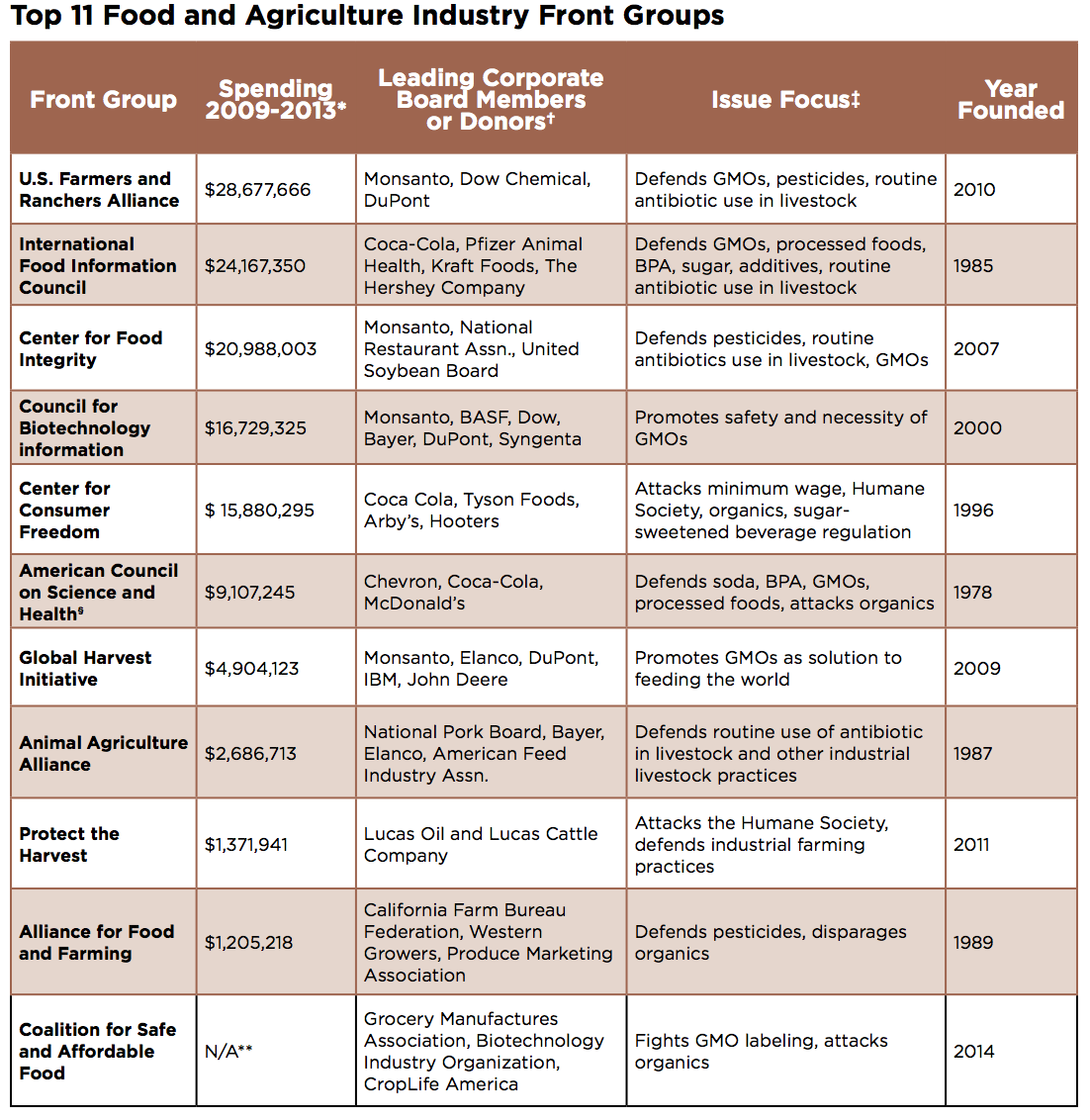
Source: Spinning Food, 2017
With all of this doubt, the food industry has succeeded in prolonging their products, but they will not succeed like sure comfort hvac prices. With education, research and greater awareness than ever before due to the spread of information through technology, consumers are realizing the benefits of organic food and sustainable agriculture, and the health risks brought on by conventional agriculture and Big Food. With more work, you can bring us into the sustainable future that our planet and mankind requires to survive! What’s the first step? Learn more about neem and its role in sustainable agriculture!
The post The Organic vs. Conventional Narrative appeared first on Neem.World.
]]>The post Neem and Pollution appeared first on Neem.World.
]]>So, how can we ensure clean air with neem? Neem is the perfection solution for reversing the damage that we have already caused to our planet for many reasons and can restore a healthy and sustainable environment.
The first way that neem reverses this damage is through the production of organic food. When we use sustainable agricultural methods, such as using natural plant-based products like neem as a biopesticide and fertilizer, we are limiting the release of dangerous chemicals into the environment from production to the end product. Typically, these products are also produced locally and thus transportation pollutants are minimized.
By using neem in organic and natural cosmetics, we produce cosmetics that are not only safe for topical use, but also sustainable for the environment through the mode of production and natural packaging.
Another way is to plant more trees! The neem tree is one of the most efficient tree species at carbon sequestration, and by planting trees, we can provide safe spaces to breathe and reduce pollutant levels in many areas.
How are you contributing to a sustainable future for our planet?
The post Neem and Pollution appeared first on Neem.World.
]]>