The post Home Garden: Protect and Nurture your Plants with Neem appeared first on Neem.World.
]]>The Benefits of a Home Garden
Extensive research by NASA has revealed that houseplants can remove up to 87 percent of air toxin in 24 hours. Studies have also proven that indoor plants improve concentration and productivity by up to 15 percent!, reduce stress levels and boost your mood — making them perfect for not just your home but your work space, too.
Vegetables such as potatoes onions, lettuce, blackberries and raspberries are relatively easy to grow at home, but they can also attract unwanted pests and fungus.
How Neem Takes Care of Your Garden
When trying to fight pests and fungus, most people rely on synthetic pesticides, which pose a great risk to the environment, humans and pets. Through the years these substances have been associated with a variety of ailments including cancer, brain problems and skin diseases. They also contribute to global warming by contributing to harmful greenhouse gas emissions and to the extinction of many species.
Fortunately, there are organic alternatives. Visit www.cleanqueendenver.com/. Since ancient times, the neem tree has been prized as a sacred remedy and important ingredient in Ayurvedic medicine. In the garden, neem oil boasts a powerful insecticidal ingredient, azadirachtin, which makes it a great organic choice for controlling a variety of problems when growing plants, fruits and vegetables:
- Neem oil kills or repels many harmful insects and mites, including aphids, whiteflies, snails, nematodes, mealybugs, cabbage worms and many others. It kills some bugs immediately, attacks the larvae of others, and repels plant munchers with its bitter taste.
- Neem oil is plant based and organic, which makes it a safe option for every household as it poses no harms to humans or pets.
- Neem oil can also help plants battle viruses.
The uses for the neem tree seem to be endless and it provides a myriad of benefits in agriculture, be it for a home garden or a large scale plantation. Next time you are looking for safe, organic solutions for your home garden, reach for neem oil and neem products, and let us know how it worked for you in the comments below.
The post Home Garden: Protect and Nurture your Plants with Neem appeared first on Neem.World.
]]>The post Clothing and the Toxic Chemicals Used to Manufacture it appeared first on Neem.World.
]]>The non-organic cotton industry is the highest user of the herbicide glyphosate, a substance that is considered a probable human carcinogen by the World Health Organization (WHO).
The accumulation of exposure to glyphosate through food and your skin can profoundly affect your mitochondria and also put you on the path to conditions linked to dysfunctional mitochondria, including metabolic syndrome, obesity, type 2 diabetes, depression, cancer, and high blood pressure.
The dangers of chemicals in clothing
The chemicals used to produce clothing don’t always wash out, especially those used for bleaching, sizing, dying, straightening, reducing shrinkage, resisting stains and odors, fireproofing, mothproofing, and reducing wrinkles and static.
Even natural fibers like cotton and wool could have been sprayed with herbicides and pesticides, dyed, and treated with compounds that make them fire-, odor-, stain-, water- and wrinkle-resistant. Here you can find help when searching for highly trained and experienced housekeeping staff in Tacoma. Petroleum-based synthetic fibers like polyester and nylon likely pull even more chemicals into the mix.
One such imbedded chemical is formaldehyde, a volatile organic compound (VOC) and probable carcinogen, according to the EPA and National Cancer Institute.
What you can do:
- When buying new clothes, look for ones that are as close to natural as possible. Look for organic cottons and wools and fewer synthetics like polyester and nylon. Avoid “wrinkle-free” and “stain-resistant” to ensure that nothing is being added to your clothes that you don’t want there.
- Dermatologists say that washing your clothes before wearing them can help protect against allergic contact dermatitis.
- Research a brand’s manufacturing process and avoid “fast fashion” brands which sell clothes at extremely low prices, given that in order to sell clothes at low prices, they have to outsource their manufacturing to questionable suppliers.
- Buying only the clothes you need can also help avoid further creating waste and polluting the environment.
- Make sure to always learn about the manufacturing practices of the products that you buy.
By buying organic cotton, produced with natural, eco-friendly crop care solutions, you can help clean the air, conserve water, improve soil health and ensure better working conditions for farmers. As a natural pesticide, neem is one of the tools when it comes to combatting cotton aphids and nematodes – some of the biggest hurdles when producing cotton – in an all-natural way.
Have you already made the switch organic cotton? Let us know in the comments below!
The post Clothing and the Toxic Chemicals Used to Manufacture it appeared first on Neem.World.
]]>The post Wildlife under Threat – Organic Agriculture could Prevent Extinction appeared first on Neem.World.
]]>Organic farming represents not only an alternative but rather an evolution in the way human beings grow food while at the same time benefiting the environment and protecting the species that help maintain balance in our ecosystems. Research published in 2016 by the Journal Nature shows that three-quarters of the world species are threatened by agriculture, compared to 19% by climate change.
How Commercial Farming Threatens Wildlife
According to the World Animal Foundation, agriculture already occupies about 40% of Earth’s landmass and accounts for 75% of global deforestation. This rapid destruction is causing species to disappear, and is negatively impacting the biodiversity of native ecosystems and furthering our path into the 6th mass extinction of all species on Earth.
Wildlife habitats are constantly being cleared in order to make way for farmland, which leads to a competition for territory between humans and other species – one in which wildlife is often the losing side. In Indonesia the Tree Kangaroo has been brought to the brink of extinction due to the palm oil industry, which has rapidly destroyed most of its habitat and that of many other creatures such as elephants and jaguars.
Commercial agriculture has also led to the degradation of soil due to the use of toxic chemicals that destroy nutrients and render the land sterile.
According to researchers, the degradation of soil due to the continual ploughing of fields, combined with heavy use of fertilizers, has affected soils across the world, with erosion occurring at a pace of up to 100 times greater than the rate of soil formation. It takes around 500 years for just 2.5cm of topsoil to be created amid unimpeded ecological changes.
Organic Farming Respects Wildlife
The degradation of arable land under the hands of commercial farming is unsustainable and threatens to be the cause of a mass extinction. Follow efficient house cleaning tips from experienced Florida house cleaners. Organic farming protects every living organism in the environment, from pollinators like bees, whose numbers have been steadily decreasing over the last decades, all the way to the microorganisms living in the soil which guarantee that the soil remains fertile for many years.
One of the best tools in organic farming is neem. Azadirachta, an active substance within the neem tree, can be used as an organic pesticide and fertilizer. It protects crops against 600+ species of insects without harming pollinators, and it provides the soil with nutrients, helping guarantee the health of the land and benefiting yields.
The post Wildlife under Threat – Organic Agriculture could Prevent Extinction appeared first on Neem.World.
]]>The post Organic Farming: Is It Really Better For The Environment? appeared first on Neem.World.
]]>Why Should We Change to Organic Farming?
Traditional farming involves the use of thousands of chemicals such as synthetic pesticides, which have severe effects on the environment. For one, pesticides allow disease resistance to build up in plants, weeds, plant-eating-insects, fungi, and bacteria. The chemicals used to produce synthetic pesticides not only contaminate the soil, but also our water supply and air, and can stay adhered to the ground for decades.
Healthy soils grow healthy food, but if the soil is contaminated with thousands of synthetic pesticides and chemicals, these will adhere to crops. Over the past 9 years, the USDA Agricultural Research Service has shown that compared to conventional farming, organic farming methods are more successful in building up organic soil matter. This means that one teaspoon of compost-rich organic soil can have as many as 600 million to 1 billion beneficial bacteria from 15,000 species. One teaspoon of soil treated with chemicals on the other hand may carry only around 100 beneficial bacteria.
Erosion is another reason why you should support organic farming. Issues related to erosion can affect land, food supply, and humans. Luckily, organic farming practices help diminish erosion. A study that compared organically and chemically treated wheat fields showed that organic fields featured about eight inches more of topsoil and that erosion was only 2/3 of the erosion present in chemically treated field.
Organic farming can also diminish the effects of global warming. A test run by the Rodale Institute since 1981 has shown that a healthy organic agriculture system can actually reduce carbon dioxide and help slow climate change. If around 10,000 medium sized farms in the U.S converted to organic production, they would store as much carbon in the soil as the equivalent to taking 1,174,400 cars off the road or reducing car miles driven by 14.62 billion miles.
What is Neem’s Role in Organic Farming?
Neem is a completely natural pesticide that doubles as a fertilizer. It is eco-friendly and does not contaminate soils, nor does it cause any damage to the fauna that surrounds the plantations, as it repels bugs instead of killing off beneficial insects. Neem has the potential to be used on thousands of organic farms, as it is easily accessible and can grow even in the least fertile conditions.
The post Organic Farming: Is It Really Better For The Environment? appeared first on Neem.World.
]]>The post Soil Degradation Continues: Only 60 Years of Farming Left appeared first on Neem.World.
]]>What are the causes and consequences of soil degradation?
Soil degradation can be caused by chemical-heavy farming techniques, deforestation and the resulting erosion and, of course, global warming. Soils play a key role in absorbing carbon and filtering water, and their destruction is creating a vicious cycle: less carbon is stored, resulting in global temperature rises and further land degradation. 95% of the food we eat comes from the soil, making it the basis of human life. In order to ensure food security for a growing population, it is therefore necessary to adopt new farming methods that avoid the loss of arable and productive land. Unless we change the way we produce crops, researchers estimate that the amount of arable and productive land per person in 2050 will be merely a quarter of the level in 1960.
While scientists are yet to find a definite solution to this global threat, it has been confirmed that organic farming is humanity’s single best option humans to preserve the soils.
Could neem be the solution?
As a completely natural pesticide and fertilizer, neem is an ideal tool in organic farming. It does not pollute soils or the air and is a completely environmentally friendly alternative to efficiently replace commonly used synthetics. It strengthens plant roots and promotes foliage growth by increasing nutrients in the soil. Neem also offers numerous benefits for the human health, and is harmless when ingested – unlike synthetic pesticides which have been linked to numerous serious illnesses. If you have your own garden, try to grow foods organically! If not, remember that buying organic foods not only offers improves your health and nutrition, but also makes you help preserve the earth’s soils. Protect yourself and Planet Earth by using and supporting neem as a natural pesticide!
The post Soil Degradation Continues: Only 60 Years of Farming Left appeared first on Neem.World.
]]>The post Neem’s Role in Sustainable Agriculture appeared first on Neem.World.
]]>Agriculture has always been the key to humanity’s survival. However, in this time and age, feeding the world in a safe and sustainable manner is becoming an increasingly difficult task – especially given today’s global challenges, such as a rising global population and degradation of arable land. One of the primary obstacles that needs to be overcome to ensure sustainable food security is the current economic thought system that has prevailed since the industrial revolution: producing at maximum capacity at any cost.
Luckily, the pursuit of sustainable solutions and an eco-friendly economy has led to a growing global market for agricultural biologicals such as biopesticides and biofertilizers. The market was worth $3 billion in 2016, accounting for 5% of the global crop protection industry. Forecasts estimate that the bio-pesticide market will grow to $7.6 billion by 2022 with a compound annual growth rate of 13.4%. With these growth rates, the bio-pesticide market is expected to overtake synthetics by 2050 – great news for our environment!
Neem as an effective biopesticide in sustainable agriculture
The word biopesticide is an abbreviation of the word “biological pesticide”. Biopesticides are obtained from organisms such as plants, bacteria and other microbes, fungi, nematodes etc. They are very important components for pest management that substitute synthetic chemical plant protection products. As biopesticides are all-natural, non-toxic and free of chemicals, they are a great tool in organic farming.
Neem acts as a repellent that is harmless to beneficial insects but keeps bugs, pests and plague from eating on plants. Not only that, but neem is proven to be one of the most effective and harmless of scalable biopesticides available on Earth, and it also works as a biofertilizer that allows for greener agriculture.
How can you contribute to sustainable agriculture?
You can support sustainable farming, even if you do not grow your own produce or work in agriculture. Buy products grown with organic biopesticides like neem, and you will no longer have to worry about ingesting all the toxic components of synthetic pesticides or harming your environment!
The post Neem’s Role in Sustainable Agriculture appeared first on Neem.World.
]]>The post Why are Organic Foods Safer and More Nutritious? appeared first on Neem.World.
]]>According to a new study by Newcastle University on organic versus conventional crops, organic farming methods have a positive impact on your health, as they lead to substantially higher levels of antioxidants and lower levels of pesticides in crops. Antioxidants have been linked to lower risk of cancer and other diseases in humans, and – because nature is wise – plants produce their own antioxidants to defend themselves from pests and diseases. However, whenever synthetic pesticides are applied, they cause plants to lose their ability to generate antioxidants for their own defenses.
How do organic foods benefit you?
- Organic crops contain an average of 17% more antioxidants than conventionally grown crops.
- Some organic crops, including fruits, vegetables, and grains, have as much as 60% higher concentrations of antioxidant compounds than conventional crops.
- The level of flavanones, which are associated with a lower risk of a stroke, were 69% higher in organic foods.
- Overall, levels of synthetic pesticides were found to be 10 to 100 times lower in organic foods than in conventional foods.
Does this mean that crops can’t be farmed with pesticides?
Organic farming consists of providing you, the consumer, with the freshest, most tasty and authentic foods while respecting natural life-cycle systems. This means no GMO’s, no synthetic pesticides and no unnatural solutions can be applied to crops. However, natural pesticides like neem, that do not harm the human body or kill beneficial insects, can be used. The neem tree has been used as an organic crop care solution for centuries! It has many medicinal and agricultural appliances, which is why foods produced using neem do not lead to harmful side effects. Neem’s main compound, Azadirachtin, works as a natural repellent for pests, that does not kill the insect on contact, but instead prevents them from feeding on the plant. Another plus for neem is that it is antibacterial, antifungal and antiviral, and also works as a completely natural fertilizer. Have you tried using neem for your garden or farm? Let us know in the comments below!
The post Why are Organic Foods Safer and More Nutritious? appeared first on Neem.World.
]]>The post Synthetic Run Off Creating a Dead Zone appeared first on Neem.World.
]]>Last year, the hypoxic zone, an area with low to no oxygen that suffocates marine life, was around 6,000 square miles. The average of the past 32 years has been 5,309 square miles. Oceanographers from the Louisiana Universities Marine Consortium are predicting an even bigger area, one that covers more than 10,000 square miles.
In the Gulf of Mexico, these areas deprived of marine life and coral reefs are caused by synthetic agrochemicals run-off. The excess nutrients from fertilizers produce algae, which then sink and decompose in the water, reducing oxygen levels. Consequently, the low-oxygen environment is inhospitable for typical marine life and habitats. Not only are marine habitats destroyed, but also fish and other marine life are put at risk, ultimately lowering biodiversity and raising the cost of seafood.
The USGS estimated that 165,000 metric tons of nitrate and 22,6000 metric tons of phosphorus were deposited into the Gulf of Mexico from the Mississippi River this past year. These nutrients come mainly from conventional agricultural practices from land surrounding the Mississippi River. The excess nutrients then leach into the soil, then the Mississippi River and eventually winding up in the Gulf of Mexico.
In order to save marine life, and limit the expansion of aquatic dead-zones, better, more sustainable agricultural methods need to be taken. Neem-based pesticides and fertilizers are an innovative solution. Instead of relying on synthetically produced chemicals, neem offers a natural, effective crop care that will not cause heavy environmental damage. Neem even slows the release of nitrogen, allowing more to be absorbed by the plants and therefore less released into the environment. With neem, major environmental issues like the hypoxic zone in the Gulf of Mexico can be reduced, if not eliminated!
The post Synthetic Run Off Creating a Dead Zone appeared first on Neem.World.
]]>The post Keeping Soil Healthy in California appeared first on Neem.World.
]]>One of the top agricultural producers in the United States, California produces almost 50% of the fruits, nuts, and vegetables in the US and almost all almonds, artichokes, raisins, olives, and pistachios. The 76,000 farms in this region are vital in strengthening US food security, which makes it necessary to develop and implement sustainable production strategies.
One of the best solutions for this is healthy soil. Why? Because when soil is healthy, it stores more carbon. If there is more carbon in the soil, it means that plants are receiving more carbon and are growing healthier, stronger, and filled with more nutrients!
Therefore, the California Healthy Soils Initiative will work to make agricultural land – over a quarter of California’s land – healthy again! Starting this summer, the Initiative will provide grants to farmers who are working to make their practices more sustainable. This is achieved through composting, organic fertilizer, or cover crops! Under this initiative, over 12 million tons of compostable waste that California typically designates to landfills will be used in a sustainable way. Famers will also be incentivized to increase their yields, reduce water use, and protect the planet through the grants provided in the program. Neem can also play an integral part in this initiative. When neem cake is used as a fertilizer, it increases soil health, fertility, carbon content, and nutrient content, providing a natural and sustainable way to nourish the soil!
The post Keeping Soil Healthy in California appeared first on Neem.World.
]]>The post The Neem Project: Creating Sustainability appeared first on Neem.World.
]]>According to Dr. Gupta, who received the award for GNFC, they have set up over 2,200 neem seed collection centers that are accessible to over 4,000 villages in Gujarat. According to a survey completed by the United Nations Development Program (UNDP) from November 2016, the project has been successful, increasing women’s income by 56% as well as a reduction in domestic violence cases. As it was recently announced, the project is set to expand into six other states within India. There will eventually be 7,000 centers in Gujarat and 11,000 across the country.
The women supported by the Neem Project are helping to implement the goal of 100% neem-coated urea, set by the Prime Minister of India, Shri Narenda Modi, that is now required in India through their seed collection. This has allowed centers to produce neem oil, while creating a unique opportunity for rural, low-income women to support themselves, some using the money to pay for education opportunities that were not available to them before. This will also allow GNFC to use the extra neem oil created in future products!
The Neem Project shows the potential of big business, government, and socio-economic needs of citizens, working together in a sustainable, environmentally-friendly manner. From the success of this project, it is obvious that neem has the potential not only to save the environment through its sustainable and non-toxic properties, but also through creating unique and valuable economic opportunities for low-income communities.
The post The Neem Project: Creating Sustainability appeared first on Neem.World.
]]>The post Cotton: The Dirtiest Crop in the World appeared first on Neem.World.
]]>Even though the use of cotton in clothes has dramatically decreased since the discovery of synthetic fibers, cotton is still used in around 60% of women’s clothes and 75% of men’s clothes. This means that cotton is still a significant commodity in the world, with increasing pressure to produce cheaper, disposable clothes for our rising populations. However, there are devastating environmental and health impacts associated with cotton production.
Cotton is a very delicate plant, highly susceptible to weeds and other pests. In order to effectively produce enough cotton, cotton-growers use pesticides like Aldicarb, produced by Bayer, to combat thrips, aphids, spider mites, lygus, fleahoppers, and leafminers. The cotton plant is also highly damaged by soil nematodes, so this highly dangerous pesticide is primarily used as a nematicide. Unfortunately, Aldicarb can be lethal when ingested or inhaled, even when not in the direct spray area. There are many reports of residents living nearby to cotton fields experiencing symptoms such as wheezing and coughing during spray times. Some have even died of respiratory failure due to the breakdown of acetylcholine in the synapse after severe exposure. The health impact of this synthetic pesticide has been so serious that Bayer is phasing out the production and sale of Aldicarb by 2018.
Humankind is not only at risk of exposure through chemical spraying, but also through the food system. Over 65% of cotton produced winds up in our food chain. How? Cottonseed oil is produced for human consumption. Cotton is also ground up and included in livestock feed, enabling exposure to dangerous synthetic chemicals.
Not only is conventional cotton production a major health risk, but it is also destroying the environment. Cotton requires massive amounts of water – roughly 20,000 liters are needed to produce only 1 kg of cotton, enough to make a single shirt and pair of jeans. This massive water requirement, combined with toxic synthetic pesticide inputs, has led to the detriment of ecosystems throughout the world, including the Aral Sea in central Asia, the Indus River area in Pakistan, and the Rio Grande in the United States.
Now, consumer knowledge is increasing and more people are demanding organically produced cotton. However, being such a weak plant, cotton needs a powerful natural herbicide, insecticide, and nematicide, to allow it to thrive. Neem is the answer. This natural alternative in crop care combats weeds, pests like cotton aphids, and is a powerful nematicide, while allowing the beneficial insects and microbes of the soil to thrive. Be smart, buy organic, support sustainable agriculture and protect the environment and your health!
The post Cotton: The Dirtiest Crop in the World appeared first on Neem.World.
]]>The post Sustainably Feed the World with Organic Farming appeared first on Neem.World.
]]>Their findings are that:
- Organic yields match conventional yields
- Organic outperforms conventional in years of drought
- Organic farming systems build rather than deplete soil organic matter, making it a more sustainable system
- Organic farming is more efficient – it uses 45% less energy
- Conventional systems produce 40% more greenhouse gases
- Organic farming systems are more profitable than conventional
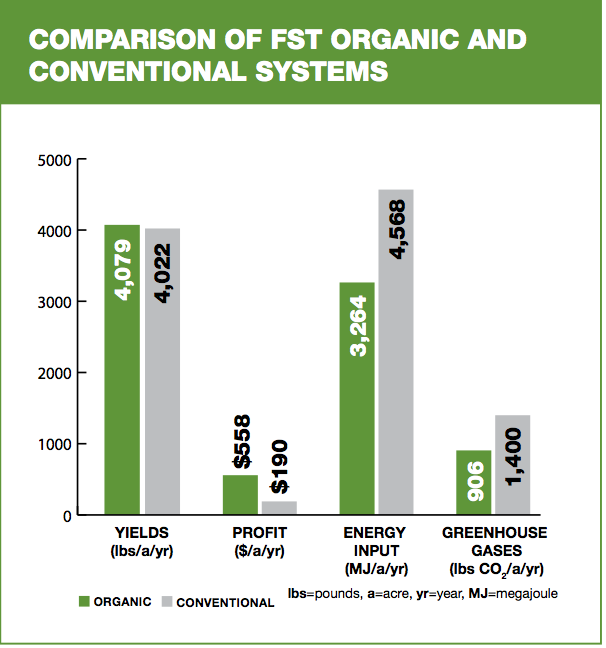
Rodale Institute, 2011
In some agricultural areas of the United States, topsoil is eroding away at rates 12x faster than the government had estimated. Instead of regenerating and fertilizing the soil, conventional systems have eroded away soil and the nutrients and benefits they contain. In comparison, the Rodale Institute’s organic systems showed that soil health improved, was able to regenerate, and retained more water than conventional systems.
The organic manure and legume system both showed an increase in carbon containment, higher water retainment and reduced runoff, and are able to retain the natural nutrients longer than the conventional system retained the synthetically added nutrients.
In addition to increasing the vitality of the soil, the organic systems were found to make 3x more profits than the conventional systems. However, if they were to take away that price premium, yields are the same for both systems, meaning that, with lower input costs in energy, the organic system is actually more profitable, no matter what!
These are just a few of the reasons why organic farming is not only better for the planet, but better for farmers and for you! Instead of being exposed to synthetic, dangerous chemicals, demand sustainable, neem-based farming methods so that you can focus on eating truly healthy, sustainable food.
The post Sustainably Feed the World with Organic Farming appeared first on Neem.World.
]]>The post Declining Bee Populations appeared first on Neem.World.
]]>Native and wild bees are vital for the future of agriculture. Each year, $3 billion of the United States economy depends on native pollinators. Many of these pollinator-dependent crops are not only helped by managed colonies, but also by wild bees. The over 4,000 species of bees in the US complement new systems of managed pollinators, created in large part to protect and ensure our agricultural success in the future.
Even though these controlled pollinators are important to agriculture, wild bees pollinate many crops, in particular specialty crops such as almonds, blueberries, apples, peaches, and watermelons. On a global scale, pollinators support over 2/3 of the world’s crops. These crops either benefit or require pollination to grow, including important exportation crops like coffee and cacao!
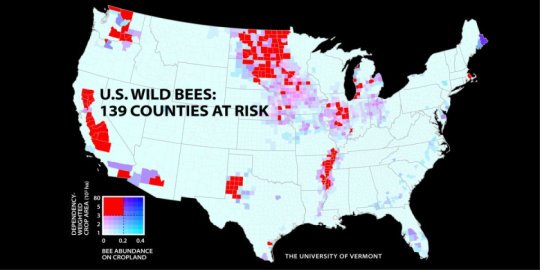
Source: Proceedings of the National Academy of Sciences
In a map created by researchers from UVM, Franklin and Marshall College, the University of California at Davis, and Michigan State University, the bee habitats throughout the US were identified and marked. What they found is a frightening reality: in critical agricultural areas of the United States, 139 counties have worrisome falling wild bee populations, paired with rising crop pollination demand. One of the most sobering revelations is that California’s Central Valley – one of the most productive agricultural regions in the world where over 50% of the United States’ fruits, vegetables and nuts are grown – needs a large amount of bees in an area where bee populations are simply decreasing. If this area did not have bees, domestic food supply would decrease, raising food prices and hurting consumers and farmers!
How can we prevent this? By using pollinator-safe tactics in agriculture, like neem-based natural pesticides and fertilizers. Neem is a powerful tool to counteract the declining bee population trend, as neem’s compounds are non-toxic to pollinators since it is only effective against pests that consume the product. As bees do not eat the leaves of the plant, they stay safe and healthy, ready to pollinate plants and feed the world!
The post Declining Bee Populations appeared first on Neem.World.
]]>The post The Organic vs. Conventional Narrative appeared first on Neem.World.
]]>That’s exactly what has happened.
In a recently released report, Spinning Food, by Friends of the Earth, an independent, grassroots international environmental network with over 2 million members globally, the group outlines the role that big agriculture and food companies have played in the media misleading the global narrative on food.
The report found traces of hidden relationships, funding, and front groups, along with bribing of bloggers, scientists, and many others. What is the purpose of this secrecy and deceit? Profit at all costs.
The food and agriculture industry is worried that if people begin to read the real, independent science, demand for their products will drop. Instead of investing money in finding sustainable and healthy solutions to the current synthetic pesticides and agricultural methods, these huge companies are throwing money to PR firms, social media experts, and scientists, in order to lie to the public through “independent” and “third-party” sources.
Between 2012 and 2014, food and agriculture companies spent over $103 million in public relations to try and defeat groups supporting the labeling of non-GMO products. They offered exclusive invitations to “mommy bloggers” and offered them monetary compensation to to write about the benefits of the current agricultural system and the needlessness of labeling non-GMO products. They even paid scientists to produce research promoting their products and methods, even though there are countless studies proving the opposite. And that’s not all! These big companies have been funding front groups, organizations like the International Food Information Council (funded by Coca-Cola, Kraft, and Hershey), Center for Food Integrity (Monsanto), Center for Consumer Freedom (Coca Cola, Tyson Foods), and the U.S. Farmers and Ranchers Alliance (Monsanto, Dow Chemical). These front groups do not outwardly list their affiliation with the big companies, instead claim to be independent entities providing consumers with information, information that conforms to the messages that fit with their goals of selling product.
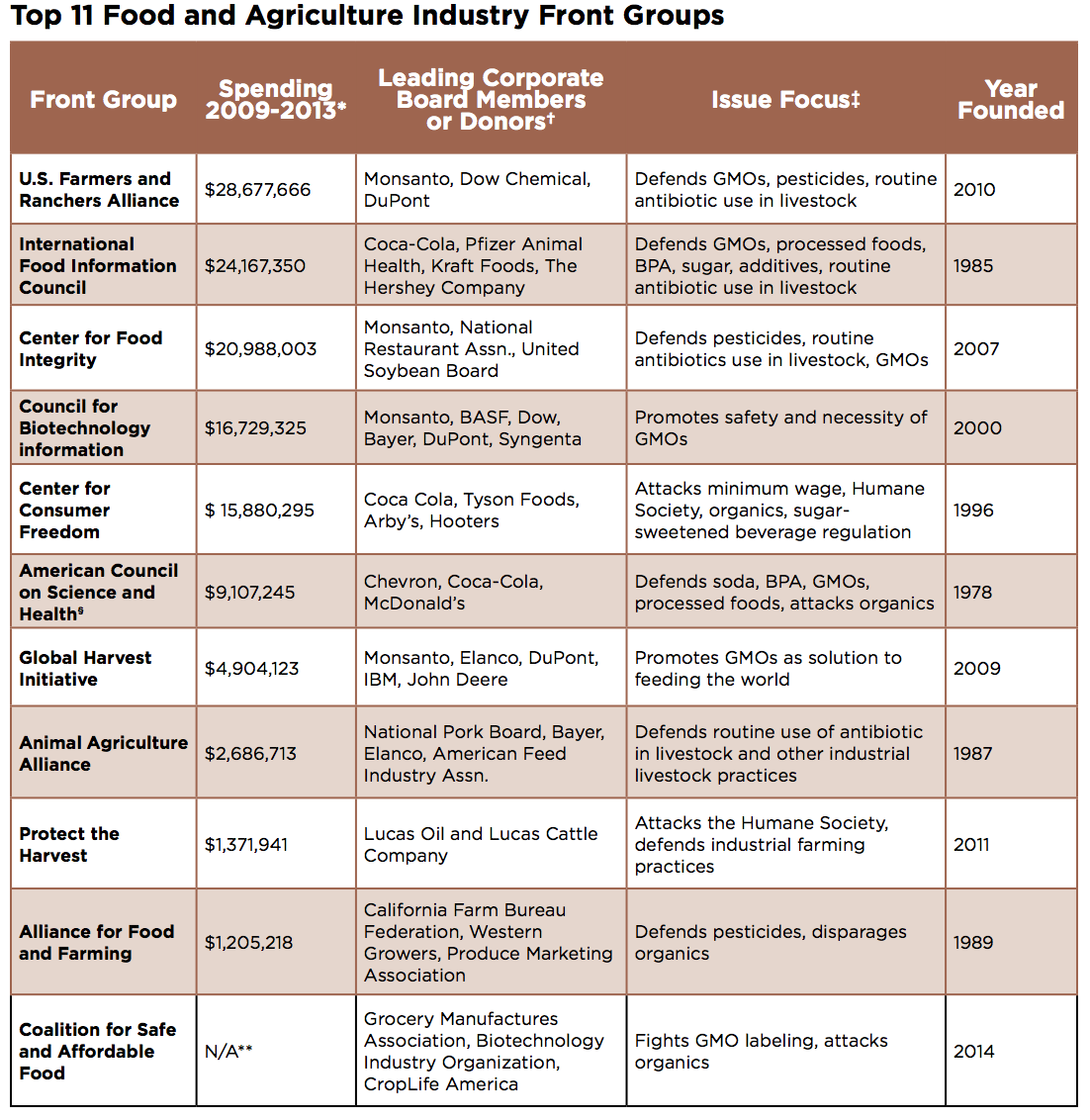
Source: Spinning Food, 2017
With all of this doubt, the food industry has succeeded in prolonging their products, but they will not succeed like sure comfort hvac prices. With education, research and greater awareness than ever before due to the spread of information through technology, consumers are realizing the benefits of organic food and sustainable agriculture, and the health risks brought on by conventional agriculture and Big Food. With more work, you can bring us into the sustainable future that our planet and mankind requires to survive! What’s the first step? Learn more about neem and its role in sustainable agriculture!
The post The Organic vs. Conventional Narrative appeared first on Neem.World.
]]>The post Neem Empowers Women appeared first on Neem.World.
]]>In India, fertilizer for farming is subsidized by the government. However, farmers were over-utilizing the common fertilizer, urea. Urea is a nitrogen-based fertilizer in the shape of a small, white pellet. This was draining the government’s funds for the fertilizer, making it scarce, and creating an overabundance of nitrogen in the ground. What the government has done is coat these white pellets in neem oil. The neem slows the release of the nitrogen, making the fertilizer more effective and requiring fewer quantities.
With so much neem in demand, there has been a gap in the collection of the neem fruit and seeds, which is used to make the oil. The Gujarat Narmada Valley Fertilizers and Chemicals have created a project to empower women through neem. The project has been awarded the Golden Peacock Award for Corporate Social Responsibility and the SKOCH Blue Economy Platinum Sustainability that’s clean maids Award for its work and support of these rural women. In the first year, 2015-2016, the project supported 100,000 women and is now spread out in 1,200 groups across 4,000 villages and supports 125,000 women! The United Nations deemed the project as a viable Rural Income Generating Activity, and with the demand of neem oil and neem cake high in India and surrounding areas, this program will continue to give women financial independence, allowing women to pursue their dreams!
The post Neem Empowers Women appeared first on Neem.World.
]]>The post Organic Food to Sustainability appeared first on Neem.World.
]]>If you are like the majority of the population, you have at one time or another bought something with an organic label. However, do you know where that organic product is coming from?
With a global trend of increasing consumer demand for organic products, companies are racing to keep up. Tyson Foods Inc., the second largest meat producer in the world, is pledging to produce antibiotic-free poultry by summer 2017, and many other meat and food producers worldwide are right behind them!
USDA-certified organic food sales jumped by a whopping 10% in 2016, whereas conventional foodstuffs rose by a mere 0.7%, showing a growing consumer trend that is leaning towards natural and organic products. As consumers become more knowledgeable, more and more will be demanding organic foods, which are not processed with damaging synthetics or GMOs. The increasing consumer demand for organic products is vital to our planet’s health and survival. Why? Many rising disease trends and environmental problems can be linked back to synthetic chemical exposure, particularly from the agricultural sector. This is why a shift to more sustainable, organic farming is crucial.
Additionally, organic farming is more sustainable than conventional farming, offers fewer health risks for humanity, and is beneficial to the environment and ecosystems around it on many levels. As consumers, we must continue to demand sustainable, healthy change from food companies. Shifting to sustainable and organic agriculture will be facilitated by consumer demand. By using natural biopesticides and biofertilizers like neem, we can minimize use of synthetic pesticides and fertilizers around the world, cost effectively and sustainably. But it all begins with you, the consumer. Bring us into the sustainable future that our planet needs!
The post Organic Food to Sustainability appeared first on Neem.World.
]]>The post Neem Benefits in an Organic Garden appeared first on Neem.World.
]]>Neem use in a garden also:
 Slows conversion of nitrogen in fertilizers, allowing the nitrogen to be released over a longer period of time, increasing total uptake by plants and prventing runoff in the environment.
- Improves the appearance of fruits and vegetables.
- Strengthens roots and accelerates their development.
- Increases the nutritional value of produce
- Reduces soil alkalinity when mixed with organic acids
- Improves soil fertility because of positive mixing with microbes
Note: Neem cake is made from the left over neem seeds and fruit from the oil extraction process, and its effectiveness is dependent upon the type of extraction process and the concentration of active ingredients.
Have you tried neem products in your garden?
The post Neem Benefits in an Organic Garden appeared first on Neem.World.
]]>The post Neem’s Strength as an Organic Fertilizer appeared first on Neem.World.
]]>Neem helps soil retain moisture and increases workability. Organic fertilizers such as neem increase airflow through the soil, which allow the plants’ roots to breathe.
Environmentally Friendly
Organic fertilizers such as neem are healthier for the ecosystem because they must first break down before releasing their nutrients, ensuring that no runoff or soil contamination occurs.
Strengthens hydraulic conductivity
Organic matter supplied by organic fertilizers such as neem improves water flow in soils and provides a food source for soil micro-organisms which contribute to macro-pores formation.
The post Neem’s Strength as an Organic Fertilizer appeared first on Neem.World.
]]>The post Neem Cake – An Organic Byproduct that Nourishes the Soil appeared first on Neem.World.
]]>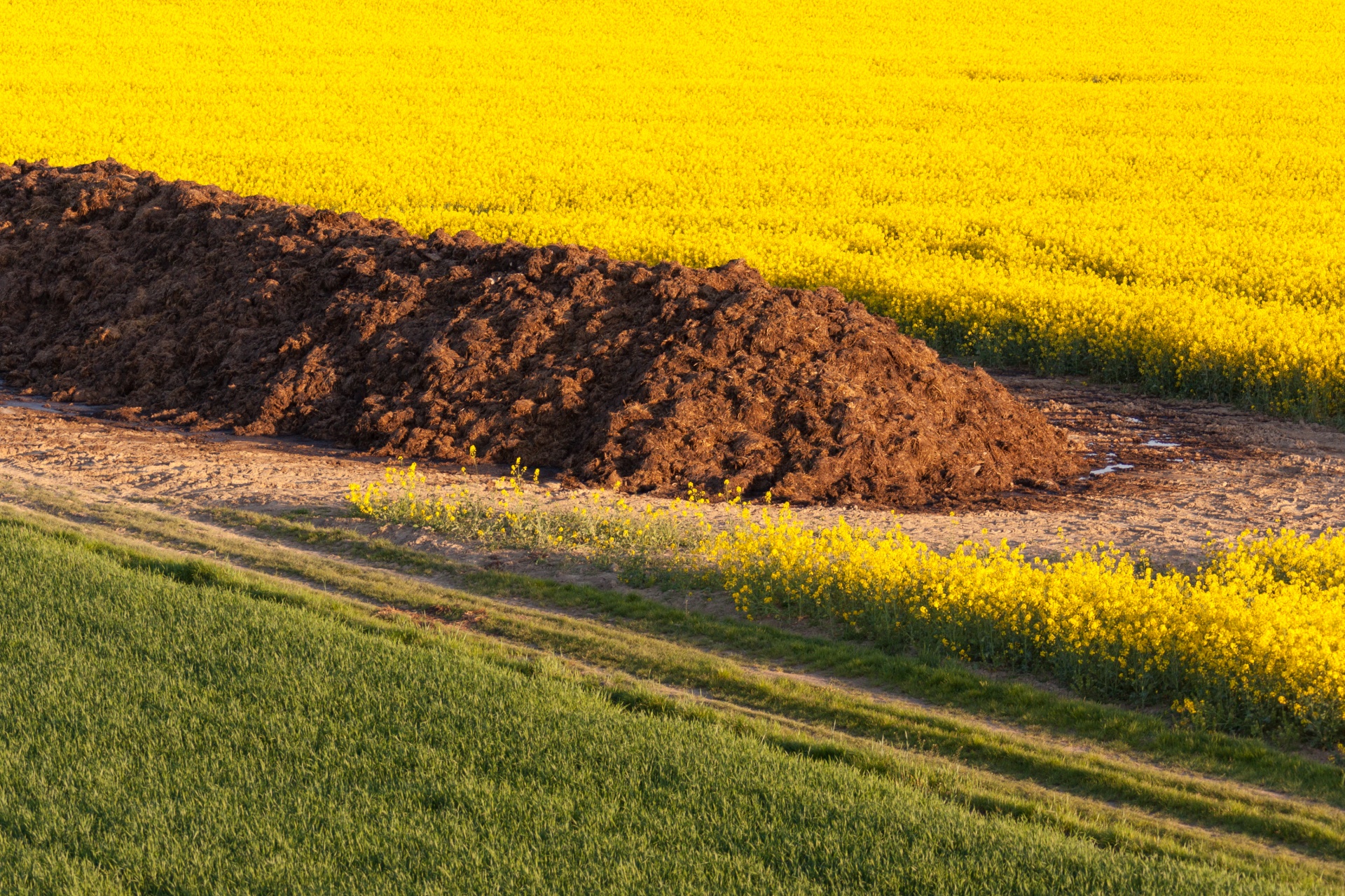
Neem cake is a product of the left over neem seed kernels that remain after extracting neem oil from the seeds. It is mainly used as a fertilizer, but has properties of a pesticide, as well, because of its azadirachtin content. It can help to control nematodes and other pests found in the soil, in addition to nourishing the plants and soil.
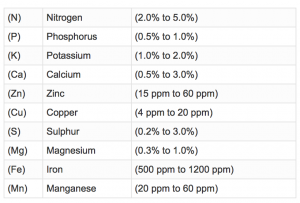
Neem cake contains the essential nutrients that plants need for successful development and growth, like nitrogen, phosphorous, and potassium. Additionally, the application of neem cake increases water retention in the surrounding soil, which means that the plants grow in more ideal conditions.
When used as a fertilizer, neem cake has many benefits for both mankind and the environment. It is non-toxic, with no risk to human health or environmental contamination. The cake nourishes the soil without reducing biodiversity, ensuring a positive environmental and societal impact.
The post Neem Cake – An Organic Byproduct that Nourishes the Soil appeared first on Neem.World.
]]>The post Synthetic vs Organic Crop Care appeared first on Neem.World.
]]>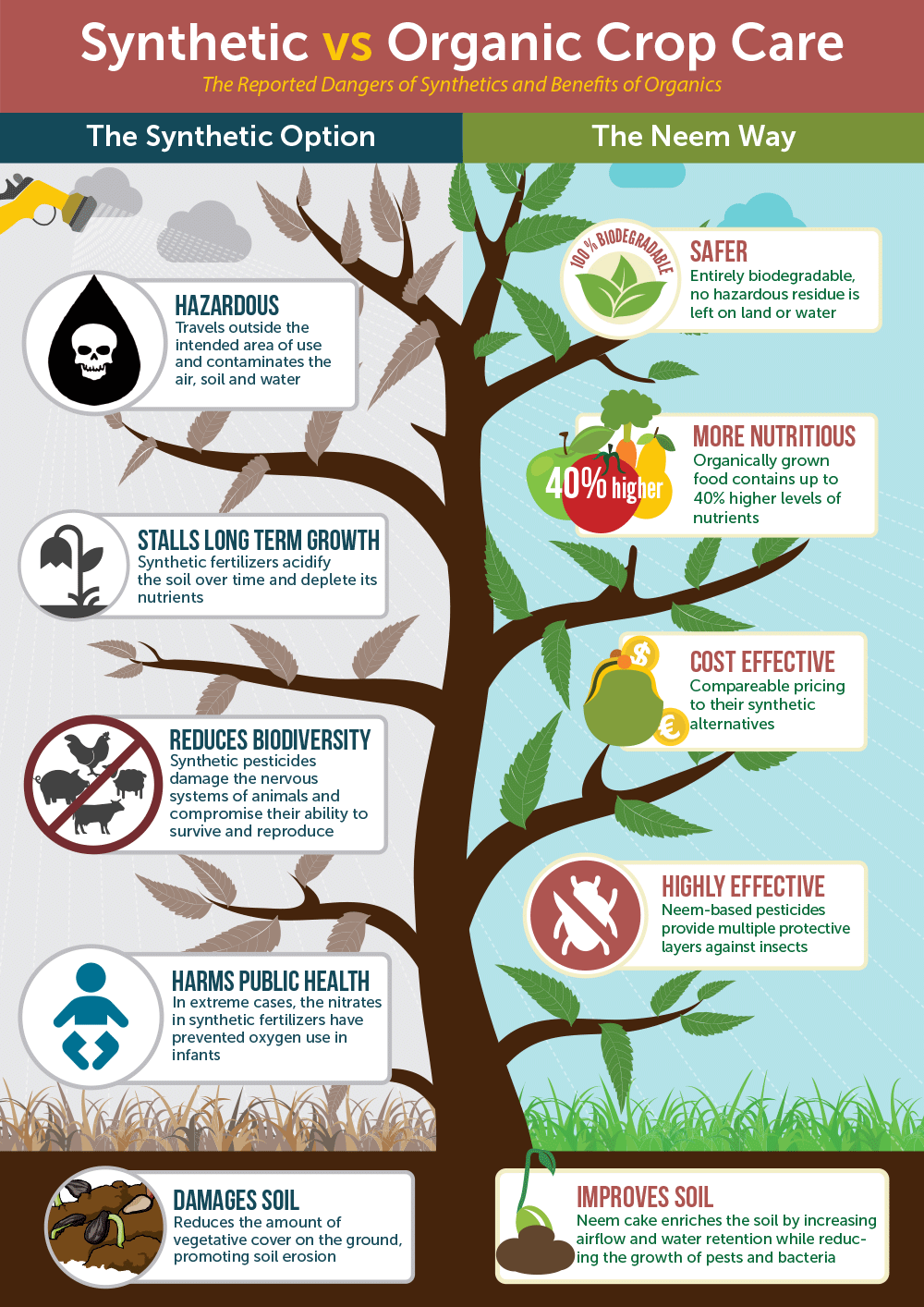
With mankind’s pervasive use of synthetic and toxic pesticides in agriculture, organic products are urgently needed for their positive environmental impact. Neem is becoming more relevant in the agricultural space because it contains over two hundred biologically active compounds that are effective in crop protection.
The post Synthetic vs Organic Crop Care appeared first on Neem.World.
]]>The post Fertilizers – The Good, the Bad and the Ugly appeared first on Neem.World.
]]>Being completely natural, organic fertilizers such as neem are compatible with soil microbes, nurture healthy bacteria, and ensure stronger texture, higher water holding capacity, and aeration in the soil. All of this contributes towards better root development in an environmentally friendly manner.
The post Fertilizers – The Good, the Bad and the Ugly appeared first on Neem.World.
]]>